

Declaring product value
Customs use product value to assess duties and taxes. Find out how to state it clearly on the paperwork and ensure it's correct.
What is the declared value?
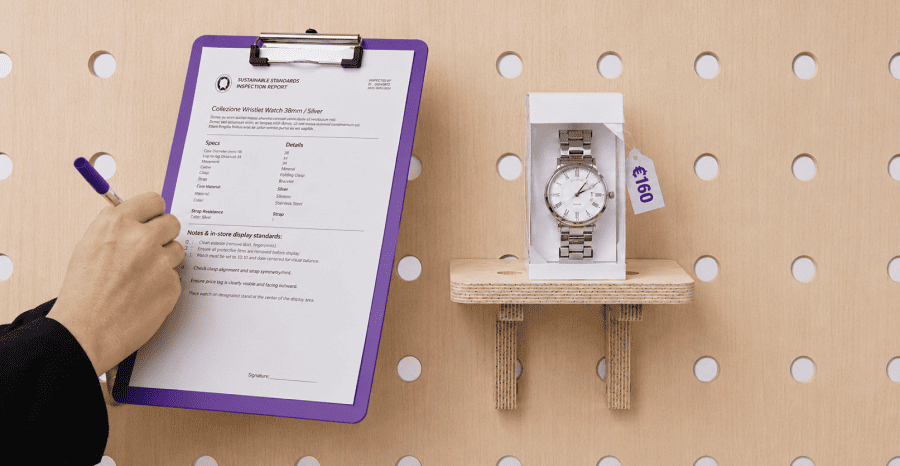
It’s the transaction value. This is usually the amount paid for the items being imported. Say you’re shipping two watches each valued at $160,00, the value would be $320,00.
What's the difference between commercial value, wholesale value and cost price?
| Commercial or retail value | Wholesale value | Cost price |
|---|---|---|
| It is the price an end buyer pays for a product. With B2C shipments, it'll also usually be the declared value. | It is the price paid for a single item when purchasing in bulk. It's also what it would cost the seller to replace a damaged or lost product. The value is also sometimes used for insurance purposes. When products have been purchased for a wholesale price, it will also be their declared value. | It is how much it costs the producer to make the item. If customs don't think the declared value is correct and have no other way to asses it, they will use the cost price to calculate the product's value and duties. |
Which value should I declare on my commercial invoice?
You should always declare the actual price paid and be prepared to provide customs authorities with proof of transaction.
What is the value used for?
Customs use it to clear your goods and determine the duties and taxes.
Where do I state it?
On the commercial invoice – and bear in mind inaccurate values are the most common reasons for customs fines, so make sure it’s correct.
What other details do I need to provide?
As well as an accurate value, your commercial invoice should include an HS code and a detailed description of your shipment.
Depending on the Incoterms® you selected, you may also need to show the freight and insurance costs as these are included in the valuation of your goods.
How do customs asses the value?
To determine the value of imported goods, the customs valuation procedure is applied.
Most customs authorities apply rules from the World Trade Organisation, otherwise known as the WTO. You can get more information on the six methods they use on their website.
What happens if I provide an inaccurate value?
Undervaluation of goods is taken very seriously by the authorities and can result in a fine or your goods being seized.
And if the customs authorities question the value you’ve provided, they may ask the receiver to provide proof of sale. So to avoid this delay, your carrier or broker will ask you for evidence of sales such as a contract or bank payment.



Make sure to check the rules and regulations of the country you're shipping from and prior to shipping. You can find this information on government websites.
Start shipping with FedEx
Take advantage of great savings and get your shipments moving.