
Small Business, Big Impact: Building A Sustainable Supply Chain
By Kawal Preet | First published: November 24, 2021 Updated: May 27, 2026
Building a sustainable supply chain can help SMEs reduce waste and meet changing customer expectations. Practical measures such as sustainable packaging and reverse logistics can make your operations more environmentally responsible – without slowing growth.
- SMEs urgently need to adopt more sustainable business practices to reduce waste, lower emissions, and support long-term growth.
- Smarter route planning, electric delivery vehicles, and sustainable last-mile delivery solutions can help lower transportation emissions while improving delivery efficiency.
- At the same time, reverse logistics and sustainable packaging solutions enable businesses to extend product lifecycles and strengthen their sustainability credentials.
Our world is getting warmer by the day. The past 11 years, from 2015 to 2025, have been the hottest on record. The Earth is getting dangerously close to a 1.5°C rise in global average temperature, at which point the effects of climate change could become irreversible.
With the climate emergency reaching a tipping point, governments and businesses worldwide are working together to curb emissions and transition to a low-carbon economy. Companies of all sizes, including SMEs, are greening their operations and building more sustainable supply chains that reduce environmental impact while meeting customer expectations.
Consumers today care deeply about whether a brand’s supply chain is sustainable. Despite ongoing cost-of-living pressures, up to 80% of consumers are willing to pay a sustainability premium – up to 9.7% more, on average – as they experience the disruptive effects of climate change firsthand.
A typical consumer brand’s supply chain can have a significant environmental impact, with Scope 3 emissions accounting for an average of 75% of total emissions across sectors. Today, B2C companies are becoming acutely aware of their supply chain’s climate cost, and are taking greater steps to monitor and reduce their carbon footprint.
As SMEs advance on their sustainability journeys, they will need to focus on the environmental performance of upstream suppliers such as component manufacturers, as well as downstream partners, including logistics providers. While logistics is the backbone of the global economy, the industry also accounts for up to 11% of global greenhouse gas emissions.
Thankfully, the increasing availability of advanced digital solutions is making it easier for SMEs with limited resources to adopt more sustainable supply chain practices. Let’s look at five strategies that small businesses can implement.
1. Build transparent supply chains with AI, IoT, and blockchain
As technologies such as artificial intelligence (AI), the Internet of Things (IoT), and blockchain become more pervasive, SMEs can now employ cost-effective Industry 5.0 solutions to build supply chains with a level of transparency that was previously out of reach. While Industry 4.0 focused on efficiency and automation, Industry 5.0 places greater emphasis on human-machine collaboration and sustainability.
Think of IoT as the “eyes” that improve visibility across your supply chain. Environmental sensors, GPS trackers, and RFID tags act as physical data anchors that allow businesses to monitor the exact location and condition of goods throughout the supply chain.
Next, AI acts as the “brain” that processes this data and turns it into actionable insights, helping you enhance efficiency and manage risk. Finally, blockchain serves as the “long-term memory” that maintains a tamper-resistant record of data collected from IoT devices and AI-powered systems. While the initial hype around blockchain has faded, the technology has established an important role in sustainable supply chain management.
For instance, companies now use blockchain to verify the authenticity of ethically sourced products. As blockchain records are shared across authorized participants, any attempt to alter supply chain data can be easily identified.
This gives customers the confidence that information has not been tampered with. Blockchain can serve as the single source of truth for a product’s journey, from the sourcing of raw materials to its placement on retail shelves. Companies like Louis Vuitton and Unilever use blockchain technology to track everything from luxury goods to palm oil.
Having this level of end-to-end transparency enables businesses to monitor suppliers’ sustainability performance by providing visibility into factors such as fair trade practices, animal welfare standards, and other attributes that may be important to eco-conscious consumers. This also helps demonstrate the brand’s sustainability credentials to customers and other stakeholders.
2. Rethink last-mile delivery to lower costs and emissions
Finding the most efficient distribution routes and transportation modes can significantly reduce costs and carbon emissions. SMEs should work with logistics providers that use advanced route-planning software to optimize first- and last-mile delivery.
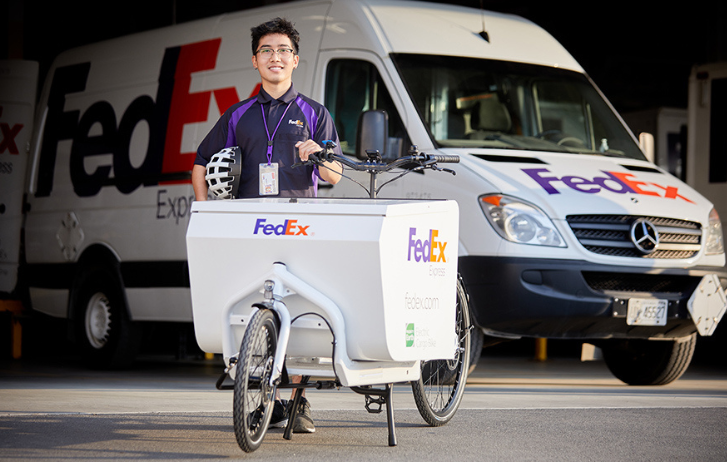
Beyond route optimization, companies can also manage road transportation costs and traffic congestion in cities by reducing package weight and adopting electric delivery vehicles – or even autonomous delivery vehicles – especially for last-mile deliveries of small packages to end customers.
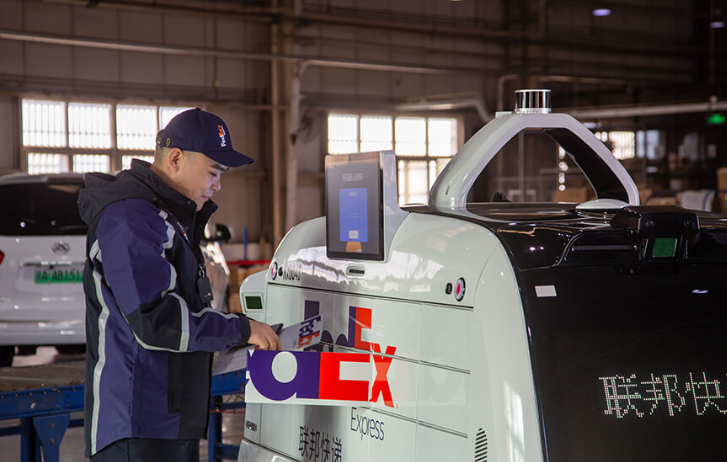
At FedEx, for example, we’re exploring how autonomous and AI-enabled delivery solutions can best support our operations. In China, we collaborated with Neolix to pilot a driverless vehicle for short-distance delivery routes. In Singapore, we partnered with QuikBot Technologies to introduce agentic AI-powered delivery robots designed for dense urban environments.
We’re also increasing our efforts to electrify our delivery fleet of more than 200,000 motorized vehicles. As part of a phased approach, we are aiming for 100% of new pickup and delivery vehicle purchases to be electric by 2030.
3. Embrace reverse logistics strategies
SMEs should implement reverse supply chains that support the concept of “reduce, reuse, recycle”. By embracing reverse logistics strategies – including returns management, product repair and refurbishment, recycling of goods and materials, and proper disposal of materials from unwanted goods – companies can build a more sustainable supply chain while cutting costs and extending product lifecycles.
Apple is a strong example. The brand has established a robust reverse logistics framework that encourages customers to trade in their old devices for a discount on new products. Each returned device is sent back to a factory to be disassembled and recycled, extending the product’s lifecycle as part of new devices.
To maximize the benefits of reverse logistics, products should be designed, assembled, labeled, and packaged with circularity in mind.
4. Explore sustainable packaging
For many SMEs, spikes in e-commerce sales during shopping festivals and the year-end holiday season lead to higher-than-normal package volumes moving through global supply chains. This surge in deliveries requires copious amounts of single-use packaging, from bubble wrap to poly mailers.
While this packaging helps secure and protect goods in transit, much of it is discarded after customers open their parcels. China’s e-commerce market – widely considered the world’s largest – handled 132 billion express deliveries in 2023, generating 16.11 million tons of packaging waste.
Shoppers are increasingly looking for brands that use eco-friendly packaging, with 86% of consumers in Asia Pacific (APAC) saying sustainable packaging is important to them. SMEs can respond by choosing right-sized, reusable, and recyclable packaging that helps reduce waste while protecting shipments in transit.
At FedEx, our branded packaging is made from 100% recyclable materials and composed of 41% recycled content. We also supply customers with reusable packaging options designed to protect shipments through multiple uses.

5. Work with providers on sustainable supply chain practices
The strategies outlined above can help small businesses build greener supply chains. In addition, SMEs can accelerate their sustainability efforts by engaging suppliers and vendors that demonstrate strong environmental practices. This may cost more than working with traditional suppliers, but the long-term benefits can outweigh the initial investment.
Working with a logistics provider that is committed to carbon-neutrality can also support broader sustainability goals. At FedEx, for example, we’ve set a goal to achieve carbon-neutral operations globally by 2040. To support this, we’re investing around USD 2 billion in three key areas that matter most to our operations: vehicle electrification, sustainable energy, and carbon sequestration.
Beyond green logistics and sustainable packaging, we also offer digital tools such as FedEx Sustainability Insights, which helps businesses track their shipping emissions and better understand their carbon footprint. By working with FedEx, SMEs can take practical steps toward more sustainable operations while continuing to move goods efficiently across borders.
Working with sustainability-focused partners will go a long way in helping SMEs reduce their environmental impact, ultimately contributing to long-term business growth.
SHARE THIS STORY


Trending Topics
Most Popular
- How To Ship A Giant Panda
- Where Do Old Planes Go When They Retire?
- What’s So Dangerous About Coconuts? Your Guide To Dangerous Goods Logistics
- 85% Of APAC Businesses Plan To Expand Into Europe, According To New FedEx Report
- The Rise Of Intra-Asia Trade: Opportunities In The China-Southeast Asia Corridor
- Generative AI: A New Frontier

Sign up now and save on your shipping rates!
Sign up now and earn discounts by shipping instantly with FedEx Ship ManagerTM at fedex.com.
Recommended For You

How To Make Facilities More Sustainable In Asia Pacific
We’re continually looking at ways to make our operations more sustainable.
Read More
Building Resilient And Sustainable Supply Chains For A Greener Future
Sustainable supply chains help businesses stay resilient and competitive. Learn how FedEx drives efficiency, innovation, and carbon-neutral logistics.
Read More
Why Sustainability Is Now A Business Advantage
Sustainability goes beyond compliance. Here’s how it can unlock new opportunities, boost supply chain efficiency, and support your long-term growth.
Read More