
How A Chinese E-Commerce Exporter Cut Shipping Costs By 40% Amid Rising Tariffs
By FedEx | December 23, 2025
Is your e-commerce business feeling the heat from tariff changes and global uncertainty? A strategic approach to cross-border logistics can help you manage costs and keep delivery times on track. Here’s how one Chinese exporter is staying competitive.
- Tariff changes are driving up costs, causing shipping delays, and affecting the profitability of many cross-border e-commerce businesses.
- For a Chinese e-commerce exporter, recent US tariff updates caused production costs to increase by over 20%.
- With tailored logistics support from FedEx, including smart customs tools and a dual-model shipping solution, the exporter reduced shipping costs by 40% and increased export volume by 20%.
From appliances to apparel, “Made in China” products are winning hearts all over the world. Did you know that China exports 80% of the world’s home air conditioners and nearly 64% of footwear globally? Chinese businesses are fueling the global e-commerce boom, and those with cross-border ambitions will find a world of growth opportunities.
However, a new challenge has emerged for Chinese e-commerce exporters: managing tariffs. Since April 2025, changes in US tariff policies have begun to impact e-commerce exports to the US. Rising tariffs don’t only translate to higher customs duties. They can also delay delivery timelines, disrupt supply chain planning, and lower business competitiveness.
In this climate, smarter logistics strategies for e-commerce are no longer optional – they’re essential. With reliable logistics support and innovative distribution models, you can reduce tariff-related costs and streamline customs processes. Here’s how one Chinese leather goods retailer is staying agile with FedEx’s cross-border e-commerce logistics solutions.
As tariffs rise, how can businesses protect their bottom line?
Tariff hikes usually leave e-commerce firms with two options: absorb the extra costs or pass them on to customers. Both paths can strain profit margins and undermine competitiveness.
In addition to higher logistics costs, tariff changes may create shipping delays that frustrate customers and make repeat sales harder to secure. To maintain healthy profit margins without raising your prices, it’s important to optimize every link in the supply chain – from customs clearance to expedited shipments.

Like many Chinese e-commerce exporters to the US, a Qingdao-based manufacturer has had to rethink how to stay competitive amidst tariff increases.
This Chinese manufacturer produces premium leather goods, such as purses and bags, which it then sells around the world – including on US fashion platforms. Each day, the exporter ships between 200 and 500 parcels overseas.
When the US announced tariff changes in April 2025, the company’s production costs soared by over 20%. But rather than raising prices in response, the exporter chose to sharpen its competitive edge by effectively managing logistics costs. As a trusted logistics provider for the exporter, FedEx stepped up to deliver cross-border logistics solutions tailored to the manufacturer’s needs.

Reducing cost and complexity with smart customs tools
Submitting separate customs declarations for different parts of a shipment can be a cost-saving logistics strategy in e-commerce. This minimizes tariff costs by calculating duties separately for components of different origins.
However, this strategy also creates complexity. A single shipment may require dozens of highly granular declaration line items, demanding tedious and time-consuming paperwork.
For the exporter, FedEx implemented various strategies to lower tariffs and speed up customs processing. One time-saving tool we’ve developed is a cross-reference file of all product names and codes that integrates information on MID numbers, descriptions, and HTS codes for every item.
It helps importers create specific item descriptions for US-bound shipments and to select matching HS codes efficiently and accurately. This solution has enabled the exporter to quickly generate error-free declarations and get clearance times back to normal.
Another innovation that has made a difference is FedEx’s Convenient Export Clearance (CEC) solution. The CEC allows Chinese exporters to consolidate multiple packages (shipped on the same day to different recipients) into a single export declaration for China Customs and declare them separately in the US or Canada.
This approach saves time, reduces the workload for operations teams, and streamlines the process for declaring export tax rebates.
Using a flexible distribution model to reduce shipping time and costs
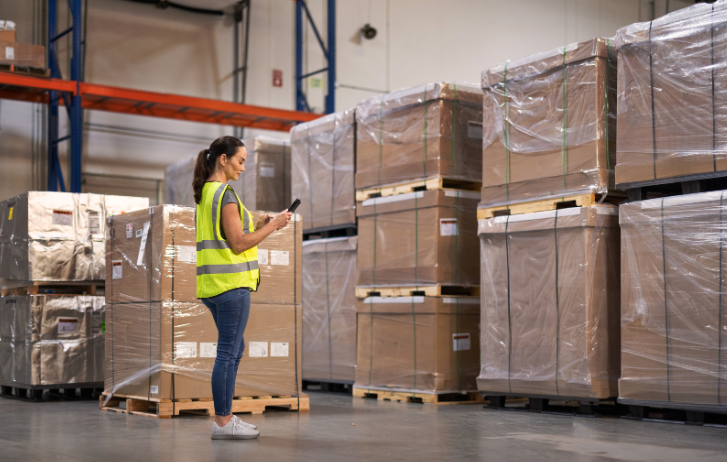
For cross-border e-commerce exporters, an efficient distribution model is essential to strategic logistics. By rethinking how you ship, you can lower costs and improve delivery times.
Rather than sending each order directly via expedited international delivery, exporters can consider shipping non-urgent inventory in bulk to a warehouse in the destination market. This will significantly reduce per-unit shipping costs.
After shipping inventory to a local warehouse, you can leverage domestic last-mile delivery services to fulfill orders more efficiently. This approach lowers overall transportation costs, speeds up delivery times, and enhances customer satisfaction.
For the exporter, this logistics strategy has delivered significant results. FedEx tailored a dual-model solution based on the firm’s business needs, combining the International Priority (IP) service for consolidated shipments with FedEx International Connect Plus (FICP). By sending non-urgent shipments to a US warehouse and then distributing them domestically, the exporter was able to lower shipping costs by 40%.
As FedEx continues to enhance its cross-border logistics solutions in Qingdao, e-commerce firms like the exporter can benefit from faster connectivity to global markets. In 2024, for instance, we launched our first international cargo flight from Qingdao to the US, enabling next-day delivery for select exports.
Turning tariff challenges into a strategic advantage
By adopting strategic logistics solutions, the exporter has not only succeeded in managing cost pressures from tariff increases – it has also paved the way for stronger international growth. After implementing FedEx’s solutions, the company recorded a 20% surge in export volume in June alone.
While changes in tariff policies create uncertainty for e-commerce businesses, adopting the right logistics strategies can help protect margins and sustain competitiveness in this evolving landscape.
***
Need help navigating cross-border e-commerce challenges? Get in touch with us here for customized logistics support.
SHARE THIS STORY



Trending Topics
Most Popular
- 85% Of APAC Businesses Plan To Expand Into Europe, According To New FedEx Report
- Generative AI: A New Frontier
- How To Ship A Giant Panda
- The Rise Of Intra-Asia Trade: Opportunities In The China-Southeast Asia Corridor
- Where Do Old Planes Go When They Retire?
- What’s So Dangerous About Coconuts? Your Guide To Dangerous Goods Logistics

Sign up now and save on your shipping rates!
Sign up now and earn discounts by shipping instantly with FedEx Ship ManagerTM at fedex.com.
Recommended For You

How To Succeed In Cross-Border Commerce With Timely Delivery
Timing matters. For businesses and e-commerce players to thrive cross-border, global time-definite delivery is crucial.
Read More
Global Trade In Flux: How APAC SMEs Can Turn Uncertainty Into Opportunity
Learn how SMEs can adapt to global trade policy changes and stay competitive amid shifting regulations across Asia Pacific in 2025.
Read More
85% Of APAC Businesses Plan To Expand Into Europe, According To New FedEx Report
Download FedEx’s new Asia-Europe Trade Report to uncover the latest market trends and opportunities shaping cross-border growth.
Read More