
When Tradition Meets Technology: How Japanese Craft Is Finding New Audiences Online
By Kei Alan Kubota | First published: May 13, 2022 Updated: March 13, 2026
Traditional Japanese arts and crafts have fascinated the world for centuries. Today, a new generation of artisans is revitalizing the industry by blending time-honored craftsmanship with modern business models.
- Historically, Japanese craft products played a crucial role in everyday life, but gradually fell out of favor as mass production became widespread.
- With local demand declining, Japanese artisans are leveraging cross-border e-commerce to reach new markets and drive growth.
- By adapting to changing consumer needs and collaborating with logistics providers, SMEs are successfully building global brands through e-commerce.
For over four centuries, artisans in the Japanese city of Kanazawa have refined the art of beating gold into feather-light sheets. One of Japan’s officially designated traditional crafts, Kanazawa gold leaf is just 1/10,000 of a millimeter thick – so delicate that a single touch can tear it, yet strong enough to gild historic architecture such as temples. It can take 10 years of practice – and countless failures – for an artisan to master the art.
Alongside these traditional techniques, today’s master crafters are also honing new skills to keep pace in a globally and digitally connected world. As made-in-Japan products gain fans around the world, many artisans are leveraging cross-border e-commerce to reach new customers and grow their businesses.
Take the example of Kanazawa gold leaf. The precious material is now widely exported to South Korea, Taiwan, and Europe, with applications ranging from fashion to food decoration and even cosmetics. This transformation is by no means unique: as consumer habits shift, many Japanese craft businesses are adapting and reinventing themselves for global e-commerce success.
Japanese traditional crafts: Preserving the spirit of excellence
Around the world, Japanese craftsmanship has become a byword for excellence. Japan’s steadfast dedication to quality and artistic integrity has given rise to iconic craft traditions such as washi paper, kintsugi, and lacquerware. Today, Japan’s 47 prefectures are home to 243 nationally designated traditional crafts.
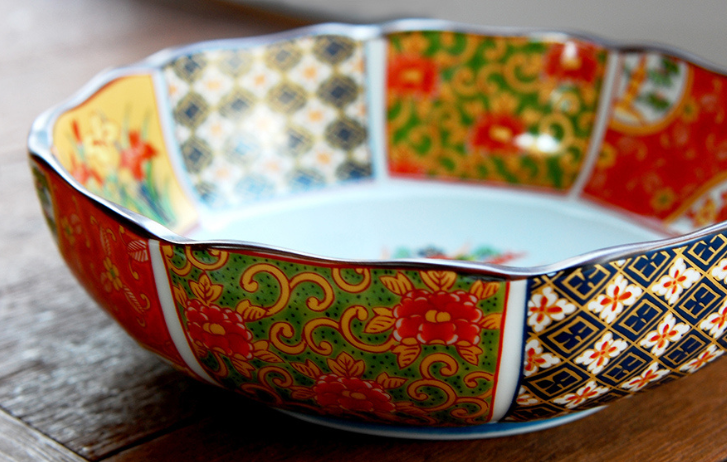
Crafts must meet five criteria to receive this official designation. Namely, they must be used in daily life, primarily produced by hand, and created with traditional materials and methods that have been used for over 100 years. In addition, manufacturers must be located in a specific region and produce at a sufficient scale for their craft to be recognized as a local industry.
These criteria highlight the historic importance of Japanese craft in everyday life. More than ornamental relics, these artisanal products have been used and passed down over generations. From pottery to bamboo ware, the artisans’ careful workmanship and attention to detail have produced items that are built to last.
As lifestyles change, the role of craft has evolved
The role of traditional crafts began to change after World War II as Japan rapidly urbanized and modernized. Technological innovation enabled the mass production of industrial goods, which were often cheaper, more convenient, and easier to maintain.
Demand for traditional crafts declined as local consumers stopped viewing them as items of daily use. Instead, they were largely purchased as travel souvenirs or gifts.
This shift in buying habits affected the livelihoods of Japanese craftsmen and the industry as a whole. In 1990, the production value of traditional crafts exceeded JPY 500 billion (USD 4.5 billion); and by 2015, this value had dropped to one-fifth. Over the same period, the number of traditional craft businesses also halved to just 1,300.
Reimagining Japanese arts and crafts for the modern world
Despite this decline, Japan’s rich craft heritage is far from fading. A new generation of artisans is rewriting perceptions of traditional crafts and revitalizing their businesses with innovative ideas.
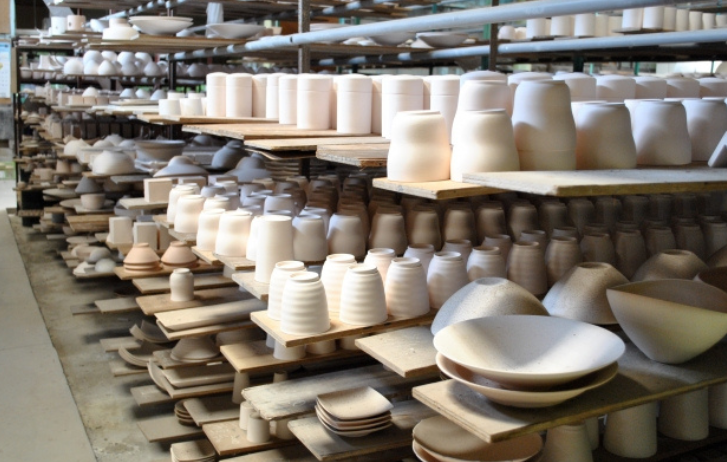
One example is the renaissance of Arita-yaki, a 17th-century porcelain prized for its lightness and strength. Traditionally made in Saga Prefecture, Arita’s potters suffered a sharp drop in profits or went out of business altogether during Japan’s 1990s financial crisis. In the 2000s, Arita-yaki makers started to produce more contemporary designs to stay relevant in a changing era.
For instance, rather than producing the smaller plates traditionally used in Japanese cuisine, business owners adapted to Western styles of dining by crafting large sharing dishes. This helped them target a younger generation of design-savvy customers in Japan and overseas.
They also explored partnerships with global brands, creating Arita-yaki bottles for French perfume makers and designing porcelain tableware for luxury hotels and Michelin-star restaurants. Additionally, they showcased their work at international design exhibitions such as the Milan Furniture Fair.
These efforts have brought Arita porcelain global attention. By preserving the techniques that make Arita-yaki unique while modernizing its designs, the traditional craft has resonated with discerning consumers both in Japan and abroad.
Cross-border e-commerce is opening new markets for Japanese crafts
As global consumers’ appetite for Japanese crafts grows, artisans are leveraging cross-border e-commerce – including online shopping malls and marketplaces – to reach international customers more easily. At the same time, SMEs can rely on cross-border logistics solutions to ship even their most fragile creations safely and efficiently around the world.
Musashi Japan is a prime example of a brand using e-commerce to bring Japanese artisanal products to new markets. The Japanese SME partners with dozens of local knife makers to blend cultural heritage with modern innovation.
By experimenting with unconventional design features like gold-engraved blades, Musashi is making traditional knives more appealing to younger and international audiences. With some knives on its online store selling for up to JPY 3,000,000, the SME works closely with FedEx to optimize its logistics operations and ensure that its high-value products reach worldwide customers safely.

Exporting Japanese crafts in a connected world
Today, global demand for made-in-Japan exports shows no sign of slowing. Whether it’s traditionally glazed ceramic tiles or colorful lacquerware, appreciation for Japan’s rich craft traditions is set to grow. In fact, the nation’s handicrafts market is projected to expand at a compound annual growth rate of 9.76% from 2026 to 2034.
It’s an exciting time for Japanese SMEs to explore global expansion. Through e-commerce solutions and collaborating with logistics providers, artisans can turn consumer interest into sustainable business growth. For those who can adapt and innovate, a new chapter in the story of Japanese craft is just beginning.
SHARE THIS STORY



Trending Topics
Most Popular
- 85% Of APAC Businesses Plan To Expand Into Europe, According To New FedEx Report
- Generative AI: A New Frontier
- How To Ship A Giant Panda
- The Rise Of Intra-Asia Trade: Opportunities In The China-Southeast Asia Corridor
- Where Do Old Planes Go When They Retire?
- What’s So Dangerous About Coconuts? Your Guide To Dangerous Goods Logistics

Sign up now and save on your shipping rates!
Sign up now and earn discounts by shipping instantly with FedEx Ship ManagerTM at fedex.com.
Recommended For You

The Online Mall Bringing Japanese Brands To The World
An e-commerce platform curating Japanese products and souvenirs is experiencing a surge in cross-border sales as interest in Japanese brands grows.
Read More
How Japanese Stationery Is Winning Over The World
High-quality Japanese stationery is winning global fans. Discover how innovative products, inbound tourism, and e-commerce are driving growth.
Read More
Matcha, Miso And More: How The World Fell In Love With Japanese Products
From matcha to miso, Japan's food producers are combining agricultural innovation with new export strategies to reach a growing global consumer base.
Read More