
Supply Chain 5.0: Why Sustainability Is Now A Business Priority
By Kawal Preet | First published: May 6, 2024 Updated: April 22, 2026
As climate risks, reporting requirements, and customer expectations mount, building a sustainable supply chain is becoming a bigger business priority. Here are the critical trends driving that shift.
- Business leaders must respond to growing climate risks, sustainability regulations, and customer expectations by building more sustainable supply chains.
- For better visibility across their operations, companies can tap smart logistics and digital supply chain tools to support reporting and emissions tracking.
- Fit-for-purpose shipping, fleet electrification, and more flexible transport choices are shaping the next phase of green logistics.
How do you create a shock-proof supply chain? Robust transport links, just-in-case inventory, contingencies for global disruption, and supplier diversification are all critical factors. But one emerging priority is sustainability – and exactly how businesses comply will be crucial.
De-risking is not just about geographical location. SMEs must also adapt to evolving sustainability regulations and prepare for future climate events that could affect their operations.
The World Economic Forum’s Global Risks Report 2026 reveals that while geoeconomic confrontation and state-based armed conflict dominate the current risk landscape, environmental factors – including extreme weather events – are among the greatest risks of the next decade.
Following the first edition of our Supply Chain Transformation series, we’re exploring how diversifying and rethinking supply chains can help SMEs mitigate risk and manifest growth. Here are some key trends to help businesses of every size create a more sustainable supply chain.
1. Consumer concerns for accountable, traceable business practices are on the rise
At FedEx, we’ve observed that customers and consumers alike increasingly focus on where items are sourced, and whether they are transported and delivered sustainably.

Our latest survey shows that across Asia Pacific (APAC), 84% of consumers are pushing businesses to develop eco-friendly online shopping options. Environmental responsibility now factors into purchasing decisions: 81% prefer companies that appear to operate more sustainably over competitors that offer similar products, but lack visible sustainable practices.
Our study also shows that while product integrity and competitive pricing still matter, nearly four in 10 APAC shoppers are willing to pay a premium for sustainable packaging. In response to this consumer demand, we have introduced the FedEx Reusable Pak – a recyclable and reusable packaging solution made from an average of 13% recycled content.
As more customers scrutinize the environmental impact of the brands they support, SMEs need to communicate more transparently about their practices and have data available to back up their sustainability credentials.
2. A push for greater visibility means businesses need to strengthen their reporting
Sustainability regulation has increased by more than 150% in the past 10 years. This upward trend has redefined sustainability reporting as a board-level priority. As regulators keep a watchful eye, businesses must meet these new standards with confidence or risk falling behind.
In addition to global reporting frameworks, specific industries and regions are seeing their own sustainability regulations and policy developments. The European Union (EU), in particular, is tightening its sustainability regulations to prevent greenwashing and enhance transparency. Altogether, there are over 600 reporting provisions that companies may need to navigate due to overlapping mandatory and voluntary sustainability reporting schemes.
For many of our customers at FedEx, Scope 3 emissions may account for roughly 75% of their total carbon emissions. Why is this important? Under Scope 3 reporting requirements, companies must disclose not only their own carbon emissions but also those of their suppliers, transport providers, and other external sources, which are much more difficult to quantify.
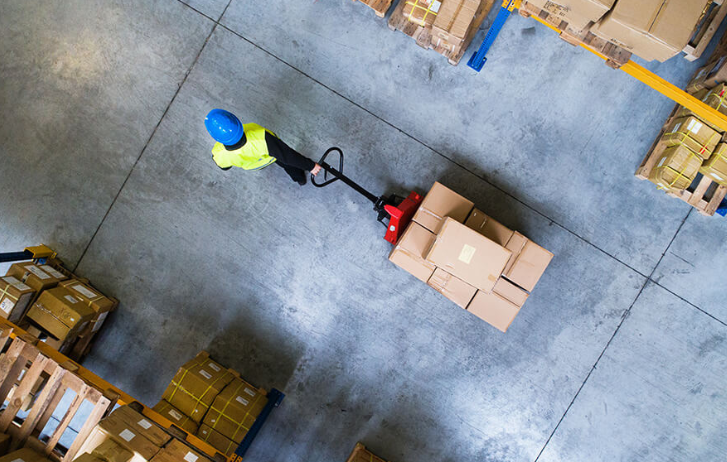
We, at FedEx, help customers estimate and track their shipping emissions through FedEx Sustainability Insights. This tool enables companies to access estimated CO2e emissions data at both package and account levels. Customers can also run specific emissions reports based on region, transport mode, weight, origin, destination, and more. Since 2023, over 13,000 customers worldwide have generated emissions reports using this tool.
3. Green logistics is balancing sustainability with speed
Supply chain diversification is more than a sourcing strategy – it’s also about prioritizing transport options that balance sustainability concerns with cost and efficiency. A new era of ‘fit-for-purpose logistics’ is already taking center stage in APAC.
When it comes to logistics, we no longer live in an express world. We live in a world that tailors logistics speed to business needs through multimodal shipping and “multi-speed” supply chains. For reasons of efficiency and sustainability, we will see a clearer delineation between what is truly urgent and what can be deferred. The shift towards deferred shipments will continue as customers demand more flexibility.
To support this, we’ve repositioned our global network to achieve a smarter, more efficient mix of express and deferred shipments. It’s a profound transformation of our air shipments that optimizes for speed, density, and sustainability.
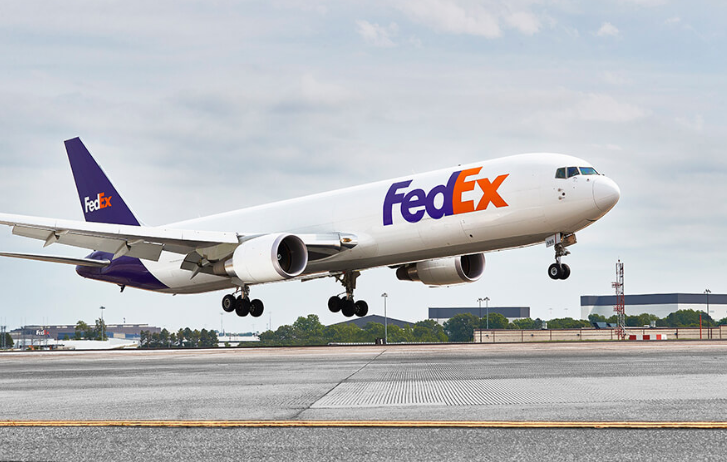
Green logistics also involves increasing the use of digitized processes and robotic process automation (RPA) to optimize efficiency in our facilities, alongside expanding our fleet of electric vehicles (EVs).
As part of FedEx’s fleet electrification to improve last-mile delivery, we’ve deployed EVs across many APAC markets, including Japan, New Zealand, Singapore, and Thailand. In China, for example, EVs already account for more than 20% of our delivery fleet. In Taiwan, we’ve also introduced electric tricycles to better navigate dense urban environments, helping reduce emissions while boosting delivery efficiency.
On the aviation side, we’ve begun using sustainable aviation fuel (SAF) at five US airports to reduce emissions within our global air network. By 2030, we aim to obtain 30% of our fuel supply from alternative sources, on a blended basis.
Sustainable supply chains won’t happen overnight – but the journey has begun
While increasing regulations to drive supply chain sustainability in markets such as the EU may raise operational costs, much remains to be done to create a sustainable future with lower costs and greater efficiency. Education will be a core part of what lies ahead in sustainable supply chains.
At FedEx, our bold ambition is to achieve carbon-neutral operations globally by 2040, well ahead of the Paris Climate Agreement and our competitors. But because the logistics industry faces many intractable sustainability issues, progress will take time.
Technology is the critical factor that will help us get there faster. As digital supply chain tools become more widely available, they will have a profound impact on improving the sustainability of our sector and of global trade.
If we can work together across industries and trade bodies, and in collaboration with our customers, we have a greater chance of transforming our supply chains for a better, cleaner future.
SHARE THIS STORY


Trending Topics
Most Popular
- 85% Of APAC Businesses Plan To Expand Into Europe, According To New FedEx Report
- Generative AI: A New Frontier
- How To Ship A Giant Panda
- The Rise Of Intra-Asia Trade: Opportunities In The China-Southeast Asia Corridor
- Where Do Old Planes Go When They Retire?
- What’s So Dangerous About Coconuts? Your Guide To Dangerous Goods Logistics

Sign up now and save on your shipping rates!
Sign up now and earn discounts by shipping instantly with FedEx Ship ManagerTM at fedex.com.
Recommended For You

What Does It Take To Make Semiconductor Supply Chains More Sustainable?
Can green logistics benefit the semiconductor industry? Micron and FedEx China are collaborating to advance sustainable supply chain practices.
Read More
How New Technologies Deliver Smarter Supply Chains
Emergent technologies like AI are making supply chains smarter, more resilient and agile. We dive deeper into their potential for FedEx and Asia SMEs.
Read More
Supply Chain Trends: How Smarter Logistics Is Helping Businesses Move Faster
Discover five supply chain trends shaping smarter logistics, from AI-powered visibility and fulfillment to sustainable logistics and digital tools.
Read More