
MSDS And SDS Explained: How To Prepare A Safety Data Sheet For Shipping
By FedEx | September 23, 2026
An MSDS, now standardized as an SDS (Safety Data Sheet), provides important information about a product’s hazards, handling, and transport requirements. Here’s everything you need to know about preparing and submitting this document when shipping dangerous goods.
- While MSDS and SDS are often used interchangeably, the latter is a standardized format that superseded the older MSDS format under the Globally Harmonized System (GHS) of Classification and Labeling of Chemicals.
- Businesses can typically obtain the latest safety data sheet from their product manufacturer or supplier.
- Common products such as batteries, chemicals, paints, and aerosols may require additional documentation for dangerous goods shipping.
Everyday items such as paints, adhesives, and cleaning products may seem perfectly harmless, but they can contain materials classified as dangerous goods. When businesses ship such products internationally, it’s crucial to provide clear information about what they contain and how they should be handled in transit.
This is the purpose of a Material Safety Data Sheet (MSDS), now more commonly referred to as a Safety Data Sheet (SDS). The MSDS is an essential document for dangerous goods shipping that details the potential hazards associated with a particular item, helping logistics providers to store, handle, and transport it safely.
Failing to provide an MSDS when required isn’t just a safety issue. It can result in significant delays as your shipments are held for inspection. Non-compliance can potentially lead to costly fines and penalties as well.
Given the importance of the MSDS in regulatory compliance, it’s important for businesses to familiarize themselves with this document. What’s the difference between an MSDS and an SDS? What should this document contain, and how can you obtain one before shipping? This easy guide covers everything you need to know.
What is an MSDS?
A Material Safety Data Sheet (MSDS) is a technical document that contains all vital information about a potentially hazardous product. This includes its health effects, safety precautions for transportation, and emergency measures in case of worst-case scenarios.
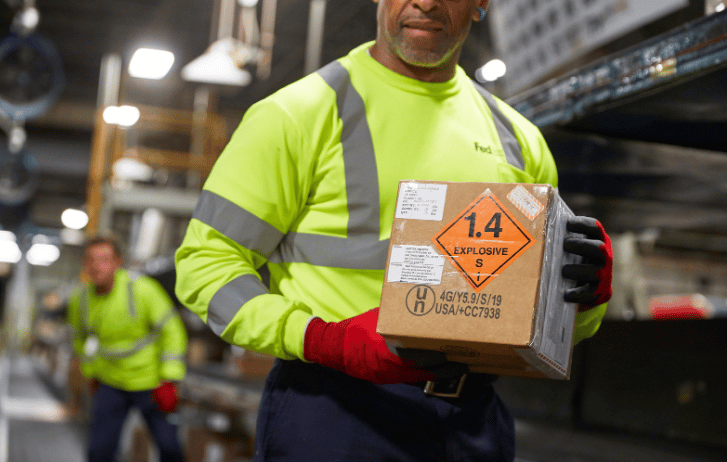
An MSDS is required for shipping dangerous goods – referring to any article or substance capable of posing a hazard to health, safety, property, or the environment. These goods need to be marked, labeled, and documented appropriately to ensure safe handling by trained personnel.
MSDS vs. SDS: What’s the difference?
MSDS is often interchangeably referred to as SDS, or Safety Data Sheet. Both terms refer to similar documents that communicate chemical hazard information. The key difference is that the SDS follows a globally standardized 16-section format, replacing the older standard of MSDS.
SDS was introduced as part of the Globally Harmonized System of Classification and Labeling of Chemicals (GHS) in 2003, and is now the standard documentation for shipping dangerous goods worldwide. By using this globally consistent format, businesses can ensure that hazard information is easy to find and understand across different markets.
When is an MSDS or SDS required for shipping?
You need to provide an SDS whenever you are shipping anything considered dangerous goods. Common categories of dangerous goods include:
- Batteries and battery-containing electronics
- Chemicals and cleaning products
- Paints, inks, and coatings
- Adhesives and glues
- Aerosols and perfumes
- Pesticides and insect repellents
- Nail polish and remover
If you’re unsure whether your shipment is classified as dangerous goods, you can request an SDS from your manufacturer or supplier. Dangerous goods are identified by a four-digit UN number in Section 14.
An SDS is crucial for shipping dangerous goods, but may not be the only documentation required. Depending on the product, destination, and applicable transportation regulations, you may need to submit additional documents such as the following:
- Air Waybill: FedEx requires an Expanded Service International Air Waybill when shipping dangerous goods.
- Shipper’s Declaration: The Shipper's Declaration certifies that dangerous goods have been packed, labeled, and declared according to the International Air Transport Association’s (IATA) Dangerous Goods Regulations (DGR).

What information must you include in an MSDS or SDS?
There are 16 sections in an SDS. Here’s an overview of key details in each section:
- Identification. Information about the product, the manufacturer’s name and contact details, as well as any emergency phone numbers.
- Hazard identification. The type of hazard the chemical poses (e.g. “flammable” or “toxic”), warning labels, and precautionary measures.
- Ingredient information. A list of substances that make up the chemical product.
- First-aid measures. Exposure symptoms and steps to take in case of exposure.
- Fire-fighting measures. Recommended fire extinguishing media as well as specific fire hazards associated with the chemical.
- Accidental release measures. Emergency procedures and protective equipment in the event of a spill.
- Handling and storage. Safe handling practices and proper storage requirements, including temperature and containment.
- Exposure controls/personal protection. Limits on exposure levels as well as recommended personal protective equipment (PPE).
- Physical and chemical properties. Physical characteristics, including appearance, odor, and boiling points or melting points.
- Stability and reactivity. Information on a chemical’s stability under various conditions and reactivity with other substances.
- Toxicological information. Potential health effects from exposure and symptoms of overexposure.
- Ecological information. Environmental impact of a chemical.
- Disposal considerations. Recommended proper disposal of the product or chemical.
- Transport information. Guidelines for safe transport.
- Regulatory information. Relevant regulations and standards for the product or chemical.
- Other information. The date when the SDS was created or last updated, as well as changes made, if any.
How can you obtain or prepare an MSDS?
When it comes to most commercial products, businesses can obtain an MSDS or SDS from the manufacturer, supplier, or distributor. Check the supplier’s website or online database for the latest SDS, or reach out to their customer support team for assistance.
For custom items that your business has produced, you will need to prepare an MSDS yourself. Ensure that you comply with the formatting regulations of your target markets and chosen mode of transport (air, sea, rail).
Prepare your dangerous goods shipments with peace of mind
Dangerous goods logistics calls for proper packaging, handling, and shipping – and the safety data sheet is where it all begins. Accurate MSDS documentation enables logistics providers like FedEx to move your goods smoothly and safely across borders, reducing the risk of delays or accidents.
As a logistics provider with decades of expertise in transporting dangerous goods, FedEx is dedicated to helping businesses navigate the shipping process. Our end-to-end dangerous goods logistics solutions provide support for businesses at every step, from preparing MSDS documentation to arranging specialized packaging.
With the right logistics expertise and guidance, your businesses can minimize costly mistakes and drive growth with confidence.
***
Find out how FedEx can support your dangerous goods shipments here.
SHARE THIS STORY



Trending Topics
Most Popular
- 85% Of APAC Businesses Plan To Expand Into Europe, According To New FedEx Report
- Generative AI: A New Frontier
- How To Ship A Giant Panda
- The Rise Of Intra-Asia Trade: Opportunities In The China-Southeast Asia Corridor
- Where Do Old Planes Go When They Retire?
- What’s So Dangerous About Coconuts? Your Guide To Dangerous Goods Logistics

Sign up now and save on your shipping rates!
Sign up now and earn discounts by shipping instantly with FedEx Ship ManagerTM at fedex.com.
Recommended For You

What’s So Dangerous About Coconuts? Your Guide To Dangerous Goods Logistics
Every country has strict regulations for dangerous goods logistics. Did you know that dried coconut, thermometers, and perfumes are dangerous goods?
Read More
From Flowers To Frozen Foods: Difficult Items To Pack And How To Protect Them
Items like flowers, seafood, and electronics can be difficult to pack. Here’s how to prepare your sensitive packages for safe delivery.
Read More
From Batteries To Chemicals: What You Need To Know About Dangerous Goods Logistics
Learn what qualifies as dangerous goods for shipping, how to ship them safely, and how FedEx solutions simplify dangerous goods logistics.
Read More