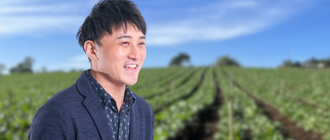
How This CEO Helped Transform Vietnam’s Inefficient Food Supply Chain
By FedEx | March 25, 2026
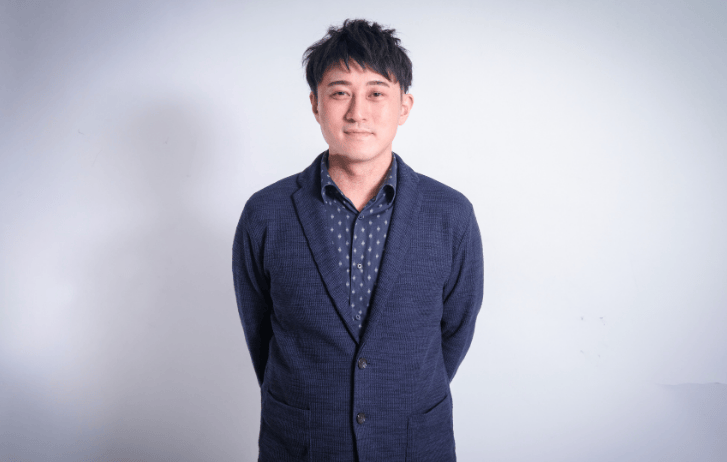
Taku Tanaka is the founder and CEO of Kamereo, Vietnam’s first tech-powered B2B food sourcing platform. In this edition of Confessions of a CEO, he shares how he turns complex problems that others avoid into valuable opportunities.
Taku Tanaka is no stranger to spotting opportunities in unlikely places. While working in equity sales with global investment bank Credit Suisse, he met C-suite leaders from many listed F&B companies in Japan and recognized how saturated the market was. Japan’s mature F&B industry, he realized, wasn’t the right place to achieve his longtime dream of opening his own restaurant – but a fast-growing market like Vietnam might just be.
Walking away from a lucrative career in investment banking, Taku moved to Ho Chi Minh City and joined Pizza 4P’s as COO. It was a massive leap of faith – Pizza 4P’s is now one of Vietnam’s most iconic F&B chains, but at that time, it was just a single store tucked away in a back alley. Under Taku’s leadership, the brand rapidly expanded to ten branches within three years.
While overseeing Pizza 4P’s operations, Taku spotted another untapped opportunity. Vietnam’s food supply chain was hampered by inefficiencies: manual procurement, unreliable logistics, and more. This insight inspired him to launch Vietnam’s first tech-powered B2B food sourcing platform, Kamereo.
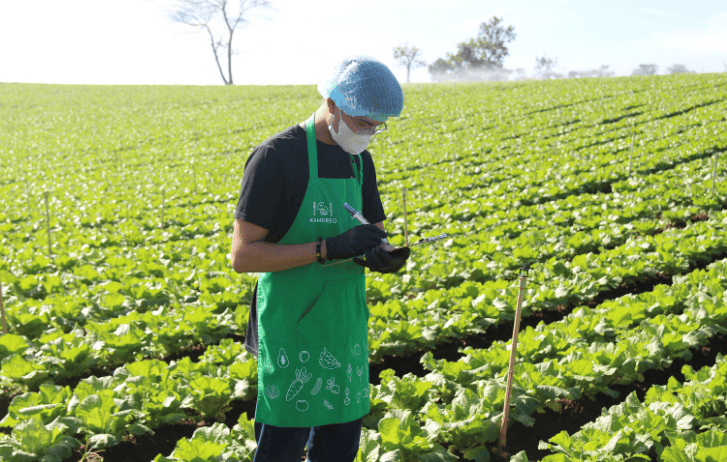
Founded in 2018, Kamereo instantly connects restaurants and retailers with fresh produce suppliers and farmers through its online ordering platform. This one-stop solution saves buyers the hassle of managing multiple suppliers and coordinating deliveries. Instead, they can rely on Kamereo’s integrated logistics and warehousing system to handle order processing, product tracking, cold storage, and delivery – all in one place.
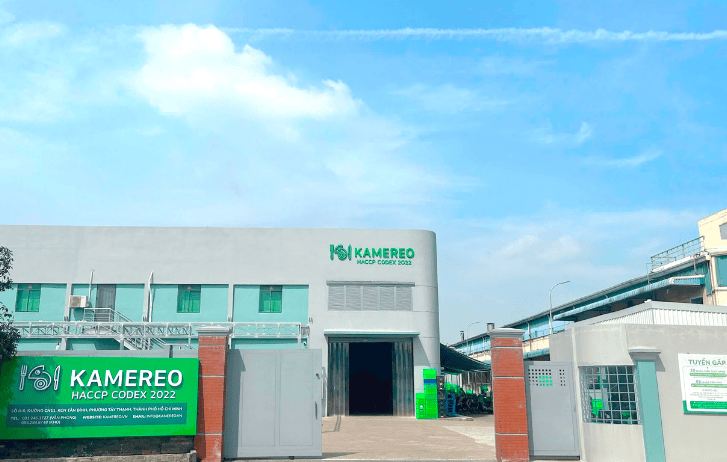
Today, Kamereo is Vietnam’s largest B2B food sourcing platform and has expanded from Ho Chi Minh City to Hanoi. Its client list is star-studded, spanning luxury hotels, global chains like Starbucks, and renowned restaurants such as El Gaucho – and of course, Pizza 4P’s. In 2025, the startup was also featured on Forbes Asia’s 100 to Watch list.
How has Taku transformed opportunities into success, and what new possibilities does he see in Vietnam’s rapidly evolving landscape? We spoke with him to discover insights from his startup journey.
You were formerly the COO of Pizza 4P’s. What did you do to grow the restaurant from 1 outlet to 10 across Vietnam in 3 years?
Taku Tanaka: At Pizza 4P’s, we operated only one store during our first four years. Instead of expanding quickly, we focused on building a strong foundation – refining our operational flow, developing the team, and building the capabilities needed to support future growth.
Because we stayed as a single store for a long time, and reservations were famously difficult to get, we naturally built awareness and anticipation around our brand.
By the time we were ready to expand, we had both a strong brand and a solid operating system in place. Having the patience to wait until we were truly ready helped us lay the foundation to scale quickly, growing from 1 to 10 stores between 2015 and 2018.
Going from B2C to B2B, how did your experience at Pizza 4P’s help you establish and grow Kamereo?
My experience at Pizza 4P’s helped me understand the food supply chain from the customer’s perspective. As a restaurant operator, I experienced many inefficiencies firsthand: working with multiple suppliers and dealing with inconsistent quality, unstable pricing, and unreliable deliveries.
These challenges became one of the key motivations behind building Kamereo. We designed the platform to solve these pain points for restaurants by providing a more reliable, transparent, and technology-driven supply chain solution.
The biggest adjustment moving from B2C to B2B was the nature of customer relationships. In B2C, success often depends on branding, customer experience, and marketing. In B2B, trust is built through operational reliability – consistent quality, reliable deliveries, transparent pricing, and strong customer support.
Another difference I had to adjust to was the pace of decision-making. In B2C, customers can decide instantly. In B2B, businesses take more time because their decisions impact operations and costs. However, once you earn their trust, the relationships tend to be longer-term and more stable.
Overall, my experience at Pizza 4P’s helped me to deeply understand what restaurant operators truly need, which has been critical in shaping Kamereo’s products and services.

For founders who are willing to build patiently and design solutions specifically for the Vietnamese context, the opportunity is enormous.
As a Japanese native, why did you choose to venture into the Vietnam market?
In Japan, it is quite difficult to find problems that are large enough to solve, because many systems are already well-organized by large corporations and government institutions.
In contrast, when I came to Vietnam, I quickly noticed many simple but significant problems that had not yet been solved – especially in the food supply chain.
A typical food supply chain in Vietnam faces many structural challenges: unstable pricing, unpredictable supply and demand, limited traceability, transactions without proper invoices, late deliveries, and insufficient customer support. At Kamereo, we’re addressing these issues by building an integrated supply chain from upstream to downstream, supported by technology.
As a Japanese native, I also have the advantage of learning from Japan’s highly developed supply chain systems and adapting those best practices to fit the Vietnamese market. This combination has created strong value for our business so far, and we believe it will continue to generate even more value in the future.
What aspects of the Vietnamese market do foreign founders and investors often misunderstand?
One thing that’s often misunderstood about the Vietnamese market is that it is not as simple or homogeneous as it may appear from the outside. Many foreign founders and investors see Vietnam as a “high-growth emerging market”, but they sometimes underestimate the operational complexity behind that growth.
In reality, many industries are still fragmented and relationship-driven. Infrastructure, supply chains, and regulatory processes are evolving quickly, but not always standardized yet. As a result, building a scalable business here requires much stronger operational capabilities than many people expect.
Another common misconception is assuming that strategies that worked in more developed markets can be copied directly into Vietnam. In practice, successful companies usually adapt deeply to local behavior, price sensitivity, and business culture.
For founders who are willing to build patiently and design solutions specifically for the Vietnamese context, the opportunity is enormous. But it requires local understanding, strong execution, and long-term commitment.
Beyond demographics and GDP growth, what structural shift in Vietnam do you think will create the next wave of breakout companies?
I believe one of the biggest structural shifts in Vietnam is the gradual formalization and digitization of its economy.
For many years, a large part of Vietnam’s economy has operated in a fragmented and semi-informal way. But recently, the government has been putting much stronger emphasis on legal compliance, transparency, and proper invoicing. Policies such as mandatory e-invoicing and stricter tax compliance are pushing businesses to operate in a more formal and structured manner.
At the same time, businesses are becoming more data-driven, supply chains are becoming more transparent, and digital payments are expanding. This combination is forcing many traditional industries to modernize their operations.
I believe this shift will create the next wave of breakout companies in Vietnam – not just in consumer internet, but especially in sectors like supply chain, B2B commerce, fintech, and enterprise services. Companies that can help businesses operate more efficiently while staying compliant with regulations will create enormous value in the coming years.
If you were starting from scratch today, what opportunity in Vietnam would you pursue, and why?
I would probably pursue the same opportunity in the food supply chain. The problems we’re solving are still very real in Vietnam.
However, I believe I would run the business smarter, especially in how we build the team. With the experience I have today, I would focus earlier on hiring the right people, designing a strong organization, and building systems that allow the company to scale more efficiently.
The opportunity would remain the same, but the way I build the company around it would be more thoughtful.
What is one belief you hold that other business leaders might disagree with?
I believe companies should intentionally choose problems that are not easy and may seem extremely difficult at the start.
Many businesses prefer to pursue opportunities that are quick to execute or easy to scale. But in my experience, those opportunities are usually highly competitive and easier for others to replicate.
On the other hand, when a company takes on a problem that is structurally difficult – such as building supply chains, improving operational infrastructure, or solving deeply rooted inefficiencies – it often creates much stronger long-term value. These types of problems require patience, strong execution, and a willingness to deal with complexity, which naturally limits competition.
At Kamereo, we chose to work on the food supply chain, which is not an easy business. It involves logistics, operations, supplier management, technology, and customer service all at once. But precisely because it is difficult, solving it well can create a meaningful and lasting impact.
In other words, I believe the most valuable opportunities are often the ones that initially look too complicated or too hard to solve.
What is your greatest business failure that you treasure the most?
One of the biggest failures in our journey of building a great business has been hiring the wrong talent – especially people who did not truly share our values and long-term vision.
In the early stages of a company, there is often pressure to hire quickly to support growth. However, I have learned that talent alone is not enough. If someone does not share the same values, mindset, or commitment to the mission, it can create misalignment within the team and slow down the organization.
Over time, I’ve realized that building a strong company is not only about hiring capable people, but about building a team that believes in the same purpose and works together with trust. Today, cultural fit and shared values are just as important as skills when we bring new people into the organization.
***
In our Confessions of a CEO column, Asia Pacific’s founders and business leaders share insights that small businesses can learn from. To discover more entrepreneurship stories like Taku’s, subscribe to our monthly newsletter and stay tuned for the next edition.
SHARE THIS STORY


Trending Topics
Most Popular
- 85% Of APAC Businesses Plan To Expand Into Europe, According To New FedEx Report
- Generative AI: A New Frontier
- How To Ship A Giant Panda
- The Rise Of Intra-Asia Trade: Opportunities In The China-Southeast Asia Corridor
- Where Do Old Planes Go When They Retire?
- What’s So Dangerous About Coconuts? Your Guide To Dangerous Goods Logistics

Sign up now and save on your shipping rates!
Sign up now and earn discounts by shipping instantly with FedEx Ship ManagerTM at fedex.com.
Recommended For You
The Filipino Dragon Fruit Farmer Taking On The World
Bulacan Dragon Fruit Depot started as a small family-run farm in the Philippines, later cornering the global market in unique hybrid varieties.
Read More
Building Resilient And Sustainable Supply Chains For A Greener Future
Sustainable supply chains help businesses stay resilient and competitive. Learn how FedEx drives efficiency, innovation, and carbon-neutral logistics.
Read More
Through Rural Entrepreneurship, This CEO Is Helping Indonesia’s Remotest Communities To Thrive
Discover how Indonesian CEO Ryan Manafe tackled challenges to rural entrepreneurship, from limited logistics infrastructure to low digital adoption.
Read More