Turning The Tide: How FedEx Is Taking Action For Marine Conservation In APAC
By FedEx | First published: June 8, 2023 Updated: January 28, 2026
Oceans cover the majority of our planet. By helping to conserve marine life and combat environmental threats, we can all play a part in preserving our blue planet for future generations.
- Businesses, industries, and communities across APAC rely on the ocean as a vital resource – but climate change and pollution threaten to disrupt this ecosystem.
- At FedEx, we contribute to marine conservation efforts as part of our commitment to shaping a more sustainable future.
- From leading ocean cleanup projects to supporting sustainable businesses, we’re collaborating with organizations across the region to drive positive change.
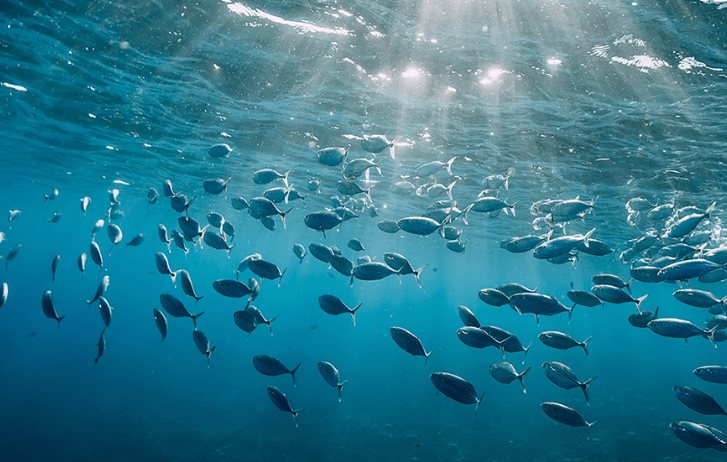
We live on a blue planet, with oceans and seas covering over 70% of the Earth’s surface. These waters are essential for human survival, producing roughly half of the vital oxygen we breathe and providing one-fifth of animal protein intake for over three billion people. What’s more, they contribute to the global economy by sustaining fishing and aquaculture, supporting marine tourism, and serving as highways for international shipping.
But in recent decades, human activity has placed increasing strain on the world’s oceans. Pollution from oil spills and plastic waste harms marine habitats and endangers wildlife, while overfishing depletes fish populations and impacts food security for billions of people.
Climate change remains an urgent threat, with our oceans absorbing 90% of the heat generated by greenhouse gas emissions. As sea levels rise, flooding will put millions of lives, businesses, and communities in Asia Pacific (APAC) at risk. Today, coastal flooding already drives USD 26.8 billion in damages every year across APAC.
We all have a shared responsibility to protect our oceans and mitigate the threats that climate change and pollution pose to the world. At FedEx, we’re actively contributing to marine conservation as part of FedEx Cares, our global community engagement program.
Here’s how we’re working with our team members, communities, and customers to help clean up our coastlines and raise awareness about ocean sustainability across APAC.
Cleaning up our beaches and shorelines
Every year, around 8-10 million metric tons of plastic find their way into our seas. And it’s estimated that 86% of ocean plastics come from rivers in Asia.
Beach and ocean cleanup projects help to remove plastic waste and protect marine biodiversity. What’s more, such efforts can support local tourism industries and improve the livelihoods of those who live and work in coastal areas.
Across APAC, our teams have been joining in the fight against plastic pollution. Over the years, we’ve organized numerous cleanup initiatives to reduce marine debris and build cleaner coastal communities.
In 2025, 113 FedEx employees from Japan came together to lead a series of community cleanups across Tokyo, Kanagawa, Chiba, and Osaka. In total, they removed around 360 kg of garbage and plastic from parks, roadsides, and beaches.
Meanwhile in Taiwan, FedEx collaborated with environmental education association RE-THINK to host two beach cleanup events along the heavily polluted Northern Coast. Nearly 60 employees and their families participated in the events – and their enthusiasm inspired nearby visitors to spontaneously join in.
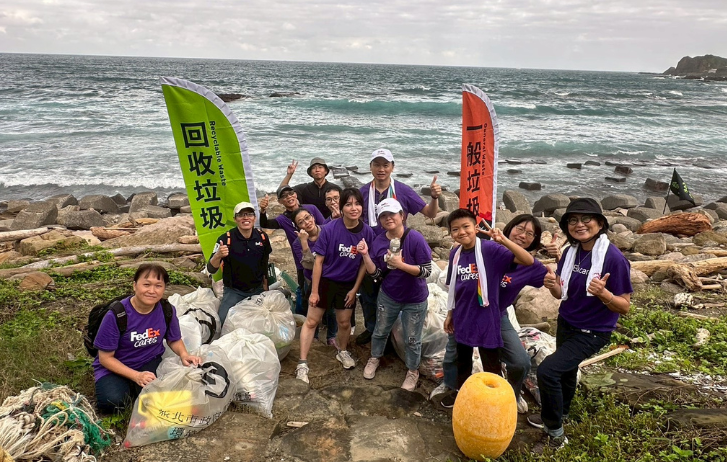
Together, they picked up over 450 kg of marine debris, ranging from industrial waste to beverage cups and disposable utensils.
Beyond cleanup initiatives, we’re taking sustained action to support water resource protection. In 2025, FedEx launched the “Together, Act for Good – Protecting One Kilometer of A River Course” environmental public welfare program in collaboration with the All-China Environment Federation (ACEF).
This program included a series of river protection activities in 15 cities across China, such as soil and vegetation protection and biodiversity conservation.
Investing in the resilience of coastal communities
Over a billion people currently live within 10 km of a coast, and Asia is home to 60% of the world’s coastal population. These coastal communities are highly vulnerable to the impacts of climate change. Rising sea levels can trigger deadly natural disasters such as floods and landslides, while ocean warming is increasingly impacting fish populations and threatening food security.
Supporting these coastal communities is a key focus of our marine conservation efforts in APAC. In Indonesia, we’ve collaborated with Yayasan Konservasi Alam Nusantara (YKAN), a non-profit marine life conservation organization, to improve the livelihoods of local residents and help regenerate coastal habitats.
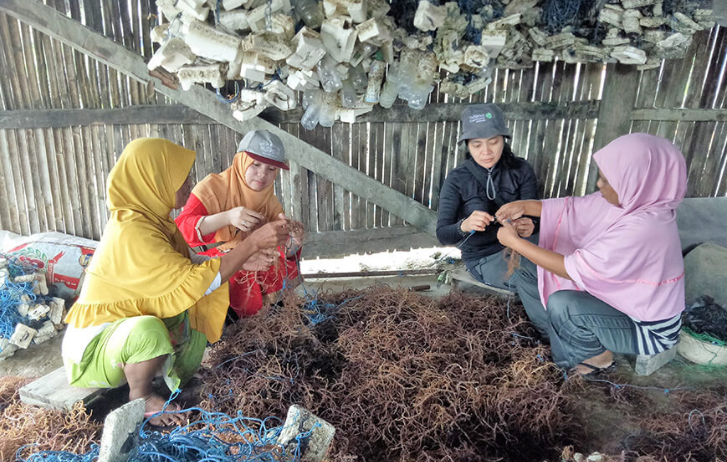
In 2023, we embarked on a year-long community empowerment program with 270,000 families and 33,000 seaweed farmers in Wakatobi. An archipelago of 150 islands in Southeast Sulawesi, Wakatobi is one of Indonesia’s largest seaweed producers. The area is vulnerable to environmental damage that can impact its rich marine biodiversity and threaten the economic security of its seaweed farmers.
Our program with YKAN in Wakatobi focused on two key areas: responsible use of marine resources and a shift toward cross-border e-commerce. To help farmers leverage e-commerce, our FedEx volunteers developed a training module on the basics of digital marketing, cross-border e-commerce, and suitable shipping methods for exporting their seaweed products. This training was designed to help farmers expand their business opportunities and build their potential as global entrepreneurs.
In 2024, we deepened our collaboration with YKAN by working together on a mangrove restoration program. Indonesia is home to 20% of the world’s mangroves, which are vital to the resilience of coastal communities against climate change. Mangrove forests can reduce greenhouse gas emissions by storing 10 times more carbon than mature tropical forests, and they act as natural shields against extreme weather events such as storm surges.
To support mangrove restoration, 30 FedEx volunteers teamed up to plant 70 mangrove trees at the Mangrove Tourism Center in North Jakarta. In total, the program aims to rehabilitate 10 hectares of mangroves in the regency of Bengkalis.
Empowering sustainable small businesses
As a champion of entrepreneur culture and SME innovation, we’re proud to support SMEs who are making sustainability the heart of their businesses. Some of the work our customers and partners do directly supports efforts to protect the beauty and biodiversity of our oceans.
One example is The Plastic Flamingo, a Philippines-based social enterprise tackling marine plastic pollution through responsible waste collection and recycling.
As a coastal nation of more than 7,500 islands, the Philippines is especially vulnerable to the impacts of marine pollution. Plastic debris poses a hazard to marine animals and creates challenges for critical industries like fishing, shipping, and tourism.
The Plastic Flamingo works to collect plastic waste from communities, coastal areas, and partner organizations like FedEx, preventing it from entering the nation’s oceans. They then transform the plastic into useful upcycled products such as furniture, household items, and emergency shelters. To date, they have collected and recycled over 1,300 tons of plastic waste.
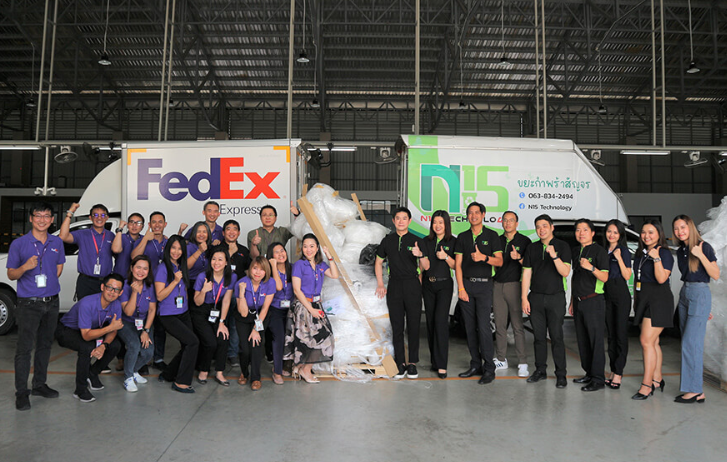
Meanwhile, Bangkok-based company N15 Technology is using cutting-edge technologies to convert waste into sustainable energy. By recycling discarded materials such as single-use plastics into refuse-derived fuel (RDF), the company helps to combat waste accumulation in landfills and reduce the risk of plastic waste entering rivers and oceans.
FedEx has teamed up with N15 Technology to recycle over 3,500 kg of waste from our shipping operations, including plastic wraps, label stickers, and paper cores.
As businesses in APAC explore more innovative ways to manage waste, we’re committed to supporting their efforts to promote marine conservation and protect our blue planet.
Driving progress for the planet
At FedEx, we know that building a sustainable future doesn’t happen overnight. It requires individuals, communities, and businesses of all sizes to come together and adopt more sustainable practices.
That’s why we’re actively participating in programs that address pressing environmental issues across the globe.
In addition to working toward our goal of carbon-neutral operations by 2040, we also volunteer our time and expertise, collaborate closely with our customers and communities, and give back to sustainable causes like marine conservation. Together, these actions can make a lasting impact on the planet we share.
***
For more inspiration on how you can take action, visit our Sustainability page here.
SHARE THIS STORY



Trending Topics
Most Popular
- What’s So Dangerous About Coconuts? Your Guide To Dangerous Goods Logistics
- How To Ship A Giant Panda
- Where Do Old Planes Go When They Retire?
- 85% Of APAC Businesses Plan To Expand Into Europe, According To New FedEx Report
- The Rise Of Intra-Asia Trade: Opportunities In The China-Southeast Asia Corridor
- Generative AI: A New Frontier

Sign up now and save on your shipping rates!
Sign up now and earn discounts by shipping instantly with FedEx Ship ManagerTM at fedex.com.
Recommended For You
From Fried Chicken To Jet Fuel: The Future Of Sustainable Aviation
Your used fried chicken oil might be powering greener aviation. Here’s a look at what sustainable jet fuel is and how it can help us reach net-zero.
Read More