
How Auto Parts Logistics Helped An E-Commerce Company Reach 200+ Markets
By FedEx | July 3, 2026
How do you manage 300,000 SKUs across 200 markets while ensuring every high-precision component clears customs without a hitch? Here’s how FedEx helps a China-based auto parts e-commerce company manage complex SKUs and offer flexible shipping options to its international customers.
- A China-based auto parts e-commerce company grew from a two-person operation into a global business with over 300,000 SKUs, 500 employees, and customers in 200 markets.
- With FedEx’s support, the company improved its SKU management and automated its customs declaration workflow to streamline cross-border clearance.
- As the company scaled internationally, FedEx’s flexible logistics solutions helped it to balance speed and reliability with shipping cost optimization.
For businesses in the automotive, engineering, and machinery industries, a small missing part can have a huge impact on operations. It can delay a much-needed repair, hold up a major project, or keep essential machinery out of service indefinitely.
Now that auto parts sales have moved online, the need for these critical components to arrive just in time has grown stronger. The global e-commerce automotive aftermarket was valued at USD 62.12 billion in 2023 and is projected to reach USD 208.16 billion by 2030. While this rapid growth offers exciting opportunities, it also introduces complex logistics challenges for auto parts businesses selling across borders.
One China-based auto parts e-commerce company has faced these challenges in the course of its international expansion. Starting out its e-commerce journey in 2012 as a two-person operation, the company has grown into a global business with more than 500 employees, over 300,000 stock-keeping units (SKUs), and customers in more than 200 countries and regions.
Its catalog now includes everything from standard hardware to high-precision components, sold through its own e-commerce sites and global marketplaces such as Amazon and AliExpress. Behind that growth is a logistics model built for complexity, spanning warehouses in Hangzhou and Guangzhou, 16 overseas facilities across North America, Europe, and South America, and more than a decade of collaboration with FedEx.
From a two-person shop to a global auto parts e-commerce business
China’s cross-border e-commerce market began gaining strong momentum around 2012. During this time, the company saw an opportunity to take its specialized auto parts beyond traditional export channels and sell directly to international customers.
In the beginning, the operation was lean as the business found its footing. A two-person team handled orders, inventory, shipping, and customer service. Within the same year, the company began working with FedEx to support its early cross-border shipments.
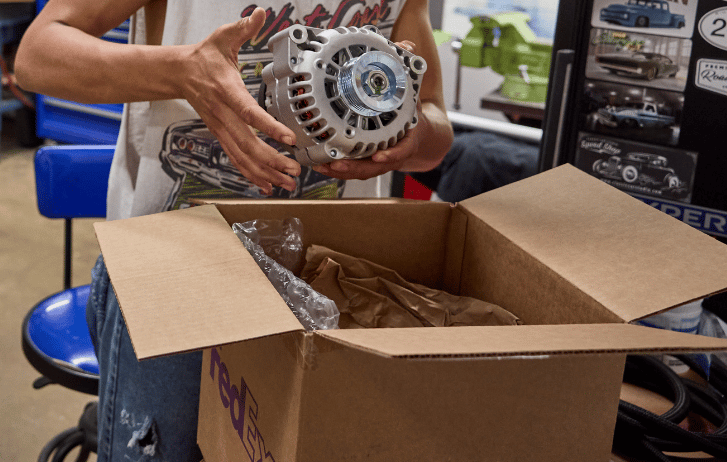
As international demand grew, operations inevitably became more complex. The company’s product range expanded to more than 300,000 SKUs, covering everything from standard components to specialized parts. Its sales channels also expanded from independent sites to global e-commerce marketplaces.
This unprecedented growth created new pressure on the company’s logistics operations. Not only did they need to ship a wider range of products to more markets, they also needed to maintain consistent documentation and delivery timelines. Today, FedEx supports an estimated 40% to 50% of the company’s cross-border logistics volume, helping it move orders across key international markets with ease.
Ensuring seamless SKU management across borders
For any business, a growing product catalog is a clear sign of success. In the auto parts industry, however, a larger product catalog also makes cross-border shipping more challenging.
For one, each product may require different shipment information. Whether it’s a small hardware item, a precision component, or a machinery part, each product needs to be classified and handled differently. And when a company manages hundreds of thousands of SKUs, relying on manual customs declarations can slow teams down and raise the risk of errors.
This makes SKU management critical for auto parts logistics. The company needed a more efficient way to manage online customs declarations and support smoother clearance in destination markets.
FedEx stepped in to help automate the online declaration process, guiding the company’s transition to a digital workflow. With specialist guidance and digital support, the company was able to reduce manual effort and labor costs while boosting its declaration accuracy for more efficient clearance.
Flexible delivery options for every customer
Not all auto parts buyers have the same needs. Some may need a small replacement part urgently for repairs, while others may be placing cost-sensitive orders where reliability matters more than speed. This means a one-size-fits-all shipping option won’t work for every customer.
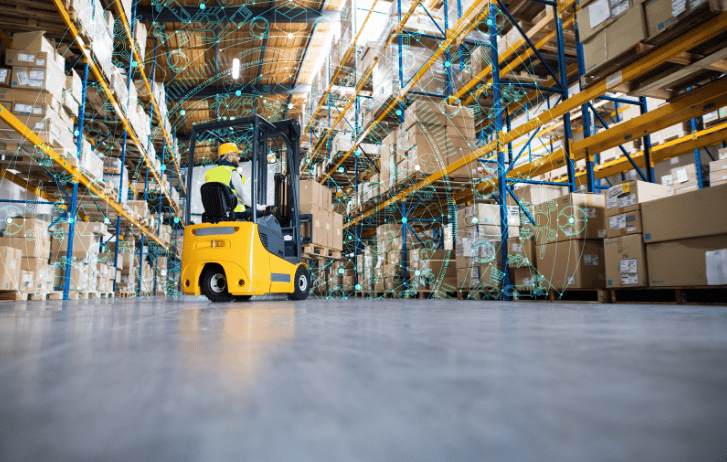
To serve different customer needs, the company needed a flexible service portfolio that could balance speed, cost, and delivery certainty. FedEx worked with the company to design shipping options around cargo type, order urgency, and market demand.
For urgent small components, for example, FedEx International Priority helps the company provide fast delivery within two to four business days, supporting buyers who need parts quickly to keep repairs, projects, or operations moving.
For more cost-sensitive orders, the company turns to FedEx International Connect Plus, which provides day-definite international e-commerce shipping while helping reduce logistics costs by about 10%. This supports shipping cost optimization, giving the company more room to protect margins while still offering a reliable delivery experience.
Keeping customers informed after checkout
The customer experience doesn’t end at checkout. Auto parts buyers waiting for specific parts typically expect updates on order status and estimated delivery times. After all, any delivery delays can impact their repair schedules or business operations.
To help the company manage a high volume of orders and tracking inquiries, FedEx provides dedicated customer service support. The team offers one-on-one tracking assistance and proactive exception management, helping the company respond quickly when shipments need attention. This gives customers greater visibility and helps the business maintain trust across a large international customer base.
Building the logistics infrastructure for long-term growth
As the global automotive aftermarket continues to grow, opportunities for auto parts e-commerce sellers will no longer be limited to a single domestic market or sales channel. Customers may be searching for replacement parts and machinery components across global marketplaces, and they expect e-commerce sellers to deliver reliably across borders.
As the company expands internationally, logistics has become the foundation for its growth. Its domestic warehouses in Hangzhou and Guangzhou, together with overseas facilities across North America, Europe, and South America, have helped bring products closer to key markets.
At the same time, the business needs a logistics provider with comprehensive route coverage and strong regional support. FedEx continues to enhance connectivity between China and the US, as well as Asia and Europe, helping businesses move shipments across key trade lanes. For the company, this network supports a more resilient cross-border model by enabling it to reach customers in more than 200 countries and regions.
The collaboration also reflects a broader shift in China’s auto parts sector. As more businesses move from traditional export trading to brand-led e-commerce growth, logistics is becoming part of how they compete. Beyond moving products from one point to another, auto parts logistics must now help companies manage complex catalogs, support efficient clearance, meet different customer expectations, and build the confidence to expand internationally.
From supporting auto parts logistics to unlocking international growth
The company’s journey shows how quickly cross-border e-commerce can evolve. What began as a two-person operation is now a global auto parts e-commerce business managing hundreds of thousands of SKUs.
At each stage of growth, its logistics needs have changed. Early on, the focus was on getting products to overseas customers. As the business scaled, it needed more efficient declarations, more flexible service options, stronger customer support, and broader network reach.
By working with FedEx for more than a decade, the company has built a logistics model that can support both day-to-day operations and long-term expansion. Beyond having more products and entering more markets, the company’s success depends on building the right systems behind every order, so customers can get what they need, wherever they are.
SHARE THIS STORY


Trending Topics
Most Popular
- 85% Of APAC Businesses Plan To Expand Into Europe, According To New FedEx Report
- Generative AI: A New Frontier
- How To Ship A Giant Panda
- The Rise Of Intra-Asia Trade: Opportunities In The China-Southeast Asia Corridor
- Where Do Old Planes Go When They Retire?
- What’s So Dangerous About Coconuts? Your Guide To Dangerous Goods Logistics

Sign up now and save on your shipping rates!
Sign up now and earn discounts by shipping instantly with FedEx Ship ManagerTM at fedex.com.
Recommended For You

How This Solo Startup Pursued International Expansion From Day One
Can a 1-person business scale globally? Here’s how Taiwanese solo startup UVISION succeeded in international expansion with smart logistics solutions.
Read More
How INLINEX Turned Skating Passion Into Cross-Border E-Commerce Expansion
What started as weekend skating coaching has grown into a thriving cross-border e-commerce brand. Discover INLINEX's key to international growth.
Read More
When Opportunity Knocks: How Air Freight Shipping Enabled ROSYFOXY To Meet Viral Demand
How did ROSYFOXY drive business expansion across 8 markets in 2 years? Learn how air freight enabled the brand to seize fast-moving opportunities.
Read More