Sustainable Packaging Innovations That Can Transform How You Ship
By FedEx | December 30, 2025
If you think sustainable packaging stops at swapping plastic for paper, you’re missing out on the latest innovations. From fungi-based foam to simulation tools, these five ingenious packaging trends offer a look at what’s driving change in the industry today.
- As the world takes action against plastic pollution, sustainable packaging is increasingly used to reduce shipping emissions and minimize waste in logistics.
- Businesses can adopt plant-based packaging and cushioning, explore lightweight designs, and experiment with advanced technologies.
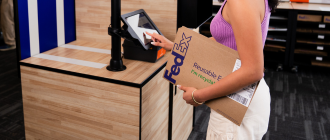
- To help businesses ship more sustainably, FedEx has developed a range of eco-friendly packaging solutions such as the Reusable Pak.
Imagine a material that’s as strong and flexible as regular plastic, but dissolves harmlessly in seawater within a few hours. Its components can be fully broken down by naturally occurring bacteria, leaving no trace behind.
This futuristic material might sound closer to science fiction than reality – but it’s already under development. In early 2025, researchers from Japan’s RIKEN Center for Emergent Matter Science and the University of Tokyo unveiled a durable and non-toxic plastic that biodegrades when exposed to salt. While the material isn’t commercially available yet, it offers a promising solution to the world’s plastic pollution crisis.
Asia Pacific (APAC) produces about 200 million tons of plastic waste each year, much of which leaks into our oceans. This pollution endangers animals and releases microplastics into the food chain. A major driver of this problem is packaging: from plastic mailers to Styrofoam padding, packaging accounts for 36% of global plastic production and is the largest source of single-use plastic waste worldwide. To combat pollution and protect our ecosystems, eco-friendly packaging has become a critical part of the solution.
The good news is that sustainable packaging innovation is picking up speed. Companies are developing plant-based alternatives to protect goods in transit, creating lightweight designs to reduce shipping emissions, and using cutting-edge packaging technology to minimize waste. Here’s a look at five ingenious packaging innovations making shipping more sustainable.
1. Plant-based packaging for e-commerce shipping
It’s common for retailers to pack and ship goods in plastic mailers. But such single-use plastics can take up to 1,000 years to degrade, polluting oceans and landfills for centuries.
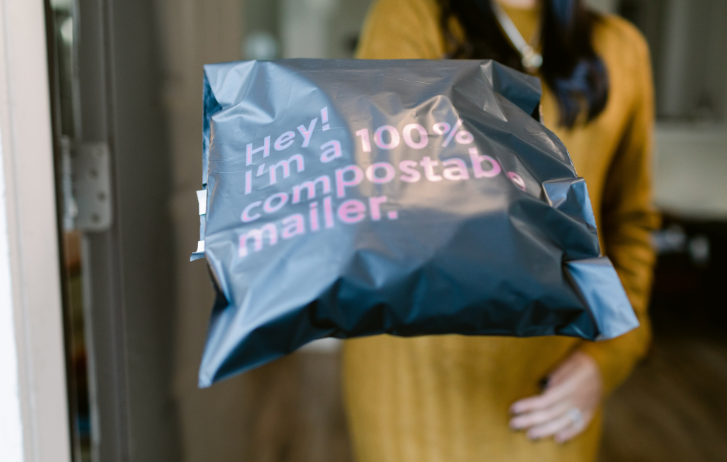
Packaging made from bioplastics is changing the game for brands looking to ship greener. Created from plant-based materials like cornstarch, sugarcane, bamboo, and even wheat gluten, these bioplastics have a lower carbon footprint and break down naturally in the environment.
A key challenge for bioplastics has been achieving the sturdiness required for shipping, as they tend to be less strong and durable than conventional plastics. However, advances in biomaterial design are closing the gap.
Take AKO Packaging’s Cassabags. This Philippines-based start-up has developed cassava starch bags and mailers fortified with plant-based additives, enabling them to safely bear 50% more weight than traditional compostable cassava films. Despite their durability, they’re readily biodegradable – they dissolve in hot water at 60°C and transform into nutrient-rich fertilizer when combined with food waste.
2. Cushioning that protects your products – and the planet
How do you protect fragile items during shipping? Bubble wrap and plastic air pillows are popular options, but seldom the most eco-friendly ones. As these soft plastics don’t qualify for curbside recycling, they often end up clogging landfills.
Innovations in eco-friendly cushioning now enable you to safeguard both your products and the planet. For example, Australian packaging supplier FROMM has designed a recyclable paper cushion film that contains 99% air when inflated.
The film is made from 75% certified recycled paper, offering a sustainable alternative to plastic air pillows. FROMM has also developed a Paper Airpad Machine that uses ambient air to inflate the paper cushions, reducing energy consumption.
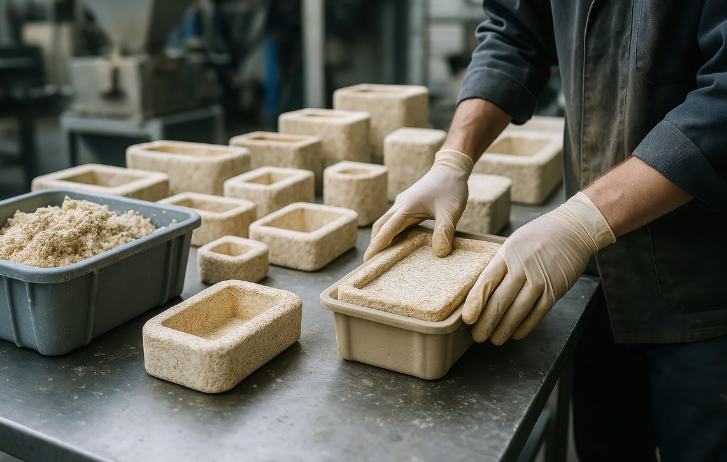
For fragile goods that need to be shipped in supportive molds, such as electronics and glass bottles, businesses typically rely on Styrofoam. But creative substitutes for Styrofoam are emerging – and mushrooms are leading the charge as a fast-growing, compostable material.
One pioneer of fungi-based foam is Singapore-headquartered start-up Mushroom Material. Its sustainable packaging solution combines agricultural waste – such as cardboard or wood chips – with mycelium, the root structure of mushrooms. The result? Pellets with the protective qualities of Styrofoam and the strength of concrete, which can be molded into custom shapes for logistics needs.
3. The rise of lightweighting
Think of your traditional wine bottle. It’s heavy, cylindrical, and made of glass – all of which make it difficult to stack and transport. What if there were a better way to package wine that could lower shipping emissions and improve space efficiency?
Enter Packamama, an Australian sustainable packaging company that’s transforming wine logistics with a flat bottle design. Made from 100% recycled PET, its flat bottles are 87% lighter and 30% spatially smaller while still holding the same volume of liquid as your standard 750 ml wine bottle.
With this space-saving design, Packamama can fit up to 91% more wine per pallet for shipping and warehousing, thereby reducing costs and carbon emissions.
Packamama is just one example of lightweighting, an eco-friendly packaging strategy that’s making waves across various sectors. Lightweighting techniques minimize packaging weight and volume, helping brands lower emissions generated during production and shipping.
Japanese brewing and distilling company Suntory is pushing the boundaries of lightweighting as well. Its mineral water is packaged in Japan’s lightest PET bottles, weighing just 11.9 g. This reduces bottle weight by 50%, translating to lower fuel consumption during transportation.
4. Simulation technology to optimize packaging design
Sustainable packaging is seldom one-size-fits-all – brands often go through multiple rounds of trial and error to find the right fit for their shipping needs. But manually testing packaging design can be slow and costly. Simulation technology enables businesses to run real-world logistics tests, improving packaging efficiency while saving time and costs.
For instance, FROMM’s transport simulation technology helps customers make pallet shipping more sustainable. Businesses can test different packaging configurations and minimize plastic use in pallet wraps or straps.
Siemens’ Simcenter HEEDS design software also demonstrates how advanced technology can enhance sustainable packaging. Packaging designers can use its AI-powered simulation and optimization tools to test how different cardboard designs perform under various conditions. This ensures the final design reduces waste yet holds up well during shipping.
5. 3D-printed packaging that redefines minimal waste
As an emerging technology, 3D printing has the potential to revolutionize how we create packaging. It supports sustainability by enabling packaging components to be produced on demand and closer to where they’re used. Businesses can swiftly print packaging on-site, reducing the need for transport and warehousing. This translates to lower shipping emissions and less waste from overproduction.
3D printing is also pushing the limits of what eco-friendly packaging can be made of. This technology makes it easier to process innovative materials such as algae, recycled plastic, and even food waste into functional packaging. What’s more, businesses and researchers can rapidly print multiple design iterations without wasting time and materials on traditional molds.
Looking ahead: The future of sustainable packaging
Green packaging has advanced rapidly in recent years, and more exciting breakthroughs lie ahead. If your business is switching to sustainable packaging, you have more practical solutions to choose from than ever.
At FedEx, we have long been dedicated to driving innovation in sustainable packaging. Since 1987, our experts at the FedEx Packaging Lab have tested and designed solutions that balance durability and sustainability.
Over the years, we’ve developed a range of packaging supplies to help businesses ship greener. Our FedEx Reusable Paks, for instance, reduce waste by enabling customers to return items or prepare new shipments without additional packaging. As your business embraces sustainable practices, we’re committed to delivering a more responsible future with you.
***
Discover FedEx’s packaging solutions here.
SHARE THIS STORY



Trending Topics
Most Popular
- 85% Of APAC Businesses Plan To Expand Into Europe, According To New FedEx Report
- Generative AI: A New Frontier
- How To Ship A Giant Panda
- The Rise Of Intra-Asia Trade: Opportunities In The China-Southeast Asia Corridor
- Where Do Old Planes Go When They Retire?
- What’s So Dangerous About Coconuts? Your Guide To Dangerous Goods Logistics

Sign up now and save on your shipping rates!
Sign up now and earn discounts by shipping instantly with FedEx Ship ManagerTM at fedex.com.
Recommended For You

How To Build A Sustainable E-Commerce Platform: Lessons From Kindlife
Learn how Radhika Ghai, the founder and CEO of Kindlife, built a sustainable e-commerce platform that puts the planet and people first.
Read More
Building Resilient And Sustainable Supply Chains For A Greener Future
Sustainable supply chains help businesses stay resilient and competitive. Learn how FedEx drives efficiency, innovation, and carbon-neutral logistics.
Read More
Why Your Business Needs Sustainable Packaging – And How FedEx Can Help
Reduce shipping costs and build customer loyalty with sustainable packaging. Explore FedEx solutions that help your business ship responsibly.
Read More