label-package

Tips for labelling shipments

Labelling is the last step when packing a shipment, and it’s worth getting right. Learn how to label both standard and irregular items to avoid delays.


What is a shipping label?
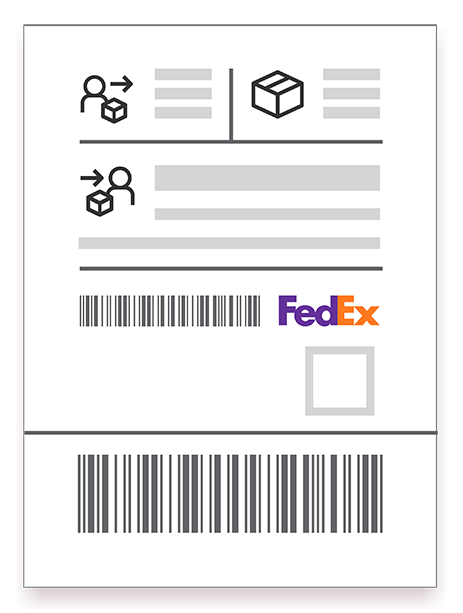
Illustration of the anatomy of a shipping label

A shipping label is your shipment’s travel document. It contains a barcode and information about the sender, receiver, shipping service, handling needs and more. It sits on the outside of a package so both couriers and scanners can read it.

Our system creates the label for you, whether you’re sending or returning an item. You can print it yourself or at one of our locations, where available.


How do I attach a shipping label to a package?
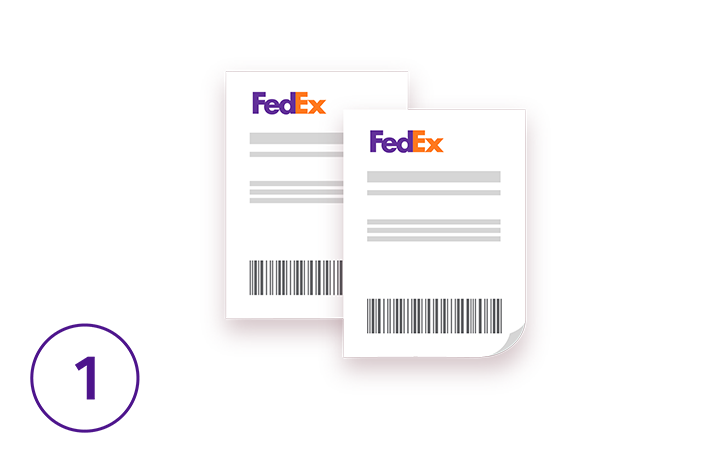
Illustration of 2 shipping labels

Print two copies of the label


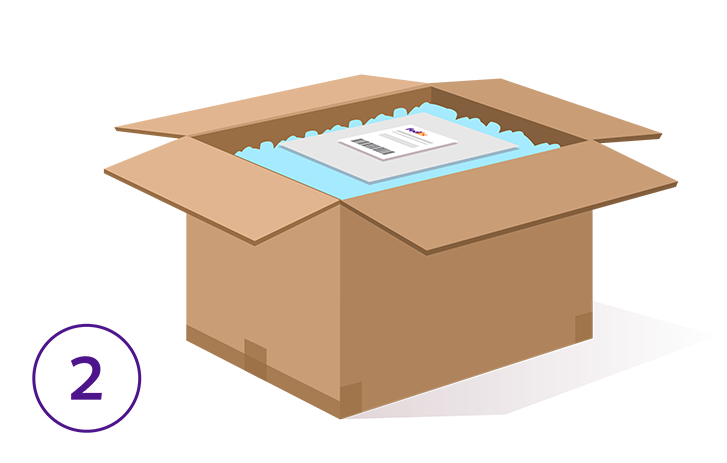
Illustration of shipping label laying on products in a box

Place one copy inside the box as backup
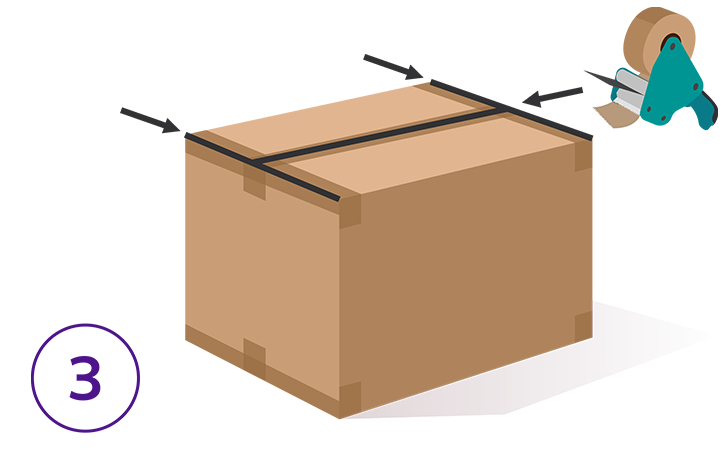

Illustration of a package being taped up

Seal the box using the H-taping method
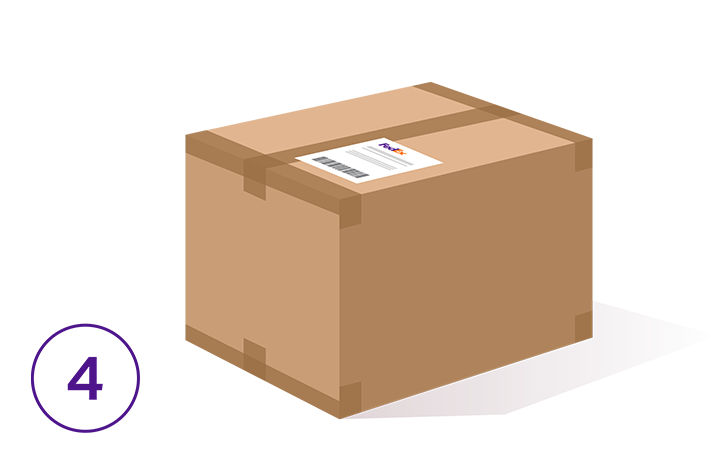

Illustration of a shipping label on a taped up package

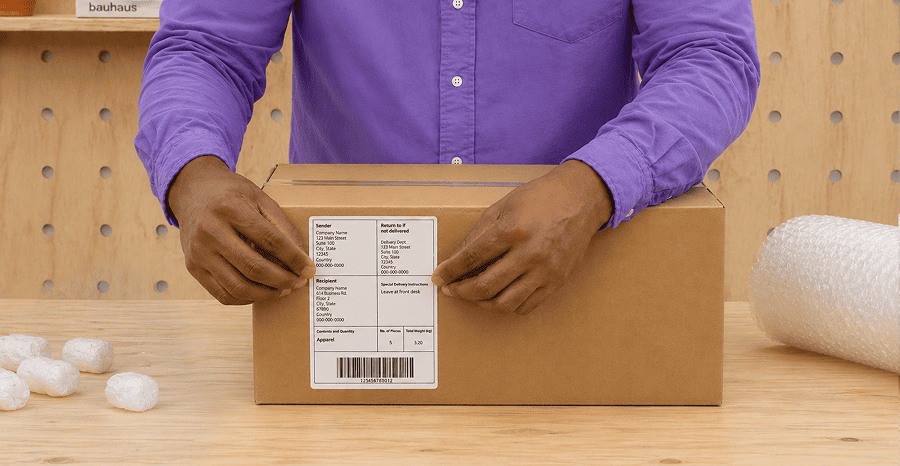
Attach the second label to the top or largest side


How to place a shipping label on a package

Attach the label securely
Use its adhesive backing, a plastic pouch, or tape around the edges. Don’t use glue – the label may tear or come unstuck.
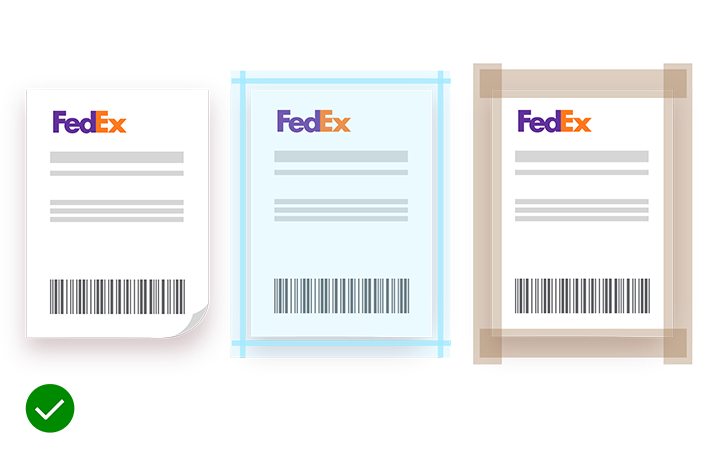
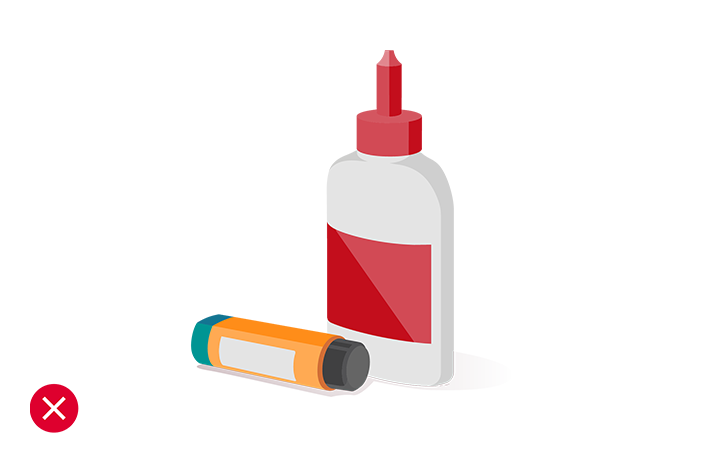
Illustration of shipping labels with different attachment options and a green check mark

Illustration of glue and paste and a red X mark

Keep all label information and barcodes fully visible
Don't cover label details or barcodes with tape.
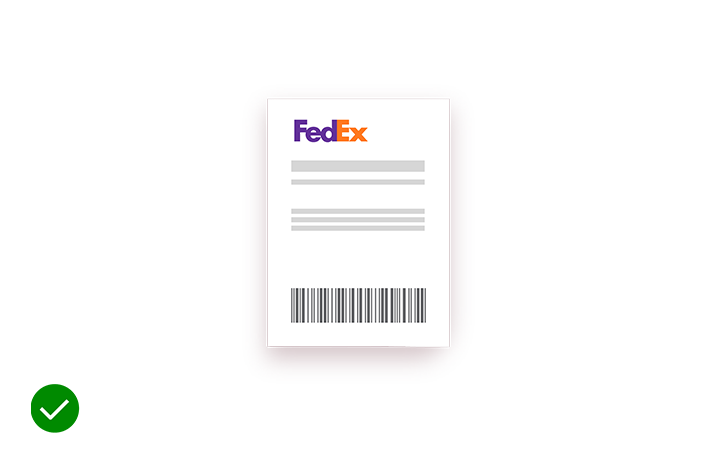
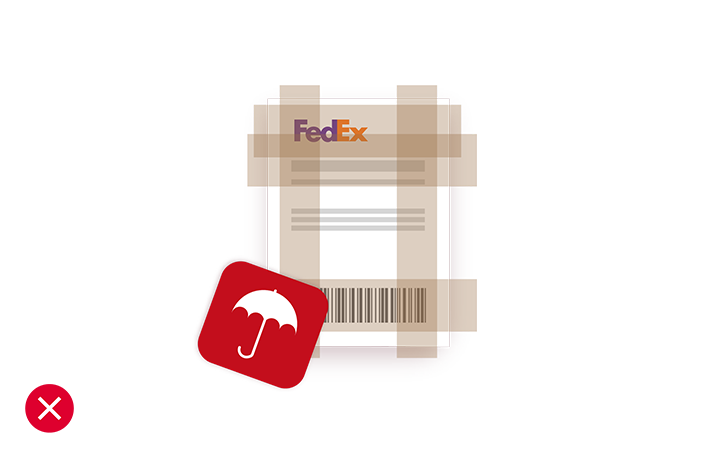
Illustration of an unobstructed shipping label and a green check mark

Illustration of a shipping label with tape and a sticker obstructing details and a red X mark

Place the label on the top or largest side of a box, at least 2cm from edges if possible
Don't stick labels on the underside or in lower corners, or wrap them around edges.
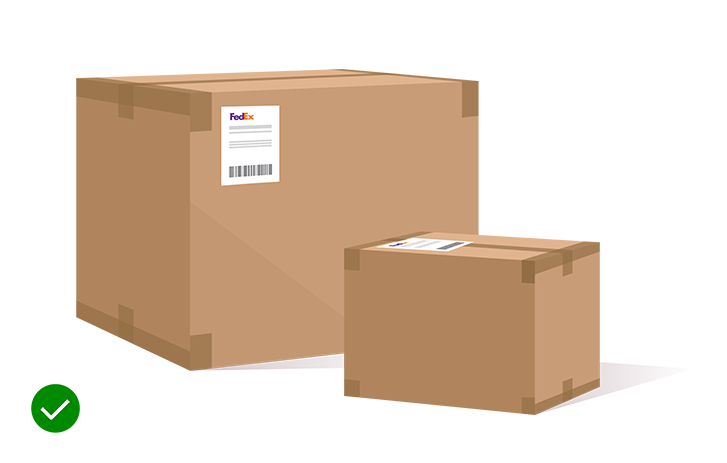
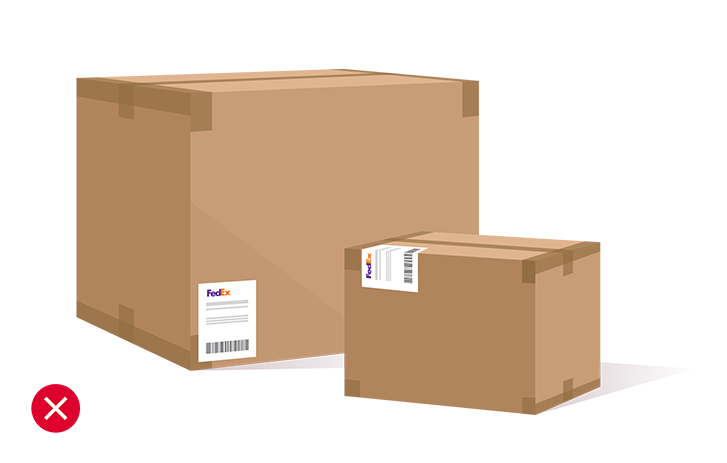
Illustration of an two packages with labels placed properly and a green check mark

Illustration of two packages with shipping labels placed incorrectly and a red X mark

Remove old labels and barcodes if you’re reusing a box.
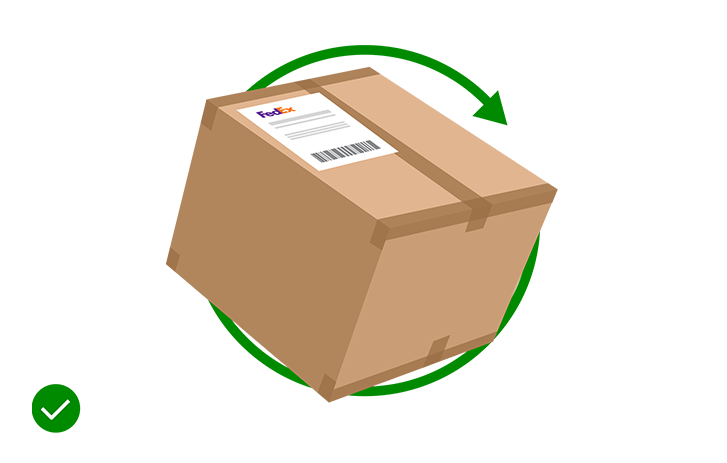

Illustration of a used package with no old labels and a green check mark

Illustration of used package with old stickers and a red X mark

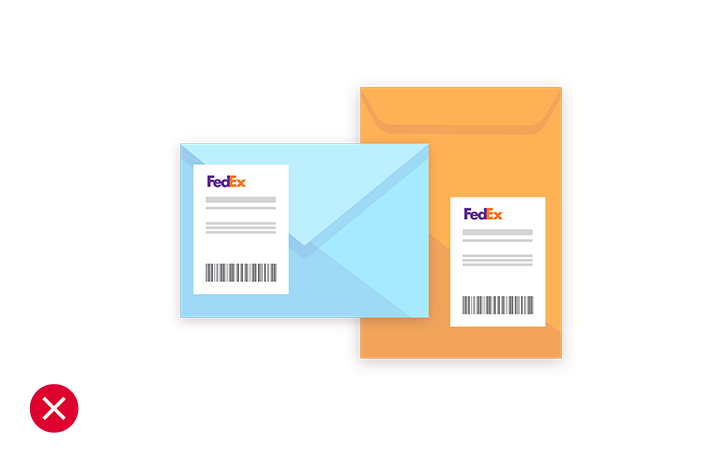
Place the label on the smooth front side of envelopes or poly mailers
Don't attach labels to the back where the flap seals 
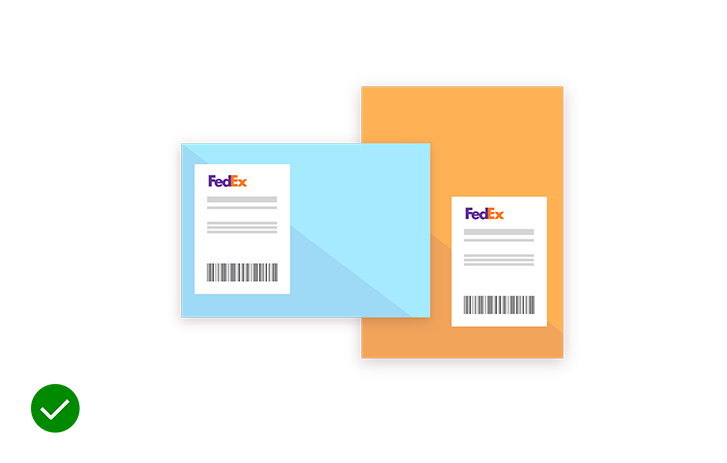

Illustration of an two envelopes with labels on the front side and a green check mark

Illustration of two envelops with labels on the back side and a red X mark

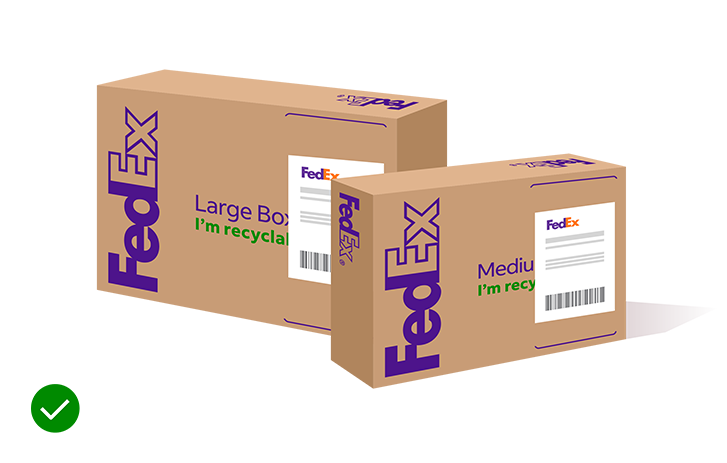
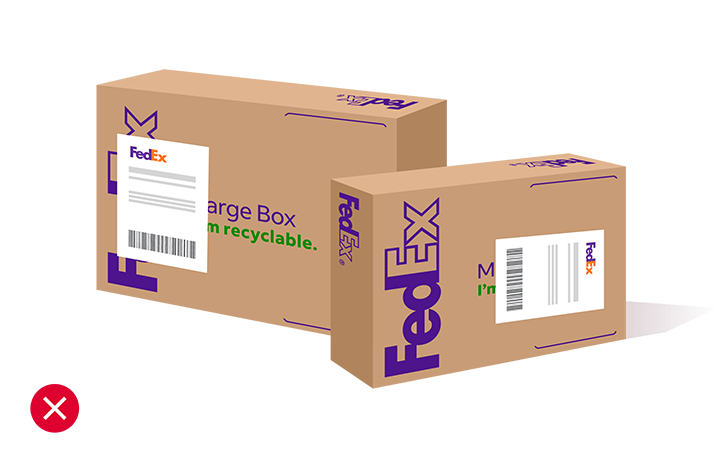
Use the designated area to attach the label
on FedEx-branded packaging and envelopes


Illustration of a FedEx packages with labels in designated areas and a green check mark

Illustration of a FedEx packages with labels not in designated areas and a red X mark

Why should I avoid covering label details with tape?

The tape’s shiny surface can reflect light and make the label barcode difficult to scan. This can happen even with transparent tape, so avoid covering any label information with tape.

How do I label small boxes?

If you’re using a small box, make sure your label is large enough to read, but small enough to lie flat on one side without folding around the edges.

How do I label a tube or bucket?

For tubes, buckets and irregular-shaped items, place the label on the largest flat side. Choose a spot where it’s clearly visible and unlikely to peel off or be damaged.

How do I label a package for international shipping?

You can label international shipments the same way as domestic ones. International labels just include extra customs information. If additional customs documents are required, you may need to use a plastic air waybill pouch.

Do I need to add additional labels?
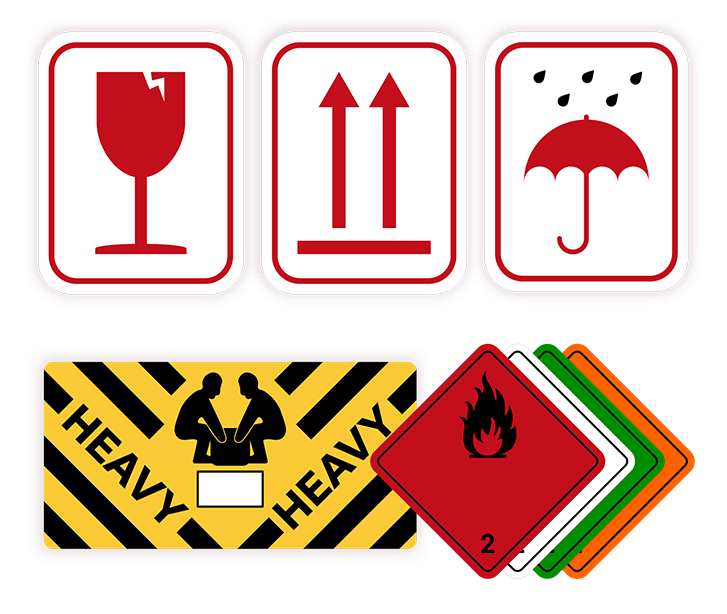
Collection of special handling or safety stickers for packages

For special handling or safety reasons you may need to attach extra labels to a package. These can include:

  • ‘Fragile’ or ‘Handle with care’ labels for fragile items
  • ‘This way up’ arrow labels for items kept upright
  • ‘Keep dry’ labels for moisture-sensitive goods
  • ‘Heavy’ or ‘Lift with care’ labels for packages over 15kg
  • Dangerous goods diamond labels for dangerous goods

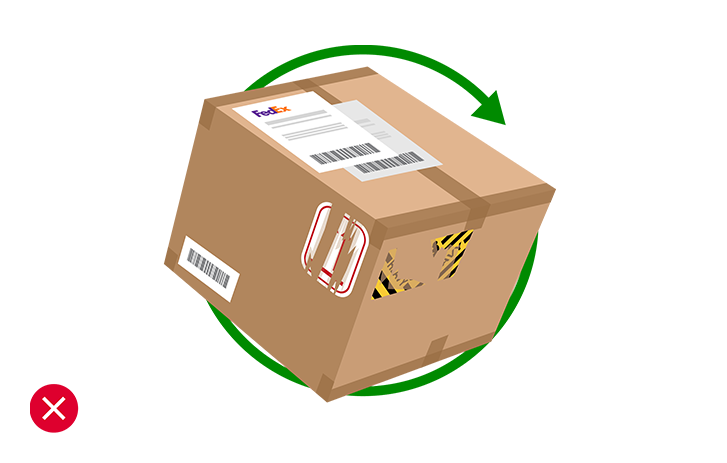
Be sure to orientate these labels in the right direction and avoid wrapping them around box edges.


A final check to avoid delays

If your label falls off or can’t be scanned, your package goes to a recovery department where a new label will be printed or your shipment opened to find the spare label. This leads to delays. So always check labels to make sure they’re firmly attached and easy to read and scan.

For more tips, see how to avoid common packing mistakes.


SHARE


Make sure to check the rules and regulations of the country you're shipping from and prior to shipping. You can find this information on government websites.

Sender icon
Sender icon
Sender icon

Start shipping with FedEx

Take advantage of great savings and get your shipments moving.