

Shipping a large or oversized item is about more than finding a box that’s big enough. Size, shape, weight and destination determine which services are available and the final price.
What counts as a "large" or "heavy" item?
There's no industry-wide definition for what counts as a large or a heavy shipment. Each carrier sets its own limits based on weight, longest side, volume and shape, to determine if standard sorting equipment can handle the item safely.
When you ship with FedEx:
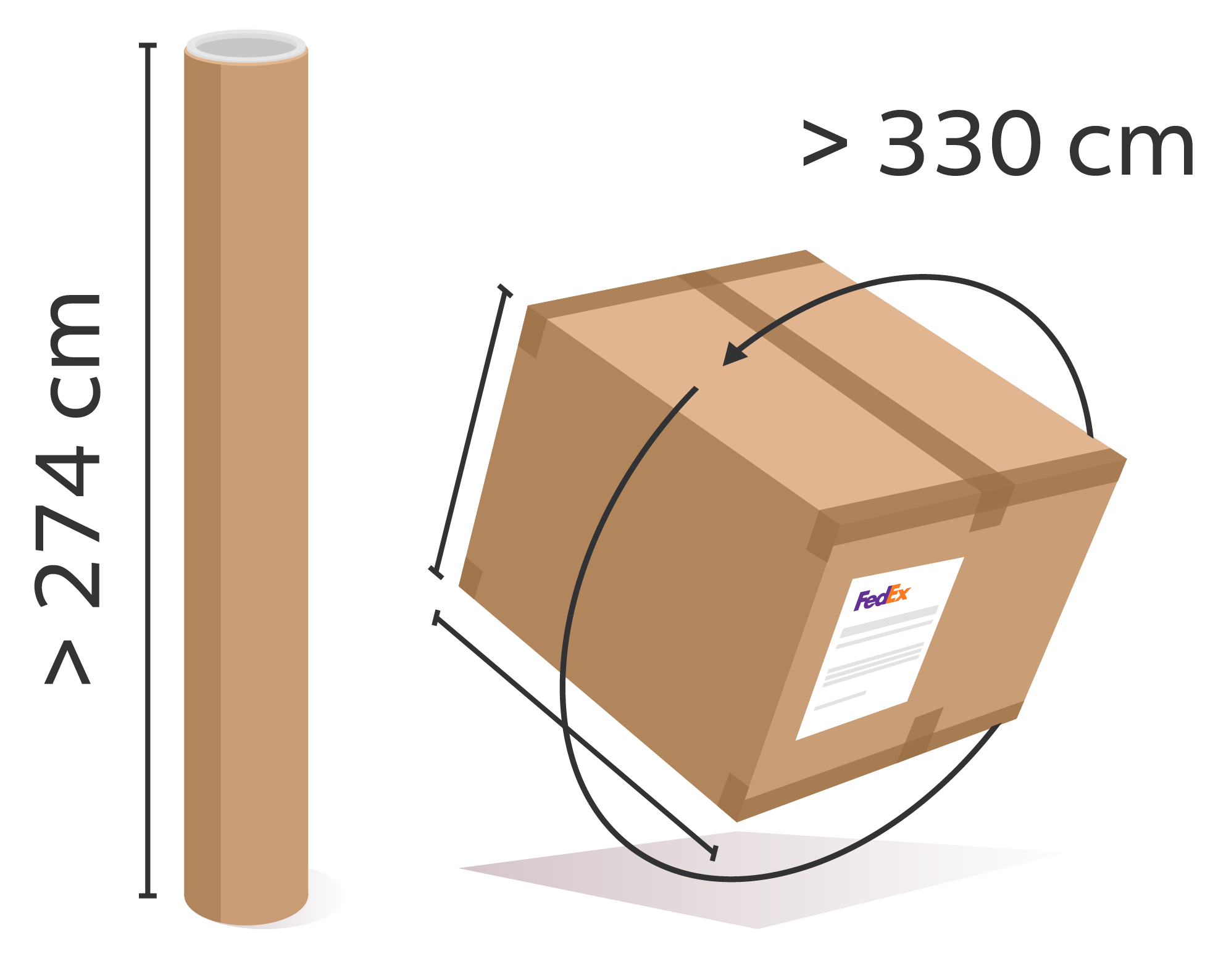
If your parcel is longer than 274 cm or has a combined length and girth over 330 cm
It will be considered large and may incur additional costs
How to calculate girth: (Width + Height) x 2 = Girth
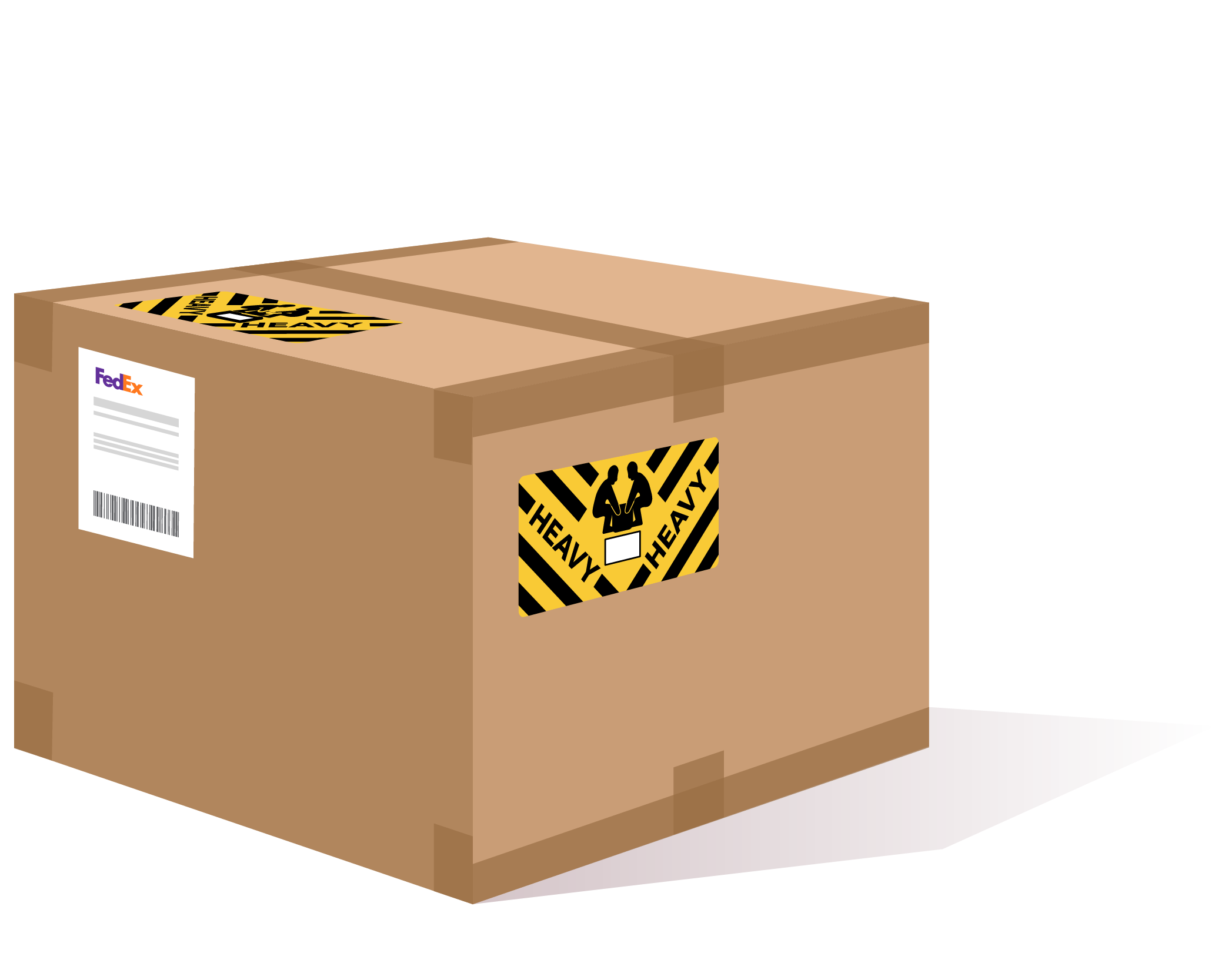
If your shipment is over 34 kg
It’s considered heavy. It’ll require extra care when handling and should be marked accordingly using two heavyweight stickers
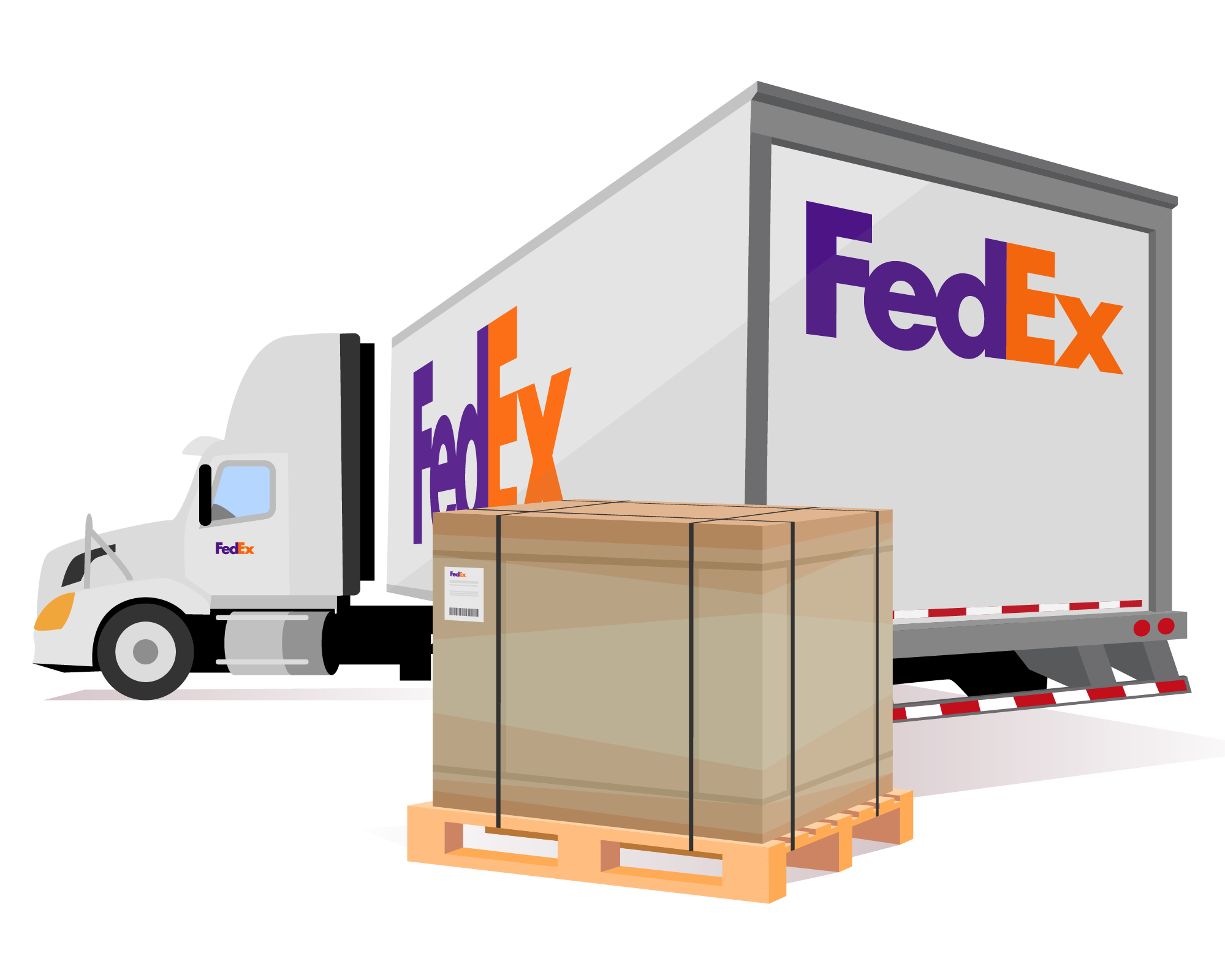
A single package over 68 kg is considered freight, as it exceeds our maximum weight for a single item. Divide it into multiple packages, if possible, or use FedEx Freight Shipping Services to send it
It's not all about weight
Bulky but lightweight items like lampshades, foam products and sports equipment can still take up valuable space in a van, aircraft or sorting facility, and might be priced by dimensional weight.
Dimensional (or volumetric) weight measures how much space a package occupies relative to its actual weight. You'll be charged based on whichever is greater — dimensional or actual weight.
Shape matters too: tubes, cylinders, exposed metal parts and irregular shapes can roll, snag or be hard to stack, triggering extra-handling rules even under the weight limit.
Why does shipping a large or heavy item sometimes cost more than expected?
Extra care or handling needs can add surcharges to the base price. Large, irregular or heavy parcels often can't be handled by a regular courier and may require special transport or loading assistance, incurring an additional fee.
To avoid being charged extra for measuring or packaging mistakes remember to:

Use the right box: An oversized box inflates dimensional weight, so choose the smallest box that safely fits the item and padding.
Measure precisely: Measure the parcel, not the item, including bulges, handles and protruding parts. Keep in mind that your parcel may be re-measured after collection, and prices can change if our figures differ from yours.
How can I prepare for unexpected issues when shipping large or heavy items?
If your shipment can be divided, splitting it into smaller parcels may be cheaper for some destinations, though handling fees apply per package.
In other cases, stacking multiple, separately packed goods on a pallet as a single freight shipment may be an easier and more cost-efficient solution.
Consider pickup and delivery access. Stairs, narrow entrances, or the need for a forklift or pallet truck can cause problems. Confirm access beforehand to avoid them.
How do I package a large or heavy item to avoid damage?
Shipments must withstand vibration, stacking and repeated handling, so use new undamaged boxes, wrap detachable parts separately and use fillers corner protection to stop surfaces rubbing or scratching.
For fragile items like glass or mirrors: protect the face with film or a protective layer, add rigid foam/board and corner protectors, box it snugly inside a cushioned outer carton to prevent movement, and use a purpose-built crate for high-value or especially fragile pieces.
How do I ship a large item internationally?
International shipments must clear customs, and large items may face longer transit times due to extra handling. Check export and import rules beforehand. Items like laptops with lithium batteries, chemicals, untreated wood, or plant/animal products may need extra documentation or be prohibited.
Prepare accurate paperwork (commercial invoice, packing list, air waybill, and sometimes a certificate of origin or power of attorney), and agree in advance who covers taxes and duties.
Shipping large items in a nutshell
Smooth shipping starts before the courier arrives. Accurate measuring, safe packaging and correct paperwork reduce damage, delays and unexpected charges.
Shipping resources
Discover flexible, reliable air and road services for shipments over 68 kg.

SHARE


Make sure to check the rules and regulations of the country you're shipping from and prior to shipping. You can find this information on government websites.
Start shipping with FedEx
Take advantage of great savings and get your shipments moving.