
What Is Social Commerce, And How Can SMEs Turn Social Media Into Sales?
By Dennis Velasco | First published: August 13, 2021 Updated: March 13, 2026
Social commerce is changing how people discover and buy products online. Here’s what SMEs should know about creating a seamless experience, from social storefronts to same-day delivery.
- Social commerce enables customers to discover, purchase, and interact with brands directly on social media platforms, making it one of the fastest-growing e-commerce channels.
- To succeed in social commerce, businesses must provide seamless purchasing journeys, personalized interactions, and responsive customer service.
- Reliable logistics, including flexible delivery options and shipment tracking, is essential for maintaining customer trust.
Scrolling through social media has become a shopping experience.
From TikTok product demos to Instagram checkout buttons, consumers across Asia Pacific (APAC) are increasingly buying products directly on their favorite social apps. This trend, known as social commerce, is quickly reshaping e-commerce strategies across the region.
What is social commerce, exactly?
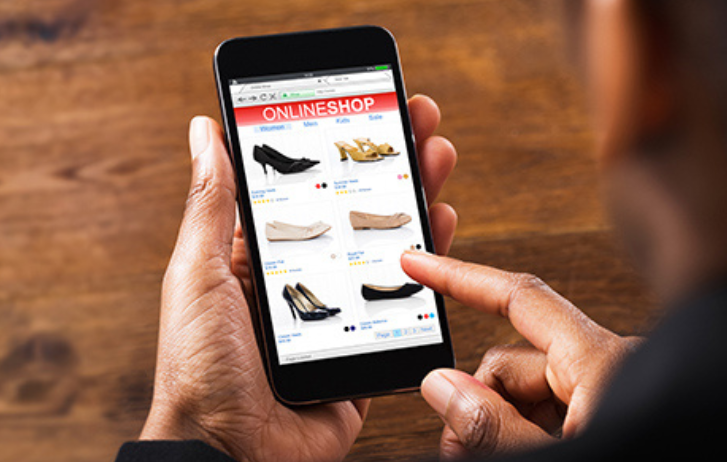
In simple terms, social commerce refers to buying and selling products directly through social media platforms. Instead of clicking away to a separate website, customers can discover products, chat with sellers, place orders, and track deliveries without leaving the app. Here, social media platforms double as marketing channels, storefronts, and customer service hubs.
APAC has one of the world’s fastest-growing social commerce landscapes. Expanding at a CAGR of 8.1%, the region’s social commerce market is predicted to reach around USD 925.43 billion by the end of 2030. Mobile-first consumers, the rising adoption of digital payments, and a dynamic ecosystem of social e-commerce platforms – including TikTok Shop, Instagram, and Facebook Marketplace – are propelling this growth.
Yet selling through social platforms also raises new expectations. Customers now expect quick responses, flexible delivery options, and an effortless buying journey. For SMEs exploring social commerce, success often comes down to these four key factors.
1. A seamless social shopping journey
Unlike traditional marketplaces, many social commerce platforms do not automatically integrate order fulfillment or shipping workflows. Instead, sellers often need to connect multiple tools – such as messaging apps, payment systems, and logistics providers – to manage the purchase journey.
This makes the overall buying experience critical. Customers may discover a product through a livestream, ask questions via chat, and finalize their purchase through a payment link. Any friction along this path – such as confusing checkout steps, unclear delivery timelines, or slow responses – can cause them to abandon the order.
Cart abandonment significantly impacts the bottom line for APAC e-commerce merchants. It accounts for almost 40% of total leakage, costing sellers USD 28.53 billion in lost revenue annually.
To reduce cart abandonment and recover sales, businesses should map out the full shopping journey from discovery to delivery:
- How do customers discover products?
- How do they ask questions or confirm availability?
- How is payment completed?
- What happens after an order is placed?
Each platform works differently. For example, TikTok Shop transactions may happen entirely within the app, while Facebook or Instagram purchases may rely on external checkout tools or direct messaging. Understanding how each platform works – and designing a smooth shopping experience around it – helps businesses convert interest into sales.

2. Personalized shopping experiences
One reason social commerce performs so well is that it feels personal. Consumers often interact directly with brands through comments, livestream chats, and direct messages. This creates opportunities for small businesses to build stronger relationships with customers.
Simple touches can go a long way to help brands stand out in crowded social feeds, such as:
- Responding quickly to questions through social messaging
- Providing tailored product recommendations
- Offering referral discounts or loyalty rewards
- Including personalized thank-you notes in packages
When done well, personalization can increase repeat purchases and encourage customers to share positive experiences with their networks.
One key opportunity lies in unboxing videos. With video commerce making up one-fifth of Southeast Asia’s total e-commerce value, unboxing videos have become a powerful tool for branding and personalization. Because of their entertainment value, 70% of consumers subscribe to channels that regularly post unboxing videos, while 52% of viewers purchase a product immediately after watching.
Brands can leverage this trend by sending memorable, personalized packaging that shoppers just can’t help but share online. This is especially true for high-fashion and beauty brands, which often already feature eye-catching packaging. By adding free samples and other personal touches, sellers can delight shoppers with a better unboxing experience.
3. Responsive customer service
Social media has changed how shoppers interact with businesses: 80% use it to reach out to brands for customer service. And consumers can no longer wait days for a response – they expect brands to respond within 24 hours or sooner, whether through Instagram messages, TikTok comments, or live chat.
Responsive customer service builds trust and keeps potential buyers engaged during the decision-making process. This includes:
- Responding promptly to product inquiries
- Providing order updates
- Addressing delivery questions
- Communicating clearly about stock availability or delays
Delivery speed has also become increasingly important for customer satisfaction. Across many Asian markets, fast fulfillment is now a key differentiator for e-commerce businesses, with same-day and next-day delivery options influencing purchase decisions.
But even when immediate delivery isn’t possible, transparent communication helps manage expectations and reduce uncertainty. Providing accurate shipment updates and estimated delivery times can greatly enhance the customer experience.

4. A strong delivery and fulfillment strategy
Behind every successful social commerce sale is a reliable fulfillment process.
Unlike traditional e-commerce marketplaces, which provide built-in logistics solutions, many social sellers manage shipping independently. That makes it crucial to choose the right courier service or logistics provider, including same-day options where available.
Reliable delivery support allows businesses to scale their social commerce operations while maintaining a smooth customer experience. Here are a few key capabilities SMEs should look for:
-
Flexible shipping options. Customers increasingly want choice. Offering options such as next-day, scheduled, or same-day delivery can help businesses meet different expectations.
-
Cross-border shipping solutions. Social media allows brands to reach buyers internationally. Logistics providers with global networks can help businesses expand beyond domestic markets and sell more confidently across borders.
-
Integrated order management. Shipping tools that integrate with online stores and social platforms make it easier to manage orders, generate shipping labels, and track deliveries.
-
Shipment visibility. Customers want transparency about where their orders are. Shipping solutions that provide tracking features can increase confidence in the delivery process.
Turning social commerce into long-term growth
Across APAC, social commerce has become a full-fledged sales engine for small businesses. Social platforms are evolving into integrated ecosystems where product discovery, customer engagement, and purchasing all happen in one place.
To succeed, SMEs must look beyond simply posting products on social media. The most effective social commerce strategies combine engaging content with responsive customer service and timely fulfillment. By creating seamless buying journeys, personalizing interactions, and investing in reliable logistics solutions, your brand can convert social engagement into long-term growth.
***
Learn how FedEx can support your e-commerce business with convenient and flexible shipping solutions here.
SHARE THIS STORY


Trending Topics
Most Popular
- 85% Of APAC Businesses Plan To Expand Into Europe, According To New FedEx Report
- Generative AI: A New Frontier
- How To Ship A Giant Panda
- The Rise Of Intra-Asia Trade: Opportunities In The China-Southeast Asia Corridor
- Where Do Old Planes Go When They Retire?
- What’s So Dangerous About Coconuts? Your Guide To Dangerous Goods Logistics

Sign up now and save on your shipping rates!
Sign up now and earn discounts by shipping instantly with FedEx Ship ManagerTM at fedex.com.
Recommended For You

5 E-Commerce Features That Make Your Online Store Stand Out From The Crowd
Get ahead of your competition and drive sales growth with these 5 powerful e-commerce features, from user-friendly design to smarter delivery options.
Read More
Singapore E-Commerce Trends: What SMEs Should Know To Stay Competitive
Looking to drive e-commerce growth in Singapore? Explore the latest e-commerce trends SMEs need to know, from social commerce to smarter delivery.
Read More
How To Grow Your E-Commerce Brand With The Power Of Shoppertainment
Shoppertainment is a powerful blend of e-commerce and entertainment that’s winning consumers’ hearts. How can your brand use it to drive growth?
Read More