Moving The Technology That Keeps Asia Connected: How FedEx Supports TXC’s Supply Chain Management
By FedEx | November 26, 2026
Crystal oscillators are smaller than a grain of rice, but these tiny components help AI servers, 5G networks, and other technologies run on time. As a major supplier of crystal oscillators, TXC relies on FedEx to keep its time-sensitive shipments on schedule and support efficient supply chain management across Asia.
- TXC supplies frequency control products for AI infrastructure, 5G networks, smartphones, and automotive electronics, serving interconnected technology markets across Asia.
- Since 2001, FedEx has supported TXC with cross-border shipments, connecting TXC’s manufacturing operations to regional technology hubs through reliable express delivery.
- Today, shipments from TXC’s Ningbo facility begin their journey in FedEx electric vans – part of an all-electric fleet of 48 pickup and delivery (PUD) vehicles expected to reduce annual fuel consumption by 148 tons.
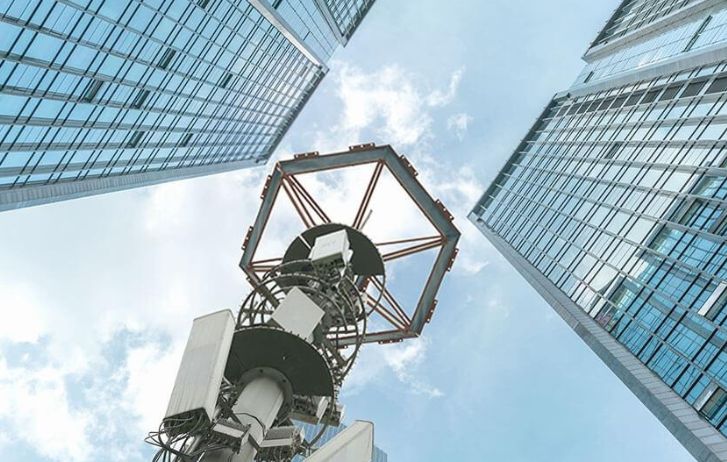
In the digital world, timing is everything. A fraction of a second can determine whether an AI server processes massive volumes of data without interruption, whether high-speed networking equipment transfers data accurately between GPUs, whether a 5G network maintains a stable connection, or whether a navigation system pinpoints the correct location.
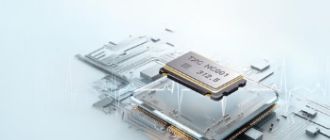
Behind these systems is a component most people never notice: the crystal oscillator. Smaller than a grain of rice, it generates the precise timing signals that help electronic devices operate reliably. For this reason, it’s often dubbed the “heartbeat” of electronic systems.
As technologies such as AI, 5G, connected vehicles, and the Internet of Things (IoT) transform industries, crystal oscillators have become an essential building block of the digital economy. For TXC Corporation, a leading producer of crystal oscillators, this places its products at the center of some of today's fastest-growing technology ecosystems.
Yet, precision doesn’t stop with the product. From manufacturing to delivery, critical electronic components must move through the global supply chain with an equally high level of accuracy and reliability. As TXC expands across Asia, it needs a logistics partner that can transport high-value, time-sensitive shipments across borders and support efficient supply chain management. For nearly 25 years, FedEx has helped make that possible.
Growing alongside Asia's technology boom
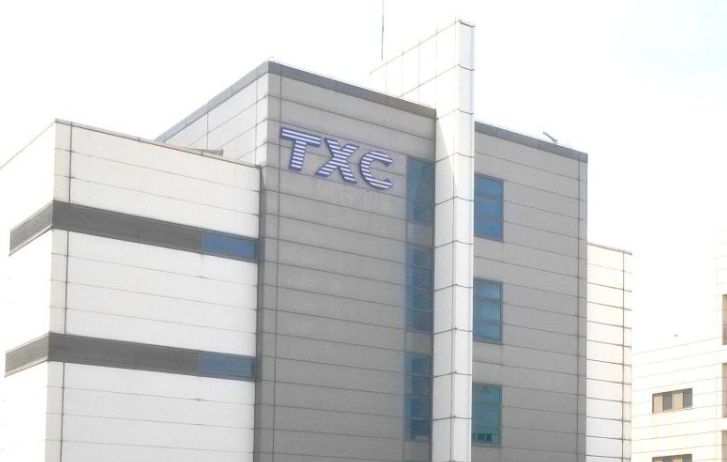
Founded in Taipei in 1983, TXC has become a major supplier of crystal oscillators, holding an estimated 10% to 12% share of the global market. Today, its components support a wide range of applications, from AI infrastructure and 5G networks to smartphones and automotive electronics.
The company's growth mirrors Asia's rise as a global electronics manufacturing hub. To stay close to customers and production facilities, TXC established its manufacturing base in Ningbo in 1999 and later expanded its presence across mainland China and other markets.
Today, Asia’s semiconductor supply chain and broader electronics industry span multiple markets, with design, component manufacturing, assembly, and testing often occurring in different locations. Components routinely cross borders several times before reaching their final application.
For example, crystal oscillators manufactured at TXC's Ningbo facility may eventually be integrated into networking equipment, AI servers, telecommunications systems, or automotive electronics assembled elsewhere in the region. This highlights the highly interconnected nature of Asia's technology supply chains.
In a dynamic global supply chain, keeping critical components moving efficiently is just as important as manufacturing them. FedEx began supporting TXC's logistics operations in 2001, connecting its manufacturing sites with technology hubs and customers across Asia through international shipping services and tailored operational support.
Connecting the intra-Asia supply chains behind innovation
Consider a batch of crystal oscillators ready to leave TXC’s Ningbo facility. Once workers prepare the shipment, a FedEx courier collects the packages for transport. Within days, these tiny components may arrive at a networking equipment manufacturer in Vietnam or another electronics production hub in Asia.
This journey offers a glimpse into the complexity of today's technology supply chains. An AI server may rely on chips fabricated in Taiwan, semiconductor materials sourced from Japan, electronic components manufactured in mainland China, and assembly operations located elsewhere in Southeast Asia. When production spans multiple markets, reliable logistics is crucial to transporting components across borders with minimal delay and keeping manufacturing schedules on track.
Asia Pacific's central role in semiconductor manufacturing and electronics production also means that supply chain disruptions rarely remain local. A delay from one supplier or along a major trade lane can affect businesses farther down the chain. For companies like TXC, supply chain resilience depends on keeping critical parts moving with speed, security, and clear shipment visibility.
To strengthen supply chain resilience, TXC relies on FedEx’s extensive regional network and local operational support. FedEx International Priority helps connect TXC's manufacturing operations in Ningbo with major semiconductor clusters and technology hubs across the region, delivering shipments in as little as one to two business days. This connectivity supports the efficient movement of high-value, time-sensitive components across APAC’s technology ecosystem.
Precision beyond transportation
For a shipment of crystal oscillators, reaching its destination is only part of the journey. As customers place greater emphasis on sustainability and supply chain resilience, reliable electronics logistics today involves far more than delivering components on time.
In August 2026, FedEx launched its first all-electric pickup and delivery fleet for daily operations at its Ningbo station. The 48-vehicle fleet is expected to reduce annual fuel consumption by around 148 tons. Every day, shipments collected from TXC's facility begin their journey in these vehicles before entering the broader FedEx network.
The fleet offers practical benefits for precision logistics. Crystal oscillators are sensitive to environmental conditions such as moisture and vibration, and the smooth operation of electric vehicles provides an additional layer of protection during the first stage of transit.
This electrification also supports TXC's sustainability ambitions and aligns with Ningbo's broader push toward new-energy transportation and lower-carbon logistics, reflecting a wider transition toward more sustainable supply chains across the region.
The local FedEx team works closely with TXC on day-to-day shipping requirements, supported by digital tools that enhance supply chain visibility and responsiveness. Together, these capabilities help keep critical components moving reliably across the supply chains that power the digital economy.
Delivering what keeps the world connected
Most people will probably never see a crystal oscillator. Yet, billions of people rely on this tiny component to power the technologies they use every day.
For nearly 25 years, TXC and FedEx have worked together to move frequency control products and strengthen the supply chain management behind such critical components. From supporting the growth of electronics manufacturing to enabling the next generation of AI-driven innovation, this partnership has evolved alongside the region's technology ecosystem.
From a single crystal oscillator produced in Ningbo to a finished device used elsewhere in Asia, every shipment helps connect the ecosystems that power today's digital world.
SHARE THIS STORY



Trending Topics
Most Popular
- 85% Of APAC Businesses Plan To Expand Into Europe, According To New FedEx Report
- Generative AI: A New Frontier
- How To Ship A Giant Panda
- The Rise Of Intra-Asia Trade: Opportunities In The China-Southeast Asia Corridor
- Where Do Old Planes Go When They Retire?
- What’s So Dangerous About Coconuts? Your Guide To Dangerous Goods Logistics

Sign up now and save on your shipping rates!
Sign up now and earn discounts by shipping instantly with FedEx Ship ManagerTM at fedex.com.
Recommended For You
Enhancing Semiconductor Logistics With Digital Intelligence
FedEx worked with Micron to apply advanced data insights to semiconductor supply chains, transforming logistics in an industry that powers the world.
Read More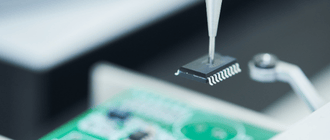
How Semiconductor Supply Chains Are Strengthening Resilience
Multi-hub production networks, integrated security, and ecosystem collaboration – we unpack the latest trends reshaping semiconductor supply chains.
Read More
How To Ship Semiconductors Safely With The Right Supply Chain Strategy
Semiconductor supply chains face increasing risks and uncertainty. Learn how your business can ship semiconductors safely and efficiently.
Read More