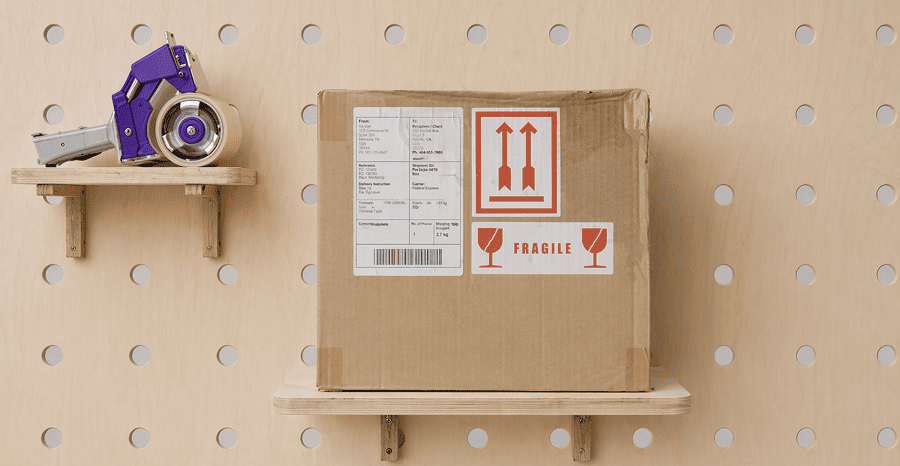


Pack with confidence
Good packaging helps your shipment arrive safely and on time. Discover the most common packing mistakes and simple ways to prevent them.
Why does packing a parcel properly matter?
When you send a parcel, you expect it to arrive without delays, not looking like it took the scenic route.
Proper packaging protects it during handling and sorting and helps reduce the risk of damage, delays and extra charges. Poorly packed parcels may be refused, held or returned, and FedEx may not accept liability* for damage in transit or delay.
Most packing problems start with a few avoidable mistakes. In this guide, we answer the most common packing questions and show you how to pack your parcels properly.
What are the most common parcel packing mistakes?
The most common mistakes are:
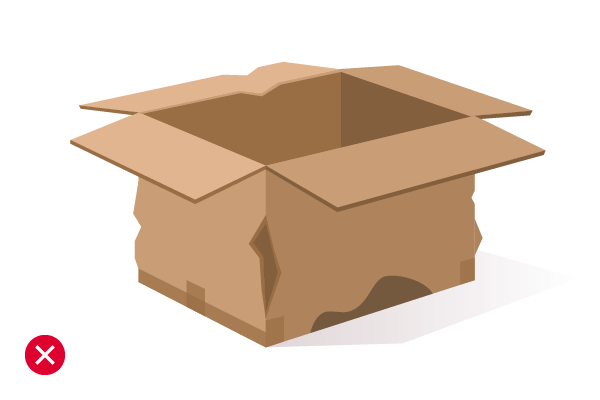 |
Using a weak, wet or damaged box |
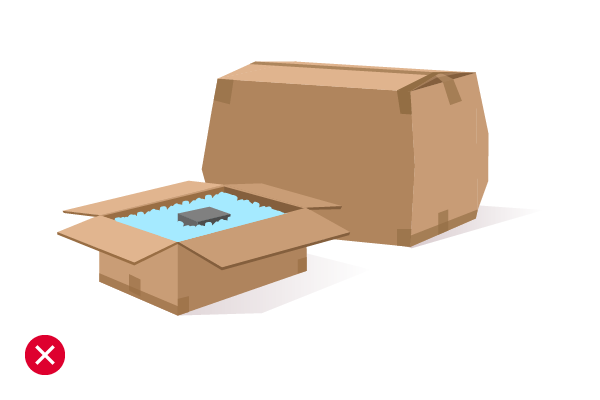 |
Choosing the wrong box size, leaving gaps or overfilling it |
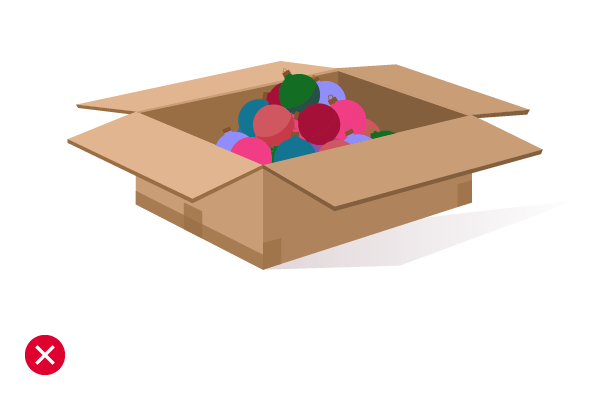 |
Failing to wrap and separate individual items |
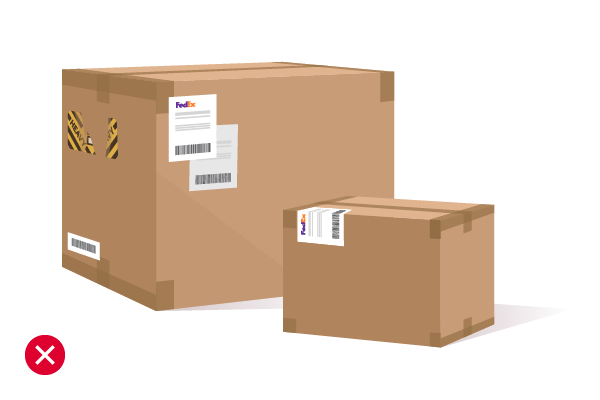 |
Leaving old labels on the box or attaching the new label incorrectly |
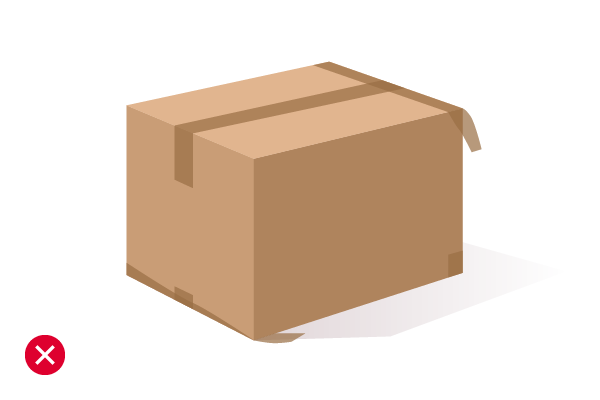 |
Using unsuitable tape or leaving box seams unsealed |
Keep those in check, and you’re already halfway there.
Can I reuse an old box to send a parcel?
Yes, but only if it’s sturdy, dry and undamaged, with all flaps intact.
Don’t use a box with holes, tears, crushed corners or other signs of weakness. Remove or completely cover old labels, barcodes and markings, as these can confuse sorting systems and delay your shipment. For fragile or heavy items, a new box is the safer choice.
What size box do I need?
Bigger isn’t always safer. Choose a box that is only slightly larger than the wrapped item, leaving some room for protective cushioning like wadded paper or packing peanuts.
Once packed, the box should close naturally and all its outer surfaces should remain flat and stackable.
How much cushioning is enough?
There is no one-size-fits-all answer. Use enough cushioning to stop the item touching the box walls or moving around.
For fragile items, use 8cm of cushioning between the item and the box. When double boxing, the inner box should be cushioned with approximately 8 cm of material on all sides.
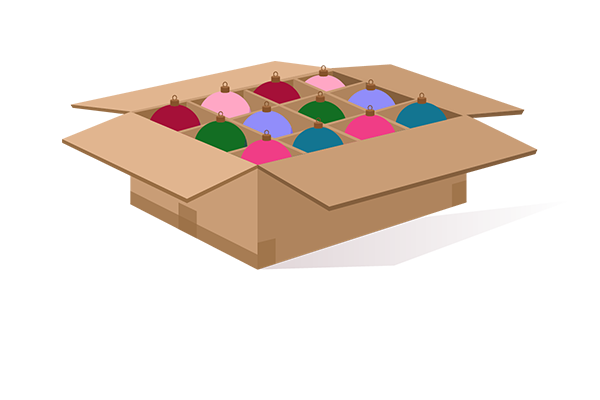 |
If you’re packing several fragile items or parts in one box, wrap each item individually and consider leaving enough cushioning between them. |
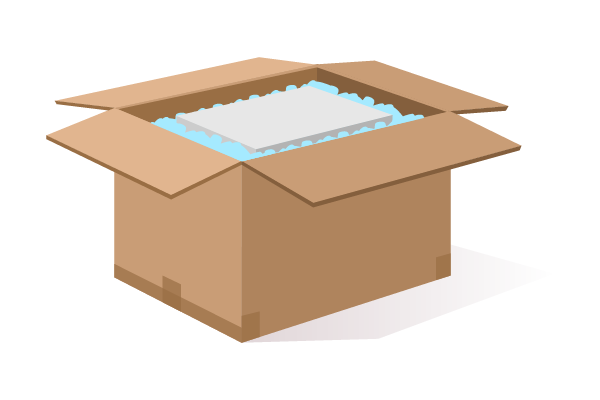 |
Bubble wrap, foam, crumpled paper and other suitable packing fillers can all be used, but the material should be strong enough to support the item’s weight. There should be no unfilled spaces, but the box should not be packed so tightly that it bows or bulges. |
As a final check, give it a gentle shake. If you can hear or feel something moving, add more cushioning.
What tape should I use?
Use purpose-made shipping tape that’s at least 5 cm wide, like pressure-sensitive plastic tape or water-activated reinforced tape.
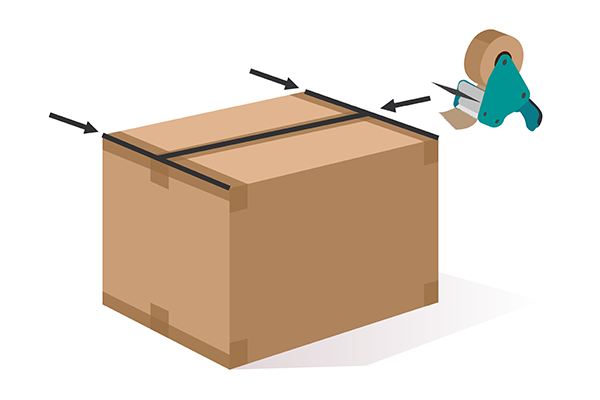 |
Seal the top and bottom of the box using the H-taping method, covering the centre seam and both edge seams. Don’t use household cellophane tape, duct tape, masking tape, string or rope. |
Final checks
Before sending your parcel:

Make sure to label it correctly
Measure and weigh it after it has been packed and sealed
If you’re shipment is large or weights over 34 kg, check our guide on shipping large and heavy items
*To learn more about FedEx liability policies, please see Article 22 of the FedEx Conditions of Carriage for Europe.
Shipping resources
Keep your shipment safe on its journey with the correct packaging.

SHARE


Make sure to check the rules and regulations of the country you're shipping from and prior to shipping. You can find this information on government websites.
Start shipping with FedEx
Take advantage of great savings and get your shipments moving.