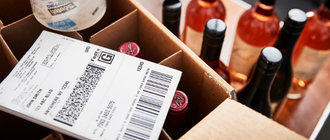
How To Ship Wine Internationally: A Guide To Customs Compliance, Costs, Cold Chain, And More
By FedEx | September 22, 2026
Wine can be delightful to drink, but difficult to transport across borders. Here’s everything you should know about international wine shipping, from documentation and packaging to temperature control and tracking.
- Wine shipments are often fragile, temperature-sensitive, and subject to different regulations across markets.
- International wine shipments generally require a commercial invoice, along with country-specific documentation such as certificates, licenses, and permits.
- Wine exporters and retailers need to account for market-specific duties and taxes, package bottles carefully, and choose a logistics provider like FedEx with wine shipping expertise.
As the saying goes, there’s a wine for every occasion. With billions of liters enjoyed each year, wine remains one of the world’s most consumed alcoholic beverages, second only to beer.
While savoring wine is certainly easy, shipping wine, however, comes with many challenges. As wine is transported around the world, it can be exposed to temperature fluctuations, vibration and shock, and even changes in pressure. Any of these conditions risk damaging the fragile bottle or spoiling its contents.
Wine shipments are also subject to strict regulations that vary across markets. From duties and taxes to essential documentation, wine shippers must understand the different requirements of each destination country.
Whether you’re a wine retailer, exporter, or collector, how can you ensure your precious cargo reaches its destination safely and successfully? Here’s a comprehensive guide to international wine shipping.
Is shipping wine legal? Start with the location.
The first step in international wine shipping is to check the rules that apply in both the origin and destination countries.
While shipping wine is legal in most markets, alcohol import restrictions vary significantly by country. Some countries, including Saudi Arabia, Kuwait, and Libya, prohibit or heavily restrict alcohol imports. In the US, state laws also vary, and some states restrict or prohibit direct shipments of alcohol to consumers. Utah, for instance, prohibits all direct-to-consumer wine shipments.
For businesses shipping across Asia Pacific (APAC), understanding market-specific nuances is particularly important. For example, Australian wine exporters may need an export license, product approval, shipping approval before exporting wine, depending on the shipment and applicable exemptions. Wine export charges may also apply to wine produced and exported from Australia.
The rules can also vary depending on whether the shipment is direct-to-consumer, for commercial purposes, or intended as a sample or gift.
To understand the legality and requirements for shipping wine, you need to specify:
- The origin and destination countries
- The type and quantity of wine
- Whether the shipment is commercial or personal
- Local alcohol import regulations
This information will determine not only whether the wine can be legally imported, but also the documentation, duties, and taxes that may be required.
Documentation requirements for shipping wine
International wine shipments generally require a commercial invoice, which should contain the following information:
- Quantity (e.g. 6 bottles)
- Quantity measurement (e.g. 750ml)
- Country of origin
- Producer
- Vintage, where applicable
- Wine type (i.e. red, white, still, sparkling)
- Alcohol by volume (ABV)
- Unit value (per bottle)
- Total value
- Whether the shipment is “For Personal Use” or a “Gift”, where relevant
Providing complete and accurate shipping information can help minimize customs clearance delays that put wine shipments at risk. Get started with FedEx’s sample commercial invoice.

Along with the commercial invoice, different countries may require additional paperwork. For example, wine shipments to China may require documents such as a Certificate of Origin and health or sanitation certificates, depending on the shipment and applicable customs requirements.
It’s also important to check the latest import regulations before shipping. Import requirements may include importer registration and other product-specific requirements. These rules can change over time, so staying up to date is essential for maintaining compliance.
The hidden costs of shipping wine internationally
Shipping fees are just one part of the costs involved in moving wine across borders. Exporters should also account for import duties and taxes on alcoholic beverages, import licensing fees, and other applicable charges. These costs vary depending on the destination, shipment value and quantity, as well as local regulations.
As wine is an alcoholic beverage, duties and taxes can be high. Some countries may impose special excise or luxury taxes on alcohol, or enforce strict licensing requirements to regulate alcohol imports and protect domestic wine industries.
How to keep wine safe during international shipping
As wine travels across the world, it can be exposed to physical shocks, temperature changes, and other conditions that may affect its safety and quality. Here are four measures you can take to help ensure safe delivery.
1. Use protective packaging
Wine should be packed in protective materials designed to keep bottles secure throughout their journey. Each bottle should have enough cushioning and separation to reduce movement and protect it from impact.
At FedEx, we recommend using pre-molded polystyrene inner packaging combined with a corrugated outer container to keep bottles securely in place. Molded pulp packaging or die-cut corrugated containers may also be suitable.
It’s helpful to check with your logistics provider about packaging requirements before shipping. Using suitable packaging from the outset can reduce the risk of accidents such as breakage or leakage.
2. Label correctly
In wine logistics, proper labeling helps ensure your shipment is handled and stored appropriately. Place your shipping label on the top of the box to ensure the package is handled in the correct orientation, as directional arrows may be missed. You should also label the shipment as fragile.
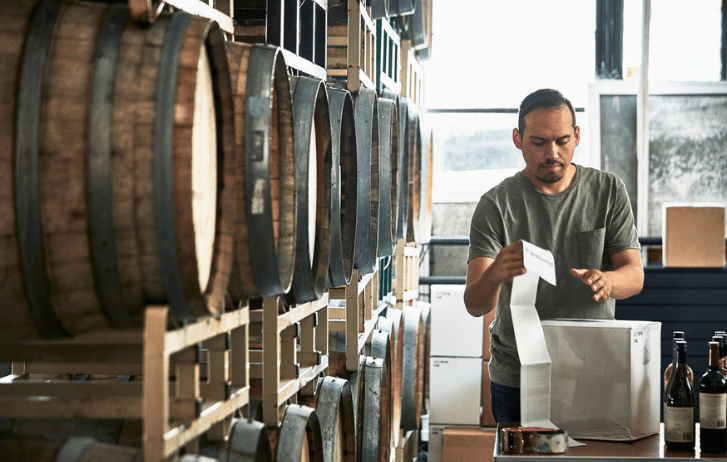
3. Opt for temperature-controlled packaging or cold chain logistics solutions
Wine is sensitive to temperature fluctuations. That’s why maintaining a stable temperature during international transit is essential to preserving its quality. The ideal temperature range for transporting wine is between 10°C and 20°C (50°F to 68°F).
Cargo holds and shipping containers can experience extreme temperature fluctuations that may contribute to issues such as cork movement or leakage. Excessive heat can also accelerate the ageing of bottled wine and lead to changes in its taste and overall quality.
For shorter journeys, temperature-controlled packaging solutions such as insulated containers or gel packs can help protect your wine from temperature fluctuations. If you’re shipping in hot climates or sending high-value wines, consider cold chain logistics solutions with onboard temperature monitoring and electrically powered cooling systems for extra peace of mind.
4. Opt for speed and reliability
Time is of the essence. The longer your wine spends in transit, the more opportunities there are for delays, temperature changes or handling issues – even when bottles are well packaged. Air transport offers shorter transit times and less exposure to temperature fluctuations, handling, and other potential risks.
Given the complexities of wine logistics, choosing a provider with customs clearance expertise and dedicated wine shipping specialists can help support a successful delivery.
A smooth journey for every bottle
International wine shipping involves more variables than simply moving a package from one point to another. Wine exporters need to consider regulations, documentation, costs, packaging, temperature and transit time at every stage of the journey.
At FedEx, we’ve developed specialized expertise and resources around wine logistics. For instance, our FedEx Wine Shipping Service offers a suite of resources covering international shipping information, documentation, and country-specific requirements for Australian exporters. We also offer customs clearance and packaging guidance to help businesses navigate the practical considerations of transporting wine across borders.
Whether you're shipping a few high-value bottles or managing a growing international operation, the right logistics support can help your wine move from cellar to customer safely.
SHARE THIS STORY



Trending Topics
Most Popular
- 85% Of APAC Businesses Plan To Expand Into Europe, According To New FedEx Report
- Generative AI: A New Frontier
- How To Ship A Giant Panda
- The Rise Of Intra-Asia Trade: Opportunities In The China-Southeast Asia Corridor
- Where Do Old Planes Go When They Retire?
- What’s So Dangerous About Coconuts? Your Guide To Dangerous Goods Logistics

Sign up now and save on your shipping rates!
Sign up now and earn discounts by shipping instantly with FedEx Ship ManagerTM at fedex.com.
Recommended For You

How Popular Is Australian Wine With Asian Consumers? An Exporter’s Guide
Importing or exporting Australian wine in Asia? Stay ahead of the market with trends, insights, and shipping tips for your wine shipments.
Read More
From Flowers To Frozen Foods: Difficult Items To Pack And How To Protect Them
Items like flowers, seafood, and electronics can be difficult to pack. Here’s how to prepare your sensitive packages for safe delivery.
Read More
Cold Chain Logistics: Best Practices To Ship Temperature-Sensitive Goods Safely
The right cold chain strategies can save your temperature-sensitive goods from spoilage. Learn how to manage risk with smart tools and support.
Read More