
How Cold Chain Logistics Is Transforming The Future Of Healthcare
By Chevy Beh | First published: July 20, 2020 Updated: October 29, 2026
From vaccine rollouts to advanced therapies and digital healthcare, cold chain logistics is transforming how medicines reach patients.
Discover the trends driving demand for temperature-controlled shipping and the future of the healthcare supply chain.
- In the healthcare industry, cold chain logistics supports the growing demand for temperature-sensitive biologics, clinical trial samples, and advanced therapies.
- Digital healthcare is changing the healthcare supply chain as virtual consultations, remote care, and medicine delivery increase the importance of reliable cold chain transportation.
- Temperature control, shipment visibility, and specialized handling help to protect product integrity, supporting clinical research and ensuring timely delivery to patients.
The global vaccine rollouts during the COVID-19 pandemic made cold chain logistics visible to almost everyone. But the bigger story came after the emergency, as temperature-controlled shipping became part of everyday healthcare infrastructure.
From biologics and clinical trial samples to medicines delivered closer to home, more patient journeys depend on products being kept within specified temperature ranges from origin to point of use. Cold chain transportation, once a specialist concern, has now become a core healthcare supply chain capability.
What cold chain logistics means for healthcare today
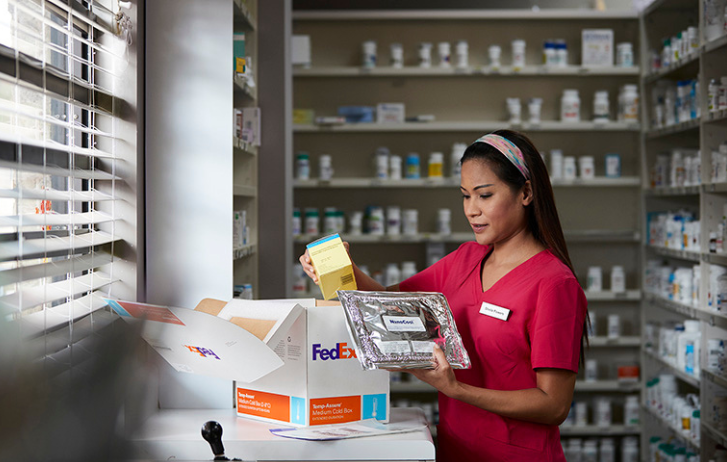
At its simplest, a cold chain keeps temperature-sensitive healthcare products within specified conditions during storage, handling, and transportation. It might sound straightforward, but in practice, it requires carefully controlled packaging, facilities, transport, monitoring, documentation, and handoffs.
Requirements can vary widely by product, but almost all vaccines used in immunization programs require storage between 2°C and 8°C. Some vaccines require frozen or ultra-cold storage, depending on their formulation.
The COVID-19 response put a spotlight on the vaccine cold chain. As the clock ticked on global vaccine rollouts, cold chain management came under extraordinary pressure, from manufacturing sites to clinics worldwide. Governments also faced the challenge of shipping large volumes of temperature-controlled vaccines to remote parts of the world that lacked sufficient infrastructure for vaccine storage.
The pandemic was a stress test that showed how closely patient access depends on logistics working as intended. More than six years after COVID-19 emerged, the lesson now extends well beyond vaccine rollouts.
Digital healthcare is creating a more distributed supply chain
As a healthtech entrepreneur, I believe in the importance of connecting those in need of medical solutions to healthcare professionals remotely. My team and I developed BookDoc, an end-to-end digital healthcare platform linking patients with healthcare professionals across Asia Pacific (APAC).
BookDoc was established in 2015, well before the pandemic. Malaysia was a natural launch market for us because it had the strong connectivity and high smartphone adoption needed to support digital healthcare. But the COVID-19 pandemic accelerated a shift already underway: more healthcare journeys can begin digitally, without patients first needing to visit a clinic.
This shift continues today, with 49% of health system executives globally expecting benefits from tech-enabled patient engagement and remote monitoring. And thanks to virtual care and remote monitoring, care is now moving from hospitals to the home and community.
Digital healthcare doesn’t make physical logistics disappear. Rather, it can make the last mile even more important. For example, a virtual consultation may lead to a prescription, an at-home diagnostic test, or even treatment delivered closer to the patient – all of which require efficient last-mile delivery.
Some of these products may even require cold-chain delivery. As digital healthcare takes off, seamless digital access and reliable physical fulfillment must work in sync to deliver timely patient care. Patients may never see the temperature-controlled packaging, monitoring, or contingency planning behind every delivery, but their health and wellness depend on it.

Advanced therapies are raising the bar for temperature control
In addition to growing supply chain complexity, healthcare products themselves are also becoming more complex. Biologics, biosamples, and cell and gene therapies can require tighter temperature ranges and more specialized handling than conventional medicines.
For example, the global cell and gene therapy market is projected to reach USD 76 billion by 2030. Scaling these therapies will require supply chains that can support specialized storage, cryogenic transport, precise chain-of-custody processes, and reliable delivery to treatment sites.
Clinical research is moving in the same direction. APAC has become a leading clinical trial region, with activity spreading beyond major cities into more remote locations. In fact, clinical trial activity in APAC is growing two to three times faster than in Europe.
For trial sponsors and biotechnology companies, this uptick in therapies and clinical trials creates more temperature-sensitive movements across borders. A delayed or compromised shipment can significantly affect patient treatment and trial results.
Visibility is becoming as important as refrigeration
Keeping a shipment cold is only one part of the job. Healthcare companies also need to know where sensitive materials are, whether deliveries are on schedule, and when intervention may be needed.
As visibility becomes as important as cold storage, monitoring technology is changing cold chain management. Near-real-time location tracking, proactive monitoring, and exception management can give teams more time to respond when a delivery is at risk.
This level of proactive intervention also requires robust infrastructure. For example, FedEx operates Life Science Centers in Singapore, Tokyo, and South Korea, along with more than 130 cold-chain facilities worldwide. In the event of shipping disruptions, these specialized facilities offer a temperature-controlled environment for safe storage of at-risk healthcare products.
What the cold chain needs to deliver next
As healthcare becomes more personalized, distributed, and digitally connected, products moving through the healthcare supply chain are also becoming more temperature-sensitive and time-critical, creating new demands on logistics providers.
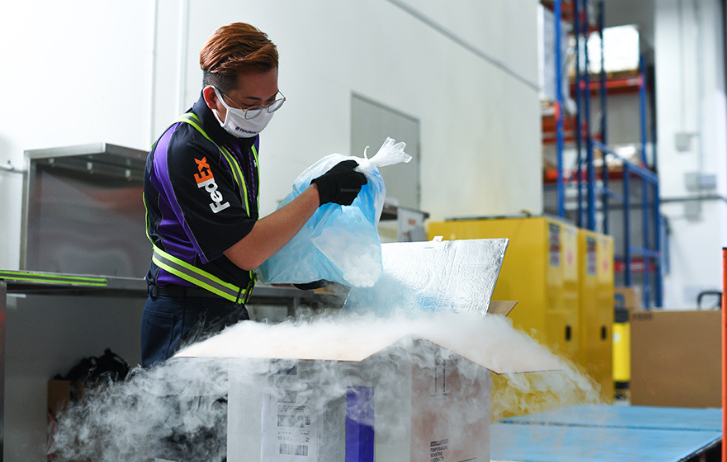
Cold chain transportation requires validated packaging, specialized handling, cross-border expertise, and monitoring technology that helps teams act before small issues become bigger ones. FedEx Clinical Care, for example, supports clinical materials with end-to-end services spanning dedicated transportation, validated temperature-controlled packaging, and near-real-time shipment visibility.
For healthcare companies, keeping a product cold from point A to point B may no longer be enough. The entire cold chain must be carefully optimized to support effective clinical trial research, more distributed care, and a better patient experience.
The COVID-19 pandemic showed the world what cold chain logistics could make possible under pressure. The next phase may be quieter, but it’s just as important: bringing that same level of precision that powered global vaccine rollouts to everyday healthcare delivery.
SHARE THIS STORY



Trending Topics
Most Popular
- 85% Of APAC Businesses Plan To Expand Into Europe, According To New FedEx Report
- Generative AI: A New Frontier
- How To Ship A Giant Panda
- The Rise Of Intra-Asia Trade: Opportunities In The China-Southeast Asia Corridor
- Where Do Old Planes Go When They Retire?
- What’s So Dangerous About Coconuts? Your Guide To Dangerous Goods Logistics

Sign up now and save on your shipping rates!
Sign up now and earn discounts by shipping instantly with FedEx Ship ManagerTM at fedex.com.
Recommended For You

Cold Chain Logistics: A Critical Enabler Of Biotechnology Breakthroughs
Sensitive goods like vaccines need cold chain logistics to survive in transit. Learn how Boryung BioPharma stays competitive by working with FedEx.
Read More
The Future Of Healthcare Supply Chains: Resilience, Innovation And Trust
Discover how you can reduce logistics risk and build a resilient, reliable healthcare supply chain in Asia Pacific..
Read More
How Clinical Trial Logistics Keeps Asia Pacific’s Research On Track
Clinical trial logistics supports life-saving research across APAC. Learn how healthcare shipping keeps trials moving amid complex challenges.
Read More