
How Automation Solutions Help B2B SMEs Trade Smarter And Grow Faster
By Lennise Ng | First published: January 19, 2023 Updated: February 20, 2026
As the B2B e-commerce market grows, so does competition. Enhanced digital tools such as automation can help SMEs scale up and seize opportunities faster.
- As B2B e-commerce gains traction in APAC, small businesses need smarter tools to streamline processes and compete in fast-moving digital markets.
- Automation solutions can help SMEs transform key business processes, from enhancing the customer experience to simplifying inventory management.
- Companies can tap solutions that are tailored to B2B needs and integrate seamlessly into the wholesale trade ecosystem.
In today’s digital-first era, it’s essential for businesses to establish a presence across both online and offline channels. Gone are the days when only a small fraction of the population had internet access. Asia Pacific (APAC) is now a booming digital economy with an estimated 2.87 billion internet users.
This widespread shift is reflected in how we buy, trade, and conduct business. My experience in running a B2B wholesale marketplace in Malaysia – a market with an exceptionally high internet penetration rate of 98% – has given me firsthand insight into how technology is fueling online commerce and trade across APAC.
As more businesses transform digitally, those that leverage the latest innovations will gain a critical advantage. Automation solutions, in particular, can be a game-changer for SMEs – enabling them to trade smarter and stay nimble in a fast-moving digital world.
The challenge of keeping up with fast-paced digital markets
While in-person sales have traditionally driven B2B growth, e-commerce is now the top revenue-generating channel for many B2B firms globally. With more buyers procuring and paying digitally, APAC’s B2B e-commerce market is set to grow rapidly at a CAGR of 22.45% between 2026 and 2031.
In response, B2B e-commerce businesses are actively building omnichannel retail strategies. Demand for smarter tools and platforms to keep up with fast-moving digital markets has never been higher.
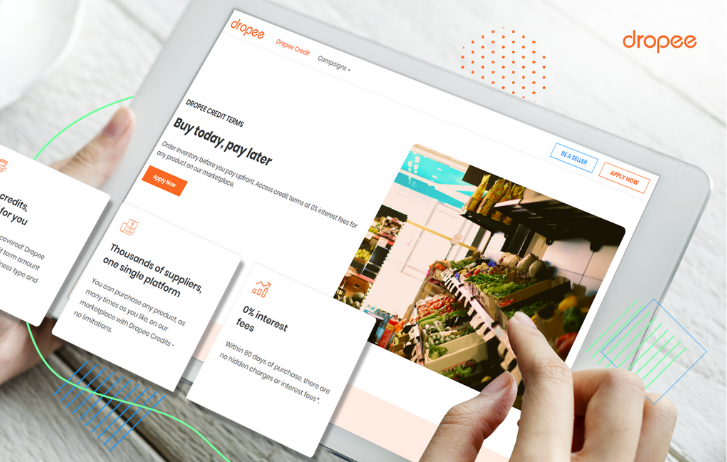
Many businesses, especially SMEs, need support with digitization. Some face challenges in planning and executing their digital transformation. Others have difficulty identifying technology solutions that streamline their business processes and enhance the customer experience.
Leveraging B2B e-commerce automation for business growth
These common challenges inspired me and my co-founders to launch Borong (previously known as Dropee) in 2017. We believed that the B2B buying and selling experience could be better.
Many small businesses were still using outdated systems for sales and inventory management, resulting in siloed and inconsistent information. As a result, SMEs often struggled to access the insights needed to enhance customer engagement, optimize stock levels, and manage cash flow.
Borong is a one-stop B2B e-commerce platform that integrates technology into the traditional wholesale trade ecosystem. We aim to simplify the wholesale experience and connect manufacturers, distributors, and retailers across the supply chain. Through Borong’s online marketplace, they can trade faster, smarter, and at a lower cost.
In addition to a digital marketplace, Borong features built-in SME automation solutions to streamline business workflows. As APAC’s automation-as-a-service market grows, businesses need tools tailored to B2B needs. Our experience with Borong shows that automation can help SMEs gain a competitive edge in several key areas.
1. Enhancing the customer experience
Advanced technologies are unlocking new levels of hyper-personalization in the B2C online shopping experience. For example, data analytics tools allow brands to analyze customer behaviors or preferences in real time and create highly individualized browsing experiences.
Increasingly, B2B buyers expect the same level of customer service. Globally, over half of B2B buyers say they would switch suppliers due to a poor digital customer experience.
What we’ve seen at Borong, however, is that not every distributor, wholesaler, or brand is equipped to provide a personalized customer experience for B2B sales. From customer outreach and engagement to repeat orders, businesses need to create a seamless ordering experience by integrating data across online and offline sales channels.
Automation reduces the time and resources required to personalize customer interactions. For instance, an online marketplace that uses predictive analytics to track purchasing patterns can automatically deliver tailored recommendations, helping businesses to drive sales. Another powerful example is automated ordering, which simplifies complex B2B transactions and encourages repeat business.

2. Simplifying stock control
Inventory management is a major pain point for SMEs, and the challenge only increases with the addition of new channels, locations, and stores. Smaller companies often lack the required manpower to perform manual stock-takes and monitor sales patterns. To scale successfully, SMEs need to adopt automation solutions to manage inventory across multiple channels.
Automated inventory management systems use connected technologies like RFID tags to track stock levels in real time. When stock is low, the system can alert procurement teams or automatically reorder goods. This saves time on tedious tasks like stocktaking, while reducing the risk of stockouts, which can frustrate customers and damage brand reputation.
What’s more, automation allows businesses to extract deeper insights from inventory data. SMEs can identify best-selling products that frequently run low and maintain higher levels of safety stock on hand.
Demand forecasting also becomes easier. With clearer visibility into stock levels, businesses can predict seasonal shifts in demand and respond accordingly. For example, a distributor in the B2B white goods market can track past spikes in dehumidifier sales across Southeast Asia and stock up ahead of the region’s rainy season.
3. Managing cash flow
Cash flow is one of the key factors that determine an SME’s life cycle. A steady cash flow allows companies to settle payments with suppliers on time, invest in research and development for new products, and seize growth opportunities.
Effective credit management helps business owners maintain their financial health and reduce the risk of negative cash flow. Traditionally, businesses relied on standard financing solutions such as bank loans. However, SMEs often face difficulty in securing loan approvals due to limited collateral and documentation. Lengthy approval processes can also delay funding, preventing businesses from seizing time-sensitive market opportunities, such as viral trends or limited-time discounts.
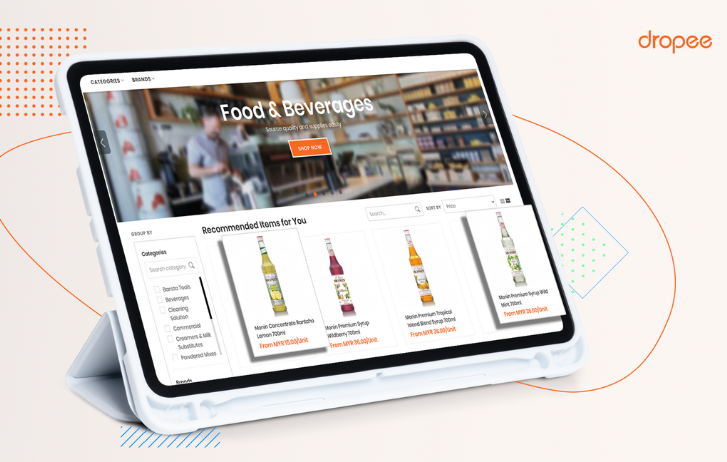
AI-powered automation is bringing new speed and flexibility to the financing process. Rather than relying on collateral to assess creditworthiness, AI tools can analyze real-time data from a wide range of financial signals, including transactions, invoices, supply chain relationships, and more.
This automated decision-making enables more SMEs to access alternative funding faster. For example, Borong offers automated credit financing services for SMEs to expand and grow, with fast approvals within 24 hours.
The future of e-commerce is now
The B2B e-commerce market is constantly evolving. To stay competitive, businesses need to make the most of opportunities as they emerge. Automation solutions empower SMEs to respond quickly to market shifts and customer demands.
Digital tools that automate supply chain processes don’t merely simplify operations. When harnessed well, automation can help small businesses unlock growth through data insights, alternative financing, and much more.
SHARE THIS STORY



Trending Topics
Most Popular
- 85% Of APAC Businesses Plan To Expand Into Europe, According To New FedEx Report
- Generative AI: A New Frontier
- How To Ship A Giant Panda
- The Rise Of Intra-Asia Trade: Opportunities In The China-Southeast Asia Corridor
- Where Do Old Planes Go When They Retire?
- What’s So Dangerous About Coconuts? Your Guide To Dangerous Goods Logistics

Sign up now and save on your shipping rates!
Sign up now and earn discounts by shipping instantly with FedEx Ship ManagerTM at fedex.com.
Recommended For You

How To Achieve Digital Transformation For Your Business In One Year
In a fast-evolving landscape, digital transformation is a must for SMEs to thrive. Here’s a roadmap to help you transform digitally in one year.
Read More
How To Streamline E-Commerce Delivery: 5 Proven Strategies For Small Businesses
From automation to cross-border shipping, here’s how small businesses can streamline e-commerce delivery and scale globally with fewer headaches.
Read More
How To Expand Your E-Commerce Business In 5 Key Steps
A successful market expansion strategy relies on meticulous research into market complexities, customer demand and operational readiness.
Read More