
Lunar New Year Logistics: How To Beat Bottlenecks And Keep Your Goods Moving
By FedEx | February 2, 2026
Whether or not you observe the Lunar New Year, this major festival creates ripple effects across global supply chains. Is your business ready to navigate this period successfully?
- The Lunar New Year period can create supply chain challenges as manufacturers shut down, shipping demand spikes, and logistics delays increase.
- Because these disruptions can last for weeks, businesses importing from Asia must plan strategically to avoid shortages or stockouts.
- Close collaboration with suppliers and logistics providers can help keep your operations on track.
The Lunar New Year isn’t just one of Asia’s biggest annual holidays – it’s also a major planning milestone for global supply chains. Factories suspend production, shipping schedules are disrupted, and millions of workers travel home to celebrate. For several weeks, business operations across the region slow down or stop altogether.
If your business imports from Asia, this holiday season can create logistical challenges. Proactive planning is essential to keep your supply chain running smoothly and avoid shipping delays.
Here’s everything you need to know about how the Lunar New Year can impact businesses, along with strategic tips to prepare for this period.
How does the Lunar New Year impact your supply chain?
Many countries across Asia celebrate the Lunar New Year, which marks the first new moon of the lunar calendar. While the holiday is widely observed, the name and customs vary: China, Hong Kong, Taiwan, Singapore, and Malaysia celebrate Chinese New Year. In Vietnam, this celebration is known as Tết, while in Korea, it’s called Seollal.
Though the exact date varies each year, the Lunar New Year typically falls between 21 January and 20 February. During this period, Asia’s major manufacturing and business hubs go on holiday, creating ripple effects on supply chains worldwide.
1. Manufacturing shutdowns
Many workers in the cities take time off to return to their hometowns, causing production lines to slow down up to a month in advance. During the Lunar New Year, factories cease operations for around 7 to 10 days, with some remaining closed for up to three weeks. Even after reopening, production may take some time to return to full capacity due to lingering labor shortages.
Without advance planning, your business may face shortages in raw materials or products. Meanwhile, delayed orders from suppliers in Asia may only reach you weeks after the festivities.
2. Higher shipping rates
In the weeks leading up to the Lunar New Year, shipping volumes rise as businesses rush to stockpile inventory and fulfill orders. This spike in demand drives up shipping costs, resulting in higher base rates or peak season surcharges.
Ocean freight rates can rise by 20-30%, and air cargo rates may increase too. These additional costs can strain your bottom line, especially for small businesses.
3. Logistics delays
As the pre-Lunar New Year rush kicks off, delays can occur at every stage of the logistics journey.
Surges in shipping demand often lead to capacity shortages, making it difficult for businesses to secure bookings. Congestion at ports and airports can cause bottlenecks in customs clearance and document processing, which delays and disrupts delivery schedules.
As transportation staff take holiday leave, labor shortages may also affect first-mile and last-mile delivery. Even after the holiday period, it’s prudent to plan for delays, as logistics providers may require several weeks to clear shipment backlogs.
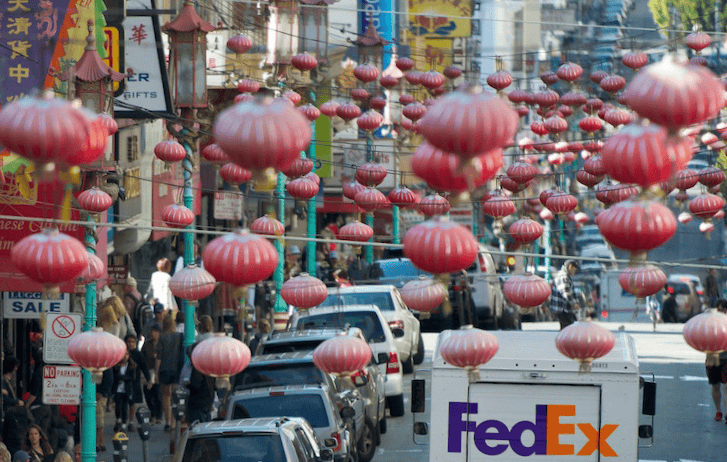
| 1 month before (Early to mid-January) |
|
| 1-2 weeks before (Late January to early February) |
|
|
Lunar New Year |
*Actual number of days may vary by year. |
| 1-4 weeks after (Late February to mid-March) |
|
How to avoid shipping delays during the Lunar New Year
Delays can be costly, but you can minimize them by planning ahead and working closely with your suppliers and logistics providers. Here are six practical strategies to keep your operations on track.
1. Stock up on inventory
Higher stock levels of critical inventory can buffer you from manufacturing or logistics delays during the Lunar New Year. Where possible, start ordering stock at least three to four months in advance.
To determine how much inventory you should stock up on, look at your sales data. Review your Q1 data from previous years to forecast customer demand during this season. Focus on two key categories: top-performing products and seasonal items tied to upcoming events, such as Valentine’s Day or Ramadan.
Keep in mind that factories and shipping providers may take up to a month to resume full capacity after the holiday. This means you need to build a buffer of three to four weeks’ inventory, rather than just one week. It’s often safer and more cost-effective to hold slightly more stock than to risk a stockout.
2. Coordinate with your suppliers
While many countries declare public holidays for the Lunar New Year, your suppliers may plan to stop work earlier or reopen later than the official dates. Check with each supplier to confirm their closure and reopening timelines, production slots, and contingency plans for urgent orders.
Use this checklist of critical questions:
- When is your last production day before the holiday closure?
- What’s your cut-off date for accepting new orders?
- When will you resume operations?
- Do you have contingency plans for urgent issues during the closure?
- Is there an emergency contact we can reach during the closure?
If your supplier operates in multiple countries, including locations outside Asia, consider asking if another facility can temporarily fulfill your production needs during the holidays.
3. Work closely with your logistics provider
An experienced logistics provider can help you navigate the complexities of Lunar New Year shipping. First, discuss your shipping requirements with them, including shipment cut-off dates, rate changes, and any potential delays or challenges.
With a clear view of shipping timelines, you can book space early and get ahead of peak-season demand. FedEx, for instance, allows customers to book shipments up to seven days in advance. If you expect last-minute or urgent shipments, discuss contingency plans with your logistics provider to ensure smooth delivery.
4. Diversify your shipping options
As shipping demand spikes and capacity tightens, you may face delays in receiving or delivering goods. Choosing alternative shipping modes can help your business stay on schedule and ensure the timely delivery of critical items.
For example, air freight can move time-sensitive or high-value goods quickly and flexibly. At FedEx, you can ship goods in 1 to 3 business days with FedEx International Priority Freight, allowing you to respond to seasonal demand and reduce the risk of costly stockouts during the peak period.
5. Budget for unexpected costs
Managing Lunar New Year shipping delays often incurs additional expenses. Higher rates for expedited shipments, air freight for time-sensitive deliveries, extra warehouse space to hold stockpiled inventory, and overtime pay for staff are all costs you should plan for.
An emergency fund can help you absorb these short-term cost increases and provide peace of mind, allowing you to make efficient decisions under pressure. Set aside a contingency budget of around 20% above your average operating costs to cover these added expenses.
6. Take advantage of last-minute discounts
Even with careful planning, you may find yourself having to ship goods on short notice during this busy season. Shipping space is often limited during the pre-Lunar New Year rush, but it’s worth checking with your logistics provider for extra capacity and last-minute rates.
For example, FedEx offers last-minute discounts of up to 80% for heavy shipments weighing 21 kg and above, depending on the day’s availability. This allows you to save on shipping costs and avoid delays.
Turn Lunar New Year stress into success
Supply chain challenges during the festive season are inevitable, but you don’t need to let them derail your business. Strategic planning enables you to safeguard your operations and stay ahead of delays.
At FedEx, we’re ready to help businesses navigate potential pitfalls during peak seasons. Our experienced team can offer guidance on planning your Lunar New Year logistics schedule, streamlining customs clearance, and identifying the best route forward when plans change. With the right support, your business can stay focused on success, not stress.
***
Learn more about our shipping services here.
SHARE THIS STORY



Trending Topics
Most Popular
- 85% Of APAC Businesses Plan To Expand Into Europe, According To New FedEx Report
- Generative AI: A New Frontier
- How To Ship A Giant Panda
- The Rise Of Intra-Asia Trade: Opportunities In The China-Southeast Asia Corridor
- Where Do Old Planes Go When They Retire?
- What’s So Dangerous About Coconuts? Your Guide To Dangerous Goods Logistics

Sign up now and save on your shipping rates!
Sign up now and earn discounts by shipping instantly with FedEx Ship ManagerTM at fedex.com.
Recommended For You

How To Streamline E-Commerce Delivery: 5 Proven Strategies For Small Businesses
From automation to cross-border shipping, here’s how small businesses can streamline e-commerce delivery and scale globally with fewer headaches.
Read More
7 Holiday Shipping Tips To Reduce Delays And Impress Customers
Are you ready for the holiday rush? Here’s how you can keep your holiday e-commerce shipping on track.
Read More
Maximize Your Holiday Sales With These Year-End Sales Strategies
With the year-end fast approaching, here’s how to seize these festive season sales opportunities.
Read More