

How To Pitch To Investors: Ficus Capital Co-Founder Rina Neoh Shares Her Insider Insights
Hoping to secure venture capital for your startup? Rina Neoh, co-founder of Ficus Capital, shares her insider tips for pitching to investors.
Read More
Behind Every Comfortable Step: How An Indonesian Footwear Brand Manages A Global Supply Chain
Learn how Indonesian footwear brand Bocorocco relies on FedEx to import quality materials and keep its global supply chain on track.
Read More
MSDS And SDS Explained: How To Prepare A Safety Data Sheet For Shipping
A material safety data sheet (MSDS), also known as an SDS, is essential for dangerous goods shipping. Here’s how you can prepare one.
Read More
From Korea To Vietnam: Why The AI Supply Chain Is Increasingly Intra-Asian
Intra-Asia trade is reshaping the global AI supply chain. Here’s what AI and semiconductor businesses in Asia need to drive the next phase of growth.
Read More
From Custom Orders to Global Customers: How RACETOP PRINT Scaled Cost-Effectively With Cross-Border Logistics
Learn how RACETOP PRINT delivers mass personalization to global customers at lower cost and complexity with FedEx’s cross-border logistics solutions.
Read More
Multi-Shoring: How Businesses Are Diversifying Production Across Multiple Markets
Explore how a multi-shoring strategy can help you enhance supply chain resilience, diversify sourcing, and manage concentration risk across markets.
Read More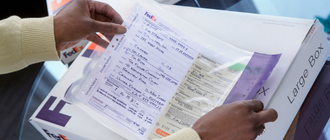
Customs Compliance Is More Complex Than Ever. Can AI Assistants Help?
Discover how AI assistants can help your SME strengthen customs compliance, reduce errors, and navigate changing cross-border trade requirements.
Read More
How To Ship Wine Internationally: A Guide To Customs Compliance, Costs, Cold Chain, And More
Shipping wine internationally? Here’s everything you need to know, including customs compliance, packaging, costs, and cold chain logistics.
Read More
The Logistics Behind Hyperscaler Speed: Air Freight For AI Infrastructure
Discover how air freight and high-touch logistics help hyperscalers move AI hardware from APAC manufacturing hubs to global data centers.
Read MoreTrending Topics

Sign up now and save up to 55%* off your international shipping rates!
Sign up a FedEx corporate account now, enjoy up to 55% off international shipping, plus chances to receive extra international shipping rewards!
Most Popular

The Rise Of Intra-Asia Trade: Opportunities In The China-Southeast Asia Corridor
Emerging trade lanes in Asia present possibilities for businesses of all sizes, particularly APAC SMEs looking for international trade opportunities.
Read More
85% Of APAC Businesses Plan To Expand Into Europe, According To New FedEx Report
Download FedEx’s new Asia-Europe Trade Report to uncover the latest market trends and opportunities shaping cross-border growth.
Read More
Generative AI: A New Frontier
The applications for genAI seem limitless. See how small businesses are using genAI for efficiency, digital transformation and growth.
Read More
How To Ship A Giant Panda
As part of our expertise in shipping live animals and rescuing wildlife in need, FedEx has transported over 20 giant pandas in Panda Express planes.
Read More
What’s So Dangerous About Coconuts? Your Guide To Dangerous Goods Logistics
Every country has strict regulations for dangerous goods logistics. Did you know that dried coconut, thermometers, and perfumes are dangerous goods?
Read More
Where Do Old Planes Go When They Retire?
A one-of-a-kind aircraft is jetting around the world as a flying hospital, bringing access to quality eye care to underserved communities globally.
Read More
Air Freight: Everything you need to know

How Thailand’s Logistics Hub Is Shaping The Future Of Freight And Cross-Border Trade
See how Thailand’s logistics hub drives growth by expanding cross-border trade through logistics innovation and digital transformation.
Read More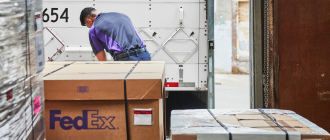
Freight Forwarding 101: An All-In Guide For APAC Businesses
Learn about freight forwarding services, how they work, and why they matter. See how SMEs in APAC can simplify global shipping with expert help.
Read More
Air Freight 101: What You Need To Know About Freight Shipping
New to air freight shipping? Here’s everything you need to know to deliver large volumes of goods faster and smarter to international markets.
Read More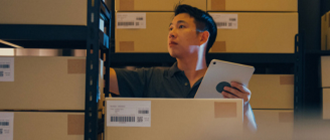
How To Make Freight Shipments Work For Your Small Business
Your next bulk shipment might qualify for freight. Here are our top five tips for freight shipping as a small business.
Read More
What’s Moving The Cargo Aviation Industry In 2024?
Air cargo demand is on the rise. Asia Pacific contains some of the world’s biggest trade lanes, with the e-commerce boom stoking demand.
Read More
Air Freight Vs Sea Freight: What’s Right For Your Business?
Learn how to choose between air freight and sea freight for international shipping, with tips for SMEs on cost, speed, reliability, and more.
Read MoreYour guide to expanding to Europe

Why Europe Is The Next Runway For Asia’s Luxury Brands To Grow
Fueled by changing consumer trends, Asian luxury brands are making waves in Europe. Here’s how this opens up growth opportunities for your brand.
Read More
85% Of APAC Businesses Plan To Expand Into Europe, According To New FedEx Report
Download FedEx’s new Asia-Europe Trade Report to uncover the latest market trends and opportunities shaping cross-border growth.
Read More
Expanding To Europe? Here’s How FTAs Can Open Doors For APAC Businesses
If you’re expanding your business from APAC to Europe, free trade agreements can help open doors. Here’s your guide to FTAs between the two regions.
Read More
From Asia To Europe: How To Grow Your E-Commerce Brand Across Borders
With rising e-commerce demand and reliable cross-border shipping, Europe offers massive potential for Asian SMEs to grow. Here’s how to get started.
Read More
The Rise Of Asia-Europe Trade – And What It Means For APAC SMEs
Get ready to tap into growing European demand for Asian exports. Explore successful cross-border shipping strategies and how to decode market trends.
Read MoreIntra-Asia trade, explained

Intra-Asia Trade: 5 Reasons Why SMEs Should Look Closer To Home
Thinking of expanding overseas? Here are five reasons why you should consider intra-Asia trade as a springboard for your global expansion.
Read More
The Rise Of Intra-Asia Trade: Opportunities In The China-Southeast Asia Corridor
Emerging trade lanes in Asia present possibilities for businesses of all sizes, particularly APAC SMEs looking for international trade opportunities.
Read More
How To Expand Your E-Commerce Business In 5 Key Steps
A successful market expansion strategy relies on meticulous research into market complexities, customer demand and operational readiness.
Read More
Going Bananas For Durian: Vietnam’s Role As A Leading Fruit Exporter
A leading fruit exporter in Southeast Asia, Vietnam is driving innovation in cold-chain logistics through its agriculture trade to meet buyer demand.
Read More
Vietnam Is Unlocking The Potential Of Intra-Asia Trade
Intra-Asia trade is reshaping global commerce, with Vietnam as a critical hub connecting Southeast Asia’s manufacturing hotspots to global markets.
Read More
Southeast Asia: The Next Manufacturing Powerhouse?
Vietnam is part of a growing number of production and supply hubs in Southeast Asia. We explore what makes Vietnam successful.
Read MoreSME
How To Pitch To Investors: Ficus Capital Co-Founder Rina Neoh Shares Her Insider Insights
Hoping to secure venture capital for your startup? Rina Neoh, co-founder of Ficus Capital, shares her insider tips for pitching to investors.
Read More
Behind Every Comfortable Step: How An Indonesian Footwear Brand Manages A Global Supply Chain
Learn how Indonesian footwear brand Bocorocco relies on FedEx to import quality materials and keep its global supply chain on track.
Read More
MSDS And SDS Explained: How To Prepare A Safety Data Sheet For Shipping
A material safety data sheet (MSDS), also known as an SDS, is essential for dangerous goods shipping. Here’s how you can prepare one.
Read MoreE-Commerce
Behind Every Comfortable Step: How An Indonesian Footwear Brand Manages A Global Supply Chain
Learn how Indonesian footwear brand Bocorocco relies on FedEx to import quality materials and keep its global supply chain on track.
Read More
Japan Proxy Shopping: How Japanese Businesses Can Reach Global Shoppers
Discover how Japan proxy shopping helps Japanese SMEs reach overseas customers, while managing cross-border shipping, customs, packaging, and delivery
Read More
De Minimis Exemptions Are Changing: What SMEs Need To Know
De minimis exemptions are changing worldwide. Learn what new US and EU rules mean for cross-border SMEs and how to adapt.
Read MoreHealthcare

Powering A Resilient Healthcare Technology Supply Chain From Europe To China
Learn how a global healthtech leader strengthened its supply chain from Europe to China with medical device logistics and flexible shipping solutions.
Read More
Inside Japan’s Next Wave of Healthcare Innovations And Eldercare Technologies
Discover how Japan’s healthcare innovations are creating global opportunities, and why logistics is essential to exporting medical tech worldwide.
Read More
Managing Healthcare Supply Chain Risk In A World Of Constant Disruption
From extreme weather to geopolitical events, healthcare firms face an evolving set of supply chain risks. Here's how you can get ahead of them.
Read MoreTech & Innovation
From Korea To Vietnam: Why The AI Supply Chain Is Increasingly Intra-Asian
Intra-Asia trade is reshaping the global AI supply chain. Here’s what AI and semiconductor businesses in Asia need to drive the next phase of growth.
Read More
How Businesses Can Start To Build Circular Supply Chains With Smarter Logistics
Circular supply chains can help SMEs reduce waste and drive efficiency. Discover how your business can overcome the challenges of circular logistics.
Read More
Customs Compliance Is More Complex Than Ever. Can AI Assistants Help?
Discover how AI assistants can help your SME strengthen customs compliance, reduce errors, and navigate changing cross-border trade requirements.
Read MoreSustainability
How Businesses Can Start To Build Circular Supply Chains With Smarter Logistics
Circular supply chains can help SMEs reduce waste and drive efficiency. Discover how your business can overcome the challenges of circular logistics.
Read More
How A Sustainable Small Business Ships Globally From The Mountains Of Chiang Mai
Learn how SuperBee, a Chiang Mai-based sustainable SME known for its homemade beeswax food wraps, has driven global expansion with FedEx’s support.
Read More
Recycling Old Uniforms: How FedEx Is Reimagining Textile Waste
At FedEx, old uniforms are often recycled into a range of sustainable products. Discover some of our creative uniform recycling efforts.
Read MorePeople & Culture

9 In 10 APAC Youth Perceive A Gap Between Education And Employer Expectations: FedEx/Junior Achievement (JA) Study
How can we equip APAC youth with future-ready skills? Discover key insights from a new study, commissioned by FedEx and Junior Achievement.
Read More
What’s It Like To Be A Woman In Logistics? 4 FedEx Team Members Share Their Journeys
Curious about starting a career in logistics? Hear from 4 team members of FedEx Australia who are thriving as women in logistics.
Read More
5 Impactful Strategies For SMEs To Build Diversity, Equity, And Inclusion
Diversity, equity, and inclusion can give SMEs a competitive edge. Explore 5 strategies from social enterprise ila to kickstart your DE&I initiatives.
Read MoreSustainability in Asia Pacific
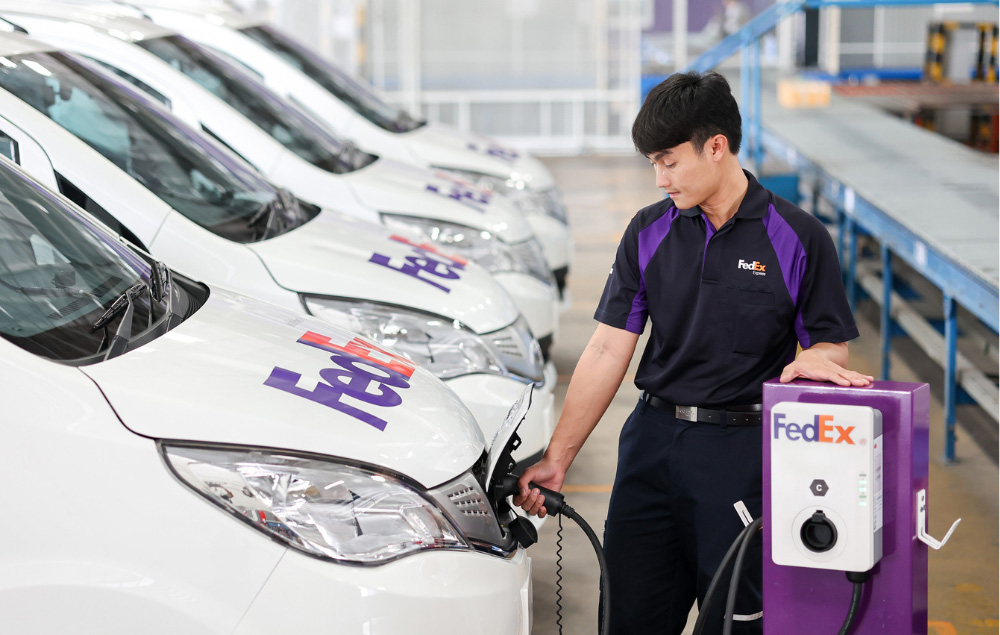
Check out our sustainability initiatives
Across Asia Pacific, we are working towards reducing carbon emissions in our operations, innovating with sustainability-focused digital solutions, and contributing to conservation activities in our local communities.