
Cold Chain Logistics Explained
Published: June 17, 2026
Overview
Whether you are shipping fresh produce or life-saving pharmaceuticals, success in cold chain logistics requires immediate action before the courier even arrives. Prepare your packaging, choose between active or passive cooling based on your required temperature range, and use real-time temperature monitoring to protect perishable goods from border delays or spoilage.
Here's what you'll find on this page:
What is cold chain logistics?
Cold chain logistics is a temperature-controlled segment of supply chain management responsible for storing, transporting, and monitoring sensitive goods within defined temperature ranges from origin to destination.
Uninterrupted temperature control is important for maintaining product integrity, ensuring consumer safety, and meeting regulatory compliance.
Typical temperature ranges for cold chain logistics include:
| Temperature classification | Temperature range | Common uses and products | Examples of wow temperature is typically maintained |
|---|---|---|---|
| Deep frozen | -150°C to -195°C | Highly sensitive, perishable, or hazardous materials including biological samples and pharmaceuticals | Liquid nitrogen or specialized dry vapor technology |
| Frozen | -10° to -25° | Frozen foods, specific biological samples, and self-reactive chemicals | Dry ice or specialized Phase Change Materials (PCMs) |
| Chilled / refrigerated | 2°C to 8°C | Vaccines, clinical samples, fresh produce, meats, and dairy | Cold packs, chilled boxes, specialized containers, and refrigerated units or trucks known as reefers |
| Controlled room temperature (CRT) | 15°C to 25°C | Standard pharmaceuticals and ambient-temperature biotech, food, and healthcare products | Thermal blankets and specialized insulated containers |
*Please note that use cases and cold chain techniques listed are examples only. Please refer to specific industry and product guidelines and regulations for your shipments.

Further reading: What Is a Cold Chain?
Cold chain management vs cold chain logistics vs cold chain transport
While often used interchangeably, the terms cold chain management, cold chain logistics, and cold chain transport represent different overlapping functions within the supply chain.
| Term | Function |
|---|---|
| Cold chain management | The management and oversight of cold chain logistics and transport, including governance, risk mitigation, and compliance controls to ensure appropriate temperature control and product stability. |
| Cold chain logistics | The physical execution of temperature-controlled storage, handling, and distribution activities. |
| Cold chain transport | The refrigerated movement of goods via air, road, or multimodal networks, ensuring temperature integrity during transit and at transfer points. |
How cold chain logistics works
The end-to-end cold chain logistics process includes several core steps:
-
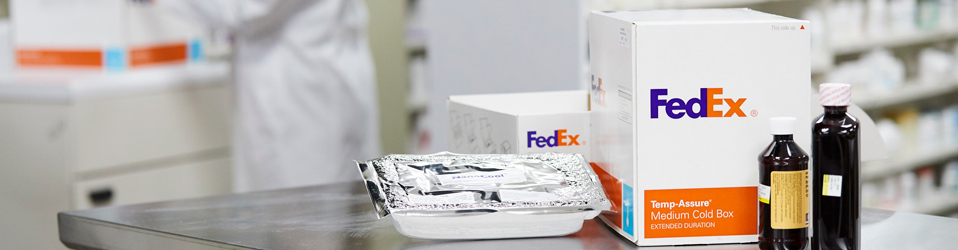
Pre-shipment preparation and packaging: Coolants like gel packs must be pre-conditioned and packaging properly assembled to protect perishable goods and other temperature-sensitive cargo. Standard packaging layers for temperature-controlled shipping include a coolant, an insulated foam container, a watertight plastic liner, and a corrugated outer box.
-
Cold storage staging: Products are sometimes transferred to a cold storage facility prior to dispatch. During this stage, active cooling systems are often used to ensure products are held at the required temperature.
-
Temperature-controlled transport: Goods are transported via air, road, or multimodal transport networks equipped with specialized equipment or refrigeration. Cold chain transport includes refrigerated trucks, trailers, or rail cars equipped with multiple compartments to hold different goods at different temperatures.
-
Real-time temperature monitoring: IoT sensors and battery-powered electronic devices known as data loggers are used to monitor sensitive shipment conditions like temperature, humidity, light, shock, and location in real-time. Proactive monitoring allows couriers to take action to prevent temperature excursion where products are exposed to temperatures outside of their recommended range.
-
Final delivery and verification: Upon arrival, the recipient verifies the product's condition and signs off on the chain of custody documentation. Packaging is reused, recycled, or appropriately disposed of.
Each step in this process relies on specific cold chain components, which are outlined below.
Core components of cold chain systems
Building a temperature-controlled supply chain relies on working with partners who can offer specialized equipment such as refrigerated units or reefer trucks, and provide rigorous quality checkpoints.
The primary building blocks of cold chain systems include:
-
Thermal packaging and insulation: The physical barrier protecting temperature-sensitive or perishable goods from external temperature spikes or temperature excursion.
-
Active vs passive cooling: Active cooling systems use powered refrigeration units for cold storage and temperature-controlled shipping, while passive cooling relies on insulated packaging combined with coolants like gel packs or dry ice.
-
Refrigerated vehicles (reefer transport): Trucks or cargo containers equipped with built-in refrigeration units for temperature-controlled shipping or cold chain transport over land or sea.
-
Real-time temperature monitoring using data loggers and IoT sensors: Sensor devices provide visibility into the exact temperature, humidity, and location of a package.
-
Quality checkpoints and chain of custody: Includes documentation to demonstrate compliance, including an audit trail of logged temperatures and photos or signatures to verify handling and condition of shipment upon delivery.
Industries that rely on cold chain logistics
Businesses from a range of industries use cold chain logistics to safely scale their operations across local, regional, and global markets. Industries that commonly rely on cold chain logistics include food and perishable goods, chemicals and speciality materials, and pharmaceutical, healthcare, and biotech.
Industries reliant on cold chain logistics:
-
Food and perishable goods: Reliable cold chain logistics reduces spoilage and waste for fresh produce, meats, and dairy. Temperature-controlled shipping also helps prevent the growth of bacteria that cause foodborne illnesses.
-
Chemicals and specialty materials: Many high-performance resins or self-reactive substances require strict temperature control. If these materials become too warm during transit, they can undergo dangerous reactions.
-
Pharmaceutical logistics and biotech: This is the most strictly regulated sector. Biologics such as vaccines, blood samples, and insulin are incredibly sensitive, and a temperature change of just a few degrees can impact their efficacy. Pharmaceutical and healthcare solution providers also rely on cold chain logistics to safely transport medicines and medical devices while maintaining compliance with Good Distribution Practice (GDP) standards.
Compliance and operational challenges
Effective cold chain management requires proactive oversight and governance to manage risks such as transit delays to ensure product safety and compliance.
One of the biggest threats to sensitive goods is a temperature excursion, or deviation outside the required limits. This is frequently caused by unexpected transit delays, prolonged border customs inspections, or infrastructure variability in developing regions.
Most global health authorities require adherence to GDP standards. Shippers must validate their processes and provide detailed temperature logs or chain of custody documentation to ensure compliance.
Case study: Korea-based Boryung BioPharma relies on cold chain logistics for breakthrough innovation
Boryung BioPharma has been a first-mover in recognizing the strategic importance of end-to-end clinical logistics and reliable cold chain capabilities. A leading biotechnology company from South Korea, Boryung BioPharma specializes in vaccine development and distribution, cord blood banking, genomic diagnostics, and immunotherapy for allergic diseases. All of these fields rely on cold chain integrity to keep biological materials intact, from stem cells to DNA samples.
To transport its sensitive healthcare materials swiftly and safely, Boryung BioPharma has been working closely with FedEx since 2016.
Over the years, FedEx has become a trusted partner in managing the company’s complex logistics needs and reducing supply chain risk. One clear example of this collaboration in action is the transport of maternal blood samples. These samples must be collected during pregnancy and sent to laboratories for health screening. Even minor delays or environmental fluctuations during shipping can affect diagnostic accuracy, making precise temperature control and careful handling absolutely critical.
“Blood is extremely sensitive to temperature and shock,” said Sangyun Lee, the marketing manager of Boryung BioPharma. “We need to keep samples at room temperature between 15°C and 25°C throughout transit, while also protecting them from vibration and external impact. Delivery must also be completed within 24 hours to ensure accurate results. For more than a decade, FedEx has consistently delivered the level of service we rely on, helping us maintain diagnostic reliability for our customers and stay competitive in the market.”
Cold chain logistics within supply chain management
Cold chain logistics works best when it is woven seamlessly into your broader supply chain management strategy.
As perishable goods and sensitive shipments naturally have a limited shelf life, it is helpful to align your cold chain operations with inventory planning and demand forecasting. For example, by using data analytics and tracking tools that offer end-to-end visibility, you can better anticipate your customers' buying patterns and minimize waste and risk.
Additionally, building in risk diversification strategies—such as having a contingency shipping plan or using a logistics provider's shared infrastructure—can give you peace of mind.
How FedEx supports cold chain logistics
As one of the world's largest express transportation companies, FedEx Express provides fast and reliable delivery to more than 220 countries and territories. With our extensive global air-and-ground network and in-house monitoring capabilities, we can help safeguard the integrity of your shipments and offer time-definite delivery.
Core cold chain capabilities and services include:
FedEx Cold Chain Solutions: Includes packaging and temperature-controlled physical infrastructure to safeguard the integrity of cold chain shipments.
FedEx Healthcare Logistics: End-to-end services designed for highly sensitive medical shipments, featuring priority handling, documented quality controls, and contingency management.
Time-sensitive services: FedEx International First®, FedEx International Priority® Express, and FedEx International Priority® provide fast, time-definite shipping to minimize the duration temperature-sensitive goods spend in transit.
FedEx also provides near real-time information on shipments with FedEx Surround®, which uses SenseAware ID devices to track temperature and other data. If an unexpected transit delay occurs, logistics teams can proactively intervene to protect the integrity of goods until they can resume transit. This could involve replenishing dry ice or routing a package to a cold storage facility like FedEx Life Science Centre.

FAQ
What is cold chain logistics in shipping?
Cold chain logistics is an area of supply chain management dedicated to storing, transporting, and monitoring temperature-sensitive products.
What is the difference between cold chain logistics and cold chain management?
Cold chain logistics refers to the physical, tactical execution of moving and storing refrigerated goods, whereas cold chain management refers to the overarching strategy, governance, and compliance protocols used to mitigate risks.
What is cold chain transport?
Cold chain transport involves the physical movement or temperature-controlled shipping of items, using refrigerated trucks (reefer transport), active containers, and specialized aircraft.
How is temperature controlled during transit?
Temperature is controlled using highly insulated thermal packaging combined with either passive cooling (like dry ice, liquid nitrogen, or gel packs) or active cooling (battery-powered refrigeration units).
What products require cold chain logistics?
Cold chain logistics is required for perishable or temperature-sensitive items including fresh foods, pharmaceuticals such as medicines and vaccines, biologics, and specialty chemicals.
What happens if the cold chain breaks?
If a cold chain is broken, goods may spoil, lose their medical efficacy, or become dangerous. In regulated industries, broken cold chains can result in discarded shipments and associated financial losses.
What regulations apply to cold chain logistics?
Regulations for cold chain logistics vary by industry, country, and region and businesses should check with the relevant authorities when shipping hazardous or perishable goods. Regulations relating to the transport of food include the US Food and Drug Administration's Food Safety Modernization Act (FDA FSMA) and the internationally recognized Hazard Analysis Critical Control Point (HACCP) standards.
Pharmaceutical logistics are often regulated by the Good Distribution Practice (GDP) which was developed by the World Health Organization (WHO) and the European Economic Community (EEC). The standard has been broadly adopted across Asia Pacific, with GDP compliance common in Australia, Malaysia, Singapore, and Thailand.
Other popular regulations include the International Air Transport Association's Dangerous Goods Regulations (IATA DGR), which govern the shipping of hazardous goods by air.
How do monitoring technologies prevent temperature excursions?
Data loggers and real-time IoT sensors like FedEx SenseAware used by FedEx Surround® track the shipment’s internal environment. If temperatures begin to rise, the system triggers alerts, allowing logistics teams to intervene with proactive measures like re-icing before the products are damaged.
More from Small Business Center

Supply Chain Management: Guide for small businesses
Discover the ultimate guide to mastering supply chain management tailored specifically for small businesses.

Future-proof your supply chain: A guide to China Plus N
Explore opportunities in Vietnam, Thailand, Malaysia, and more for a resilient supply chain.