
Digital solutions
Blog
2026 Logistics industry trends: What brands should know and how they can keep up
Following a year of volatile trade policies, climate-driven disruptions, and evolving customer expectations, logistics leaders are entering 2026 with little room for missteps. As customer demand cycles shorten and extreme weather events intensify, the pace of change is exceeding logistics teams’ planning abilities. As a result, teams are forced to make routing decisions with less lead time and manage more exceptions as conditions evolve.

Navigating what comes next requires new strategies and greater agility, made possible by better data and shipment visibility.
As 2026 unfolds, four key trends are reshaping the future of logistics, offering both challenges and opportunities for brands ready to adapt.

- Ongoing disruptions caused by trade shifts, severe weather, and supply shortages are pushing companies to prioritize flexibility and resilience.
- Security threats like return fraud are growing, making investments in traceability more critical than ever.
- Organizations that combine accurate data, strong processes, and the right digital solutions will be best positioned to succeed in 2026.
4 top logistics industry trends for 2026
The shifts shaping 2026 are already playing out on the ground, influencing how teams pilot new technologies, support end customers, and respond to unexpected disruptions across their networks.
The following four trends illustrate where these shifts are becoming most impactful for logistics and operations teams.
- AI pilots multiply in logistics operations
AI continues to gain real traction in logistics, with pilots under way for use cases like digital twin simulations and automated contract analysis. Yet, only about 5% of organizations across sectors say their AI investments have delivered real value, according to Boston Consulting Group.
Why? Because many organizations skip the groundwork required for effective AI. Without clean data and integrated workflows, even the most promising AI tools struggle to deliver results at scale. - The consumer’s role in the supply chain is expanding
Today’s consumers are active participants in the supply chain, not just endpoints. For example, direct-to-consumer delivery is growing with medications like weight loss treatments often shipped straight to patients.
As customers handle more logistics-related responsibilities (e.g., tracking shipments, managing returns, and coordinating pickups), their role in the supply chain is expanding. And they expect the same speed, transparency, and clarity they enjoy in ecommerce and other consumer-facing services. For example, customers now expect near-real-time tracking and reliable return verification as baseline requirements.
This shift is raising the bar for speed and visibility across the entire supply chain, putting pressure on logistics teams to deliver consumer‑grade experiences in B2B and healthcare environments. - Constant disruption fuels demand for speed and flexibility
From winter storms along the Gulf Coast that halted freight movement to global trade tensions that lengthened lead times and disrupted cross-border shipping, supply chains endured major disruptions in 2025 — with no slowdown in sight.
Shifting trade policies, severe weather, and global economic volatility are driving more frequent and less predictable challenges, leaving logistics and operations teams with little time to react. At the same time, customer demand cycles are getting shorter. New products need to launch faster, and buyers expect shorter lead times. These compounding pressures are reshaping how logistics and operations teams function.
When a key port is backlogged due to customs delays or wildfires halt operations near a major distribution center, there’s no time for contingency planning. Teams need contingency plans already in place to help them reroute shipments, rework sourcing strategies, and maintain service levels when plans go off track. - Return fraud highlights ongoing visibility gaps
Return fraud remains a serious threat heading into 2026, especially in sensitive sectors like medical devices and pharmaceuticals. Even minor lapses in visibility during the return process can allow counterfeit, damaged, or improperly handled products to re-enter the supply chain, creating compliance challenges and jeopardizing patient safety.
Fraudulent returns also add operational friction, increasing exceptions, and undermining the efficiency of core returns and fulfillment processes.
The tactics behind return fraud are becoming more varied. Bad actors may falsify return details, send back incorrect products or empty packages, or attempt to skirt standard verification protocols. While these tactics aren’t new, their persistence is forcing organizations to reevaluate the accuracy and traceability of the data guiding their returns workflows.
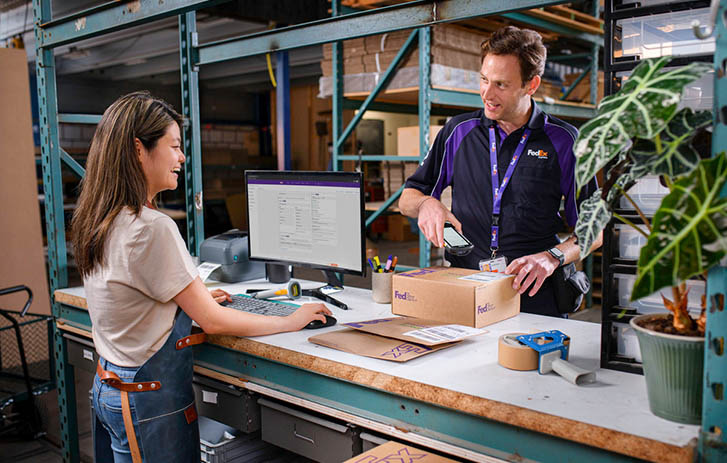

Keeping pace with the 2026 logistics landscape will require agility, resilience, and strategic use of data. Here are five ways to help your business stay ahead as the industry evolves.
- Get to know your customers
Use direct feedback and customer data to identify what matters most to your customers, like near real-time order tracking, eco-friendly shipping, or flexible delivery options. Build these priorities into your logistics experience and revisit them routinely to stay ahead of evolving expectations. - Prioritize clean, connected data
Your supply chain is only as strong as the quality of the data guiding it. Build accuracy into your team’s daily routine by incorporating quick checks, e.g., reviewing scan logs at each handoff or flagging inventory discrepancies.
Connect digital systems like your transportation management system (TMS) with physical data from sensors and barcode scans. Clean, connected data lets you spot issues quickly, track product movement, and give customers more reliable updates. - Invest in people and processes
Technology like AI only creates value when teams are trained and processes are clearly defined. Make upskilling and change management an ongoing priority. As you pilot new tools, make sure staff can interpret results, flag issues, and adapt workflows to capture the full benefits. - Rethink your supply chain design
Flexible supply chains don’t happen by accident. To remain agile, diversify your suppliers, create action plans for rerouting shipments, and set up regional backup options for distribution and fulfillment where possible.
Additionally, design your supply chain with audit readiness and authentication in mind by keeping detailed records of key decisions, shipment routes, and handoffs. - Equip teams with the right tools
User-friendly technology is critical when speed and complexity are the expectation. Equip your teams with digital tools that bring together all relevant data and make cross-functional collaboration seamless.
The right tools can enable your team to solve problems proactively and keep operations running smoothly, even under pressure.
Make 2026 your most resilient year yet
Logistics is evolving rapidly, but companies that rethink supply chain strategy, adopt smarter tools, and stay laser-focused on customer needs will be better positioned for whatever 2026 delivers.
By building agility, visibility, and resilience into your operations now, you can turn today’s trends into tomorrow’s wins.
Ready to navigate 2026 with confidence?
We're here to explain everything you need