
Digital solutions
Blog
Automotive Supply Chain Disruption: How to Stay Ahead
In the automotive industry, supply chain disruptions can quickly cascade into operational setbacks that undermine customer trust, inflate costs and challenge competitive edge.

For suppliers racing to meet tight delivery deadlines, dealers managing rising customer expectations and distributors ensuring high-demand parts stay in stock, flawless execution is essential. But as supply chains grow more complex and less forgiving, even minor issues can escalate into major challenges.
To stay ahead of the risks, many automotive companies are investing in digital tools and forward-looking strategies to enhance supply chain visibility and respond faster when disruptions occur.

- Automotive supply chain disruptions can stem from internal issues like inventory mismanagement or system failures as well as external factors such as supplier delays or extreme weather.
- Siloed systems and manual workflows can delay issue detection and slow response times, allowing disruptions to snowball and impact downstream operations.
- Digital logistics tools provide end-to-end shipping visibility and enable quicker, more coordinated responses to keep operations running smoothly.
What is automotive supply chain disruption?
Automotive supply chain disruption refers to any event that interrupts the flow of automotive parts, vehicles or essential information throughout the supply chain.
Without visibility into operations or the ability to plan for contingencies, small issues can turn into much larger disruptions.
Disruptions generally fall into two categories:
- Internal disruptions
Issues that emerge in daily operations can lead to immediate setbacks. For example:
- Lost or mislabeled parts may halt production and disrupt schedules, especially for original equipment manufacturers (OEMs) that depend on precise part flows.
- System outages can obscure the status of shipments or inventory, making it difficult to locate materials.
- Communication gaps may cause confusion or duplicate work, slowing down operations.
- External disruptions
External disruptions occur beyond a company’s direct control and can impact multiple points along the supply chain. For example:
- Severe weather events or natural disasters can delay transportation or shut down facilities, affecting inbound parts for OEMs or outgoing shipments for dealers.
- Supplier delays or inventory shortages may disrupt part availability and create bottlenecks for Tier 1 (direct-to-OEM) suppliers and Tier 2 (sub-component) suppliers.
- Regulatory changes or market shifts might require companies to quickly adjust production and logistics strategies.
In the automotive industry, production schedules are tightly coordinated across multiple partners, which means a single disruption can set off a cascade of delays.
For example, if a key component is delayed in transit, OEMs may be forced to halt production lines, disrupting suppliers’ schedules and leaving dealers without the new vehicles or replacement parts they need to meet customer demand.
The result is underutilized equipment and labor, broken commitments to business partners and lost sales or disappointed customers.
How gaps in visibility escalate supply chain disruptions
While disruptions challenge any automotive business, the impact is far greater for teams that lack visibility into their logistics and supply chain operations. These gaps persist because many organizations still depend on manual processes or siloed systems that don’t communicate, making it difficult to spot problems before they escalate.
For example, some legacy data feeds lack timely updates, while disconnected inventory platforms make it nearly impossible to pinpoint the location or arrival time of critical materials. Without near-real-time visibility, teams are left in the dark about where shipments are or how long a delay will last.
As a result, automotive supply chain and operations teams lose valuable time reacting to problems after they’ve already escalated. Minor disruptions snowball into production delays, strained customer relationships and hits to the bottom line.
That’s why end-to-end shipping visibility and seamless integration are must-haves for today’s automotive supply chains.

Supply chain disruptions may be inevitable, but extended downtime and lost revenue aren’t. Many logistics and operations leaders are embracing technology that makes their networks more agile and responsive.
Digital logistics solutions provide near-real-time visibility into every shipment. When disruptions arise, automated alerts deliver actionable insights to the right stakeholders, enabling teams to take targeted action, e.g., rerouting shipments, adjusting production schedules or coordinating with partners.
Modular logistics solutions integrate with existing systems, allowing teams to connect their shipment data, inventory systems and partner communications. This approach increases end-to-end visibility without disrupting current workflows.
Here’s how these solutions benefit various players in the automotive supply chain:
OEMs
Near-real-time visibility into every shipment gives OEMs a clear view of activity across the supply chain. Production teams can set up automated alerts that use webhooks to push near-real-time updates, enabling them to reshuffle assembly schedules, reallocate labor or line up alternative suppliers before a disruption halts assembly. Shipment-level insights also reveal recurring issues, like persistent delays from a specific supplier, so OEMs can adapt sourcing or logistics plans proactively.
Tier 1 and Tier 2 suppliers
Predictive Delivery Estimates (PDE) powered by shipment-level data give suppliers precise estimates of part arrivals before an order is placed. With this insight, suppliers can plan production and inventory more efficiently, allocate resources based on expected delivery windows and coordinate proactively with OEMs and downstream partners.
Dealers
Timely status updates on incoming shipments allow dealer teams to proactively communicate with customers about delivery timing and service appointments. This visibility helps dealers avoid overbooking and better manage on-lot inventory, improving both the customer experience and dealership efficiency.
Aftermarket providers
Branded Order Tracking gives aftermarket providers the ability to offer customers a clear, self-service view of order status, from initial shipment through final delivery. This transparency keeps buyers informed and reassured, minimizing WISMO requests and strengthening trust.
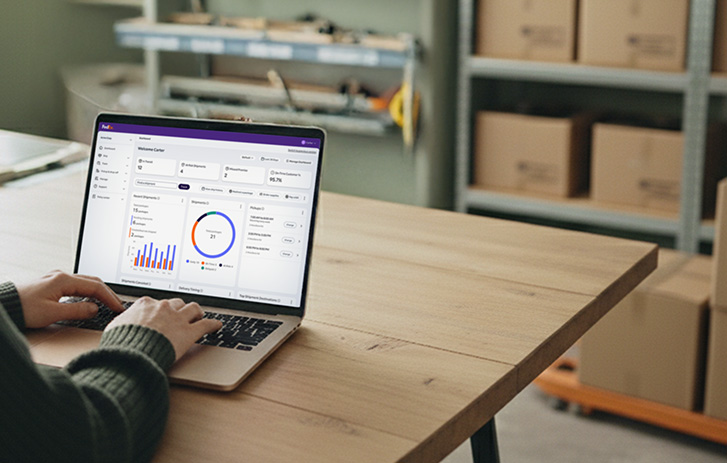
Drive automotive supply chain resilience with fdx
While disruption is inevitable in automotive supply chains, companies that can anticipate challenges and respond quickly may gain a competitive advantage. By planning ahead and leveraging the right digital tools, you can navigate the unexpected with confidence.
FedEx partners with automotive businesses across the value chain, delivering specialized digital solutions and operational expertise to help you stay prepared. With access to timely shipment-level data, proactive alerts and flexible logistics tools through fdx, your team can maintain control and minimize the impact of disruption.
Ready to strengthen your automotive supply chain resilience?
We're here to explain everything you need